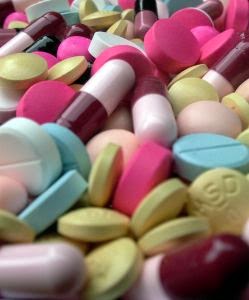
Cholesterol-boosting statins could be used to help protect unborn
babies from being impacted by their mother’s stress and thus reducing
the risk of that baby growing up with health problems later in their
life.
Statins are the most commonly prescribed treatment in the United
Kingdom, taken by approximately anywhere between 5 and 10 million
people, and estimated to cost the NHS around £500 million a year. They
are usually prescribed to lower the patient’s high cholesterol levels,
but scientists now believe they may also help protect the hearts of
babies in the womb.
Research conducted at Edinburgh University discovered that statins
helped counteract the negative effects brought on by stress hormones on
foetal growth and heart development in mice.
Those involved in the research into the drugs, claim that the therapy
may decrease the chances of babies being born underweight, and lower
their risk of suffering with health problems in later life, such as
heart disease.
Although the findings emanated from a study of mice, this may now
prompt further analysis into looking at the long-term effects of statins
during a woman’s pregnancy. However, researchers say the drugs are
currently already sometimes given to pregnant women and therefore should
be OK for clinical trials.
Professor Megan Holmes, from the University of Edinburgh, said:
“These are very exciting results suggesting that there may finally be a
potential therapy for women whose placenta is unable to maintain the
normal growth of her baby.
“At present there is no treatment and babies may be born prematurely
or small, and will be at greater risk of developing cardiovascular
disease, diabetes and even psychiatric disorders later in life.
“Although more work needs to be done to show statins are safe in
human pregnancy, these results show a new way forward for the major
unmet need of foetal growth retardation.”
Previous studies have shown babies are typically born under what is
considered a ‘normal’ weight, following exposure to high levels of
stress hormones within the womb, and have a much higher risk of heart
disease as they get older.
Usually, an unborn baby gets protection from a key enzyme generated
the placenta. The enzyme helps to destroy the stress hormones, reducing
the quantity of active hormones that can get to the baby’s blood supply.
If the mother is experiencing high levels of stress, the placenta
then produces less of the enzyme and the baby’s protection is reduced.
Therefore, the researchers involved in the latest study decided to
analyse mice that are unable to produce the enzyme as a model of
maternal stress. It was discovered that stress hormones prevent the
placenta from developing regular blood vessels, hindering the blood
supply to the foetus.
This stops the growing foetus from reaching a full size as a result, negatively impacting the heart function too.
However, researchers found that by treating the mother with the statin Pravastatin,
actually managed to trigger the production of a molecule called VEGF.
This worked at stimulating the development of blood vessels in the
placenta. Pravastatin is just one of numerous statins provided by
Medical Specialists® Pharmacy, which also includes atorvastatin and rosuvastatin.
The study – published in the journal Proceedings of the National Academy of Sciences
and was funded by the Wellcome Trust – found that by re-establishing
the blood supply, the treatment helped to promote a regular development
of the heart. In addition, the baby was able to grow to a healthy
birthweight.
Professor Jeremy Pearson, associate medical director at the British
Heart Foundation, said: “Low birthweight has been associated with
maternal stress, and babies with low birthweights may be more prone to
cardiovascular complications later in life.
“In this study the researchers have discovered that a drug called
Pravastatin may counteract the consequences of increased levels of the
stress hormone corticosterone within the placentas of mice.
“How Pravastatin counteracts the stress hormone is not yet
understood, therefore more research is needed to see whether the drug
will have the same effect in humans.”
Showing posts with label atorvastatin. Show all posts
Friday, 27 May 2016
Friday, 15 April 2016
Should more people be taking cholesterol-boosting statins?
Statins
are the most commonly prescribed type of medicine within the UK, taken
by millions of people to help lower their ‘bad’ low-density lipoprotein
(LDL) cholesterol levels in the blood.
A large proportion of people may only be prescribed statins on the basis of their future risk though, for instance if there is a chance of the person developing cardiovascular disease, if there is a strong family history of cardiovascular disease, or determined by the person’s age.
However, experts have warned that this is simply excluding a great number of people who may benefit from taking statins, which include atorvastatin, rosuvastatin, pravastatin and more. The warnings came as part of a study published in the American Heart Association’s journal, Circulation.
Scientists based at the McGill University Health Centre (MUHC) in Montreal, Canada, argue that actually younger people with high cholesterol levels should be prescribed too. They estimated that there at least 9.5 million lower-risk, young people who would benefit from statins that aren’t taking them at the moment.
Dr George Thanassoulis, director of preventative and genomic cardiology at MUHC, said: “Targeting statin treatment to this group would prevent an additional 266,000 heart attacks and strokes over 10 years.”
In determining who they thought would receive health benefits from statin therapy, the scientists studied data from 2,134 participants of the National Health and Nutrition Examination Survey, a nationally-representative US cohort that spanned from 2005 to 2010.
The survey comprised of around 71.8 million Americans who were deemed eligible for statins. Those involved in the study then used a 10-year risk based approach, in addition to an individualised benefit approach, comparing the two different ways of looking at eligibility for statins.
Dr Thanassoulis commented: “Using a benefit-based approach, we identified 9.5 million lower-risk Americans not currently eligible for statin treatment, who had the same or greater expected benefit from statins as higher-risk individuals.
“These individuals were lower-risk because they were younger but they also had higher levels of low-density lipoprotein cholesterol which we have known to be an important cause of heart disease.”
The study’s findings may lead to health professionals reconsidering who should be prescribed the cholesterol-boosting drugs, and possibly recommending that people previously thought of as too young to be at risk of a heart attack, should be eligible for them.
Dr Thanassoulis said: “Our analysis shows that they would benefit from treatment, even in the short term, and therefore should be eligible for statin treatment.”
The scientists involved in the study argue that this could help to prevent a large number of people suffering with cardiovascular disease in the future.
“For too many, the present approach starts too late; an earlier start will multiply the lives save,” Dr Thanassoulis added.
The next step for the team that undertook the study will be the creation of a web interface to enable other physicians to take advantage of the new calculation model, and hope their method will result in new guidelines being set on identifying people who could benefit from statins.
A large proportion of people may only be prescribed statins on the basis of their future risk though, for instance if there is a chance of the person developing cardiovascular disease, if there is a strong family history of cardiovascular disease, or determined by the person’s age.
However, experts have warned that this is simply excluding a great number of people who may benefit from taking statins, which include atorvastatin, rosuvastatin, pravastatin and more. The warnings came as part of a study published in the American Heart Association’s journal, Circulation.
Scientists based at the McGill University Health Centre (MUHC) in Montreal, Canada, argue that actually younger people with high cholesterol levels should be prescribed too. They estimated that there at least 9.5 million lower-risk, young people who would benefit from statins that aren’t taking them at the moment.
Dr George Thanassoulis, director of preventative and genomic cardiology at MUHC, said: “Targeting statin treatment to this group would prevent an additional 266,000 heart attacks and strokes over 10 years.”
In determining who they thought would receive health benefits from statin therapy, the scientists studied data from 2,134 participants of the National Health and Nutrition Examination Survey, a nationally-representative US cohort that spanned from 2005 to 2010.
The survey comprised of around 71.8 million Americans who were deemed eligible for statins. Those involved in the study then used a 10-year risk based approach, in addition to an individualised benefit approach, comparing the two different ways of looking at eligibility for statins.
Dr Thanassoulis commented: “Using a benefit-based approach, we identified 9.5 million lower-risk Americans not currently eligible for statin treatment, who had the same or greater expected benefit from statins as higher-risk individuals.
“These individuals were lower-risk because they were younger but they also had higher levels of low-density lipoprotein cholesterol which we have known to be an important cause of heart disease.”
The study’s findings may lead to health professionals reconsidering who should be prescribed the cholesterol-boosting drugs, and possibly recommending that people previously thought of as too young to be at risk of a heart attack, should be eligible for them.
Dr Thanassoulis said: “Our analysis shows that they would benefit from treatment, even in the short term, and therefore should be eligible for statin treatment.”
The scientists involved in the study argue that this could help to prevent a large number of people suffering with cardiovascular disease in the future.
“For too many, the present approach starts too late; an earlier start will multiply the lives save,” Dr Thanassoulis added.
The next step for the team that undertook the study will be the creation of a web interface to enable other physicians to take advantage of the new calculation model, and hope their method will result in new guidelines being set on identifying people who could benefit from statins.
Thursday, 8 October 2015
Don’t miss a beat! Get involved with October’s National Cholesterol Month
As a long-term provider of popular high-cholesterol treatments such as Lipitor and Crestor, Medical Specialists® Pharmacy
are proudly supporting October’s National Cholesterol Month 2015,
organised by the charity HEART UK to raise more awareness about what
cholesterol is, the often underestimated serious health risks associated
with high cholesterol, and what can be done to lower the low-density
lipoprotein (LDL) – also known as ‘bad cholesterol’.
What is cholesterol?
For those unaware of what cholesterol actually is, it is a fatty, waxy substance known as a ‘lipid’, located in all of the body’s cells. The body requires some cholesterol to produce hormones, vitamin D, and substances to aid food digestion, and will produce what it needs, but some of the food we eat also contains cholesterol.
Cholesterol travels through the bloodstream in small packages that go by the name of lipoproteins. The two main types of lipoprotein are:
. High-density lipoprotein (HDL) – HDL carries cholesterol away from the cells and back to the liver, where it’s either broken down or passed out of the body as a waste product. For this reason, HDL is referred to as ‘good cholesterol’ and higher levels are better.
. Low-density lipoprotein (LDL) – LDL carries cholesterol to the cells that need it. If there’s too much cholesterol for the cells to use, it can build up in the artery walls, leading to disease of the arteries. For this reason, LDL is known as ‘bad cholesterol’.
High cholesterol – i.e. high levels of the bad LDL cholesterol – itself will not usually cause any symptoms, but it increases a person’s risk of serious health problems.
For example, plenty of evidence shows that high cholesterol can raise the risk of suffering with heart attack, heart disease, stroke, narrowing of the arteries (atherosclerosis), transient ischaemic attack (known as a ‘mini-stroke’) and peripheral arterial disease.
These risks are due to the fact cholesterol accumulate within the artery wall, reducing blood flow to the heart, brain and other areas of the body. In addition, the risk of a blood clot is also increased with high cholesterol.
What causes high cholesterol?
There are a number of contributing factors to a person having high blood cholesterol, some lifestyle choices, others being related to underlying conditions and there is also a risk if there has been a family history of such problems.
Lifestyle choices that can cause high cholesterol include a lack of exercise or physical activity, drinking too much alcohol, having a diet high in saturated fat and being a smoker. People with diabetes or high blood pressure usually also have high cholesterol.
Highlighting the risks of ‘The Silent Killer’ high cholesterol is imperative for HEART UK during National Cholesterol Month for many reasons, but one of those is to educate people about a condition many will not be aware of, but can be deadly – Familial hypercholesterolaemia (often shortened to FH).
FH is inherited, passed on by one of your parents and can cause incredibly high levels of cholesterol. Those with FH have high cholesterol levels from birth, whereas most people’s cholesterol increases with age and could be 50, 60 or 70 years of age before their cholesterol is deemed to be at a level linked to an increased risk of major heart problems.
Some people may never display any symptoms, but the common signs of FH are lumps and bumps around the knuckles or Achilles tendon (due to cholesterol deposits), yellow cholesterol build-up around the eyes and eyelids, or a pale ring around the iris.
If, after going to the doctor for a cholesterol check and it is found to be significantly high, the doctor may refer the patient to a specialist for an assessment if he or she believes that patient has FH, which could include gene tests. The specialist will then explain which family members need to be assessed too and medication will likely be required, as healthy lifestyle choices alone are not enough to reduce cholesterol for anyone with FH.
Treating high cholesterol
Adhering to a healthy diet that is low in saturated fat and engaging in regular exercise to maintain a healthy weight/BMI can lower the level of cholesterol in the blood, or prevent cholesterol levels being too high to begin with. The higher the cholesterol level, the higher the risk of stroke or heart disease and therefore the overall risk of having a heart attack.
Statin medication available today from Medical Specialists®, such as Atorvastatin, Pravastatin or Rosuvastatin, work to lower the LDL (‘bad’) cholesterol and raise the HDL (‘good’) cholesterol. Statins may be prescribed to certain people with risk factors for heart conditions, such as those with high cholesterol or high blood pressure, older patients, smokers, or those with family history of early heart disease. Between eight and ten million Britons take statins, making them the most widely prescribed drugs across the UK.
Get involved with National Cholesterol Month
HEART UK are providing expert, independent advice on statins and other cholesterol treatments, in addition to campaigning for improved detection of those at risk of high cholesterol and offering training for health professionals.
National Cholesterol Month 2014 was a roaring success, with more than £25,000 raised, but HEART UK are hoping to smash this amount for 2015, continuing with the theme the ‘Great Cholesterol Challenge’.
HEART UK state on their website how people can get involved and acquire a fundraising pack, saying: “Treat your heart by pledging to adopt a new healthy habit and raise funds for HEART UK at the same time! For this year’s campaign we have developed some really exciting ‘virtual challenges’ which we know you will love – see how you can get involved!
“Great Cholesterol Challenge packs are available now! If you would like a pack or need any further information about this year’s campaign, please email us and we will get one sent to you.”
Moreover, HEART UK offer advice on who should have cholesterol tests and how frequently to get one done:
What is cholesterol?
For those unaware of what cholesterol actually is, it is a fatty, waxy substance known as a ‘lipid’, located in all of the body’s cells. The body requires some cholesterol to produce hormones, vitamin D, and substances to aid food digestion, and will produce what it needs, but some of the food we eat also contains cholesterol.
Cholesterol travels through the bloodstream in small packages that go by the name of lipoproteins. The two main types of lipoprotein are:
. High-density lipoprotein (HDL) – HDL carries cholesterol away from the cells and back to the liver, where it’s either broken down or passed out of the body as a waste product. For this reason, HDL is referred to as ‘good cholesterol’ and higher levels are better.
. Low-density lipoprotein (LDL) – LDL carries cholesterol to the cells that need it. If there’s too much cholesterol for the cells to use, it can build up in the artery walls, leading to disease of the arteries. For this reason, LDL is known as ‘bad cholesterol’.
High cholesterol – i.e. high levels of the bad LDL cholesterol – itself will not usually cause any symptoms, but it increases a person’s risk of serious health problems.
For example, plenty of evidence shows that high cholesterol can raise the risk of suffering with heart attack, heart disease, stroke, narrowing of the arteries (atherosclerosis), transient ischaemic attack (known as a ‘mini-stroke’) and peripheral arterial disease.
These risks are due to the fact cholesterol accumulate within the artery wall, reducing blood flow to the heart, brain and other areas of the body. In addition, the risk of a blood clot is also increased with high cholesterol.
What causes high cholesterol?
There are a number of contributing factors to a person having high blood cholesterol, some lifestyle choices, others being related to underlying conditions and there is also a risk if there has been a family history of such problems.
Lifestyle choices that can cause high cholesterol include a lack of exercise or physical activity, drinking too much alcohol, having a diet high in saturated fat and being a smoker. People with diabetes or high blood pressure usually also have high cholesterol.
Highlighting the risks of ‘The Silent Killer’ high cholesterol is imperative for HEART UK during National Cholesterol Month for many reasons, but one of those is to educate people about a condition many will not be aware of, but can be deadly – Familial hypercholesterolaemia (often shortened to FH).
FH is inherited, passed on by one of your parents and can cause incredibly high levels of cholesterol. Those with FH have high cholesterol levels from birth, whereas most people’s cholesterol increases with age and could be 50, 60 or 70 years of age before their cholesterol is deemed to be at a level linked to an increased risk of major heart problems.
Some people may never display any symptoms, but the common signs of FH are lumps and bumps around the knuckles or Achilles tendon (due to cholesterol deposits), yellow cholesterol build-up around the eyes and eyelids, or a pale ring around the iris.
If, after going to the doctor for a cholesterol check and it is found to be significantly high, the doctor may refer the patient to a specialist for an assessment if he or she believes that patient has FH, which could include gene tests. The specialist will then explain which family members need to be assessed too and medication will likely be required, as healthy lifestyle choices alone are not enough to reduce cholesterol for anyone with FH.
Treating high cholesterol
Adhering to a healthy diet that is low in saturated fat and engaging in regular exercise to maintain a healthy weight/BMI can lower the level of cholesterol in the blood, or prevent cholesterol levels being too high to begin with. The higher the cholesterol level, the higher the risk of stroke or heart disease and therefore the overall risk of having a heart attack.
Statin medication available today from Medical Specialists®, such as Atorvastatin, Pravastatin or Rosuvastatin, work to lower the LDL (‘bad’) cholesterol and raise the HDL (‘good’) cholesterol. Statins may be prescribed to certain people with risk factors for heart conditions, such as those with high cholesterol or high blood pressure, older patients, smokers, or those with family history of early heart disease. Between eight and ten million Britons take statins, making them the most widely prescribed drugs across the UK.
Get involved with National Cholesterol Month
HEART UK are providing expert, independent advice on statins and other cholesterol treatments, in addition to campaigning for improved detection of those at risk of high cholesterol and offering training for health professionals.
National Cholesterol Month 2014 was a roaring success, with more than £25,000 raised, but HEART UK are hoping to smash this amount for 2015, continuing with the theme the ‘Great Cholesterol Challenge’.
HEART UK state on their website how people can get involved and acquire a fundraising pack, saying: “Treat your heart by pledging to adopt a new healthy habit and raise funds for HEART UK at the same time! For this year’s campaign we have developed some really exciting ‘virtual challenges’ which we know you will love – see how you can get involved!
“Great Cholesterol Challenge packs are available now! If you would like a pack or need any further information about this year’s campaign, please email us and we will get one sent to you.”
Moreover, HEART UK offer advice on who should have cholesterol tests and how frequently to get one done:
- Every 5 years if you are between the ages of 40 and 75.
- Every 12 months if you are on cholesterol lowering medication.
- Any child of a parent with inherited high cholesterol (FH) – by the age of 10.
- First degree relatives of a person with FH – on being told of the risk.
Wednesday, 8 July 2015
Erectile Dysfunction prescriptions soar 25% in a year
Just a week ago Medical Specialists® Pharmacy dramatically lowered the prices on ALL erectile dysfunction treatments,
such as Viagra, generic sildenafil, Cialis, etc., and the response in
the subsequent seven days has shocked even those at Medical
Specialists®.
With this huge price crash, thousands of male patients from all over the UK suffering with impotence – and indeed other countries around the globe – have been using the online consultation service to submit orders for various erectile dysfunction treatments. To give an example of the price drop, 4 x Viagra 100mg tablets were previously priced at £55.95 (Inc. delivery to mainland UK), but are now priced at just £34.95.
Perhaps many have suffered in silence for too long and finally decided to seek help from Medical Specialists®, or were simply deterred by the cost of the medications, either way it seems our staggering cost reduction to patients has resulted in a soar in requests for erectile dysfunction treatments.
It is not just at Medical Specialists® though where requests for male impotence medications are coming in thick and fast, with new figures showing that prescriptions for erectile dysfunction drugs such as Viagra soaring by over 25% within a year in the UK, as costs reduced by 85.9% with the availability of generic versions from 2013.
According to statistics from the Health and Social Care Information Centre (HSCIC), last year there was found to be 1.7 million prescriptions dispensed for sildenafil (often sold as the branded Viagra), but is also obtainable under other trade names. The HSCIC report analyses prescriptions dispensed by community pharmacists, dispensing doctors and in GP practices.
In comparison, there were 1.4 million prescriptions of sildenafil dispensed during 2013, and just one million back in 2004. For purely sildenafil alone, it was found that prescriptions increased by 21% during the previous year.
However, drugs for other conditions have seen a large increase in prescriptions too, with HSCIC figures showing that antidepressants, which includes medications for depressive illness, generalised anxiety disorder (GAD), obsessive-compulsive disorder, and panic attacks, increased by 7.2%, with 57.1 million dispensed last year, compared to 53.3 million in 2013. That means the number of dispensed prescriptions for antidepressants has almost doubled from the 29 million dispensed in 2004.
Other HSCIC stats show that in excess of 1.06 billion drugs were prescribed across England in 2014, a rise of 3.3% on the number prescribed during 2013 and an incredible rise of 55.2% on 2004.
Another finding was that the overall net ingredient cost of prescriptions in 2014 stood at £8.85 billion, representing a 2.6% rise of 2013 and 9.6% increase over the previous 10 years.
For the eighth successive year, the most amount of money went on diabetes drugs, with a 7% increase – rising by £55.3 million from 2013 to 2014, to reach £849.1 million.
Popular cholesterol drug Atorvastatin, a treatment that helps to cut the risk of heart attacks and strokes, was discovered to have the biggest rise in the number of items dispensed, with a four million rise since 2013.
With this huge price crash, thousands of male patients from all over the UK suffering with impotence – and indeed other countries around the globe – have been using the online consultation service to submit orders for various erectile dysfunction treatments. To give an example of the price drop, 4 x Viagra 100mg tablets were previously priced at £55.95 (Inc. delivery to mainland UK), but are now priced at just £34.95.
Perhaps many have suffered in silence for too long and finally decided to seek help from Medical Specialists®, or were simply deterred by the cost of the medications, either way it seems our staggering cost reduction to patients has resulted in a soar in requests for erectile dysfunction treatments.
It is not just at Medical Specialists® though where requests for male impotence medications are coming in thick and fast, with new figures showing that prescriptions for erectile dysfunction drugs such as Viagra soaring by over 25% within a year in the UK, as costs reduced by 85.9% with the availability of generic versions from 2013.
According to statistics from the Health and Social Care Information Centre (HSCIC), last year there was found to be 1.7 million prescriptions dispensed for sildenafil (often sold as the branded Viagra), but is also obtainable under other trade names. The HSCIC report analyses prescriptions dispensed by community pharmacists, dispensing doctors and in GP practices.
In comparison, there were 1.4 million prescriptions of sildenafil dispensed during 2013, and just one million back in 2004. For purely sildenafil alone, it was found that prescriptions increased by 21% during the previous year.
However, drugs for other conditions have seen a large increase in prescriptions too, with HSCIC figures showing that antidepressants, which includes medications for depressive illness, generalised anxiety disorder (GAD), obsessive-compulsive disorder, and panic attacks, increased by 7.2%, with 57.1 million dispensed last year, compared to 53.3 million in 2013. That means the number of dispensed prescriptions for antidepressants has almost doubled from the 29 million dispensed in 2004.
Other HSCIC stats show that in excess of 1.06 billion drugs were prescribed across England in 2014, a rise of 3.3% on the number prescribed during 2013 and an incredible rise of 55.2% on 2004.
Another finding was that the overall net ingredient cost of prescriptions in 2014 stood at £8.85 billion, representing a 2.6% rise of 2013 and 9.6% increase over the previous 10 years.
For the eighth successive year, the most amount of money went on diabetes drugs, with a 7% increase – rising by £55.3 million from 2013 to 2014, to reach £849.1 million.
Popular cholesterol drug Atorvastatin, a treatment that helps to cut the risk of heart attacks and strokes, was discovered to have the biggest rise in the number of items dispensed, with a four million rise since 2013.
Thursday, 11 December 2014
Prescription drugs now taken by nearly half of adults
According to the latest report published by the Health Survey for
England by the Health and Social Care Information Centre (HSCIC), around
half of women and 43% of men are now taking prescription medications.
The new study – the first of its kind – probed into our nation’s pill-popping habits, discovering that the most commonly prescribed medicines are cholesterol-lowering statins such as atorvastatin and pravastatin (taken by 16% of men and 12% of women), and drugs for high blood pressure (hypertension) come in at a close second in the most often prescribed drugs list (taken by 14% of men and 15% of women).
The HSCIC report represents the very first nationwide representative assessment of medicines taken by people in the community, as opposed to within the healthcare system. It includes both those on long-term drugs and those taking a short course of antibiotics.
The report states that there were an average of 18.7 prescriptions administered per person in England during 2013, which reportedly sets back the NHS more than £15 billion each year.
Unsurprisingly perhaps, the new figures show that there are generally more prescription drugs taken by people as age increases, with over half of those aged 65 or over taking three or more medicines and over a third aged 75 or over take at least six.
Dr Jennifer Mindell, reader in public health at University College London and one of the authors in the report, argued the statistics should be taken in context due to the fact people are in better health than previous times and generally live longer in the modern day, primarily because of drugs for prevention and treatment of disease.
Dr Mindell commented: “That half of men over 65 are taking cholesterol-lowering medicines reflects the high risk of cardiovascular disease in this group. Stopping smoking, being a healthy weight, eating more vegetables and fruit, and being physically active reduce people’s risk of these diseases, for people who want to avoid taking medicines.”
The figures show that almost a third of prescriptions were for cardiovascular disease, with in excess of 65 million prescriptions given to combat either high blood pressure, heart failure or high cholesterol, but excludes the number of people using contraceptives and smoking cessation products, such as Champix.
The most single prescribed drug was Simvastatin – a cholesterol lowering treatment – with a staggering 40 million prescriptions given, followed by aspirin (31 million).
Antidepressant drugs were found to be taken by over one in 10 women – this is double the figure for men. These types of drugs were often taken by middle-aged women and those from the poorest regions of the country. It was found 17% of the poorest women were on antidepressants compared to 7% of the richest women.
Dr Sarah Jackson, at University College London, said: “It’s well known that rates of depression are much higher among women than men, so I am not surprised to see that antidepressant use follows the same pattern in this study. People with depression are less likely to be in regular employment, and people who are unemployed or in low paid jobs are more likely to have depression.”
In addition, the reported highlighted the fact that overweight and obese people were more probably going to be taking prescription medication, with over half of severely obese people across England taking at least one prescription drug and a third taking at least three.
Sue Faulding, a pharmacist and programme manager of prescribing and primary care services at the HSCIC, commented: “Obesity is often associated with high cholesterol, high blood pressure, joint pain and depression. Lifestyle changes are always recommended in the first instance, but medicines can help to address the symptoms and this study shows that medicine use increases steadily with body mass index.”
The new study – the first of its kind – probed into our nation’s pill-popping habits, discovering that the most commonly prescribed medicines are cholesterol-lowering statins such as atorvastatin and pravastatin (taken by 16% of men and 12% of women), and drugs for high blood pressure (hypertension) come in at a close second in the most often prescribed drugs list (taken by 14% of men and 15% of women).
The HSCIC report represents the very first nationwide representative assessment of medicines taken by people in the community, as opposed to within the healthcare system. It includes both those on long-term drugs and those taking a short course of antibiotics.
The report states that there were an average of 18.7 prescriptions administered per person in England during 2013, which reportedly sets back the NHS more than £15 billion each year.
Unsurprisingly perhaps, the new figures show that there are generally more prescription drugs taken by people as age increases, with over half of those aged 65 or over taking three or more medicines and over a third aged 75 or over take at least six.
Dr Jennifer Mindell, reader in public health at University College London and one of the authors in the report, argued the statistics should be taken in context due to the fact people are in better health than previous times and generally live longer in the modern day, primarily because of drugs for prevention and treatment of disease.
Dr Mindell commented: “That half of men over 65 are taking cholesterol-lowering medicines reflects the high risk of cardiovascular disease in this group. Stopping smoking, being a healthy weight, eating more vegetables and fruit, and being physically active reduce people’s risk of these diseases, for people who want to avoid taking medicines.”
The figures show that almost a third of prescriptions were for cardiovascular disease, with in excess of 65 million prescriptions given to combat either high blood pressure, heart failure or high cholesterol, but excludes the number of people using contraceptives and smoking cessation products, such as Champix.
The most single prescribed drug was Simvastatin – a cholesterol lowering treatment – with a staggering 40 million prescriptions given, followed by aspirin (31 million).
Antidepressant drugs were found to be taken by over one in 10 women – this is double the figure for men. These types of drugs were often taken by middle-aged women and those from the poorest regions of the country. It was found 17% of the poorest women were on antidepressants compared to 7% of the richest women.
Dr Sarah Jackson, at University College London, said: “It’s well known that rates of depression are much higher among women than men, so I am not surprised to see that antidepressant use follows the same pattern in this study. People with depression are less likely to be in regular employment, and people who are unemployed or in low paid jobs are more likely to have depression.”
In addition, the reported highlighted the fact that overweight and obese people were more probably going to be taking prescription medication, with over half of severely obese people across England taking at least one prescription drug and a third taking at least three.
Sue Faulding, a pharmacist and programme manager of prescribing and primary care services at the HSCIC, commented: “Obesity is often associated with high cholesterol, high blood pressure, joint pain and depression. Lifestyle changes are always recommended in the first instance, but medicines can help to address the symptoms and this study shows that medicine use increases steadily with body mass index.”
Friday, 18 July 2014
Millions more to be eligible for cholesterol-boosting statins
The threshold for those eligible to take cholesterol-lowering statins
has been drastically cut by medicines regulator the National Institute
of Health and Care Excellence (NICE), meaning millions more adults in
England, Wales and Northern Ireland will now be offered statins by
doctors.
Under controversial guidelines from the watchdog, most men aged over 60 and women over 65 will now be advised to take statins such as Atorvastatin, Pravastatin or Rosuvastatin. This will be the case even if they are only at a one in 10 risk of developing cardiovascular disease. The current threshold is 20%.
NICE say the recommendation to take statins to an extra 4.5 million adults is necessary to avoid “a tragedy waiting to happen” by decreasing the numbers of people suffering with heart attacks and strokes.
Around 12.5 million people are currently eligible for the drugs, and the NHS could see costs of an extra £52 million annually from the extra 4.5 million patients being offered statin medication. Due to decreasing costs for the drugs, the total NHS bill for statins would actually still be less than what it was in 2012.
Speaking yesterday, the NICE guidance panel argued the recommendations were devised from the “biggest ever clinical trial” and that 50,000 lives could be saved each year if those now eligible regularly took statins.
However, that indeed could be one major stumbling block – getting patients to keep taking their treatment. NICE admit that statin uptake only stands at around 60% usually, and that benefits to be gained are more likely to be 4,000 lives saved each year in addition to 22,000 strokes and heart attacks averted.
One in three deaths in the UK are the result of cardiovascular disease. It is for this reason why statins remain the most prescribed type of medication on the NHS, with Medical Specialists™ Pharmacy also seeing massive amounts of patients requesting statins to help lower their ‘bad’ LDL cholesterol, whilst raising the ‘good’ HDL cholesterol!
Although some doctors have claimed the new guidelines for statins are primarily based on studies funded by the pharmaceutical industry, this has been quickly refuted by NICE.
Professor Mark Baker, director of the Centre for Clinical Practice at NICE, blasted that such claims were “ludicrous”.
“Nobody gets onto our guideline groups if they have any significant vested interest, especially a financial interest,” he commented. “Statins are safe and effective and it is a good deal for more people to have access to them under the NHS.”
Professor Peter Weissberg, the medical director at the British Heart Foundation, stressed the importance of positive lifestyle choices in lowering the risk of cardiovascular disease. He said: “Doctors will now be able to offer a statin to people at a lower risk, but their prescription is not mandated.
“Just as important is the emphasis on trying lifestyle changes before considering treatments with drugs.”
For example, lifestyle changes hinted at by Professor Weissberg include: quitting smoking, maintain a healthy weight, exercise regularly, consume alcohol only in moderation, manage stress levels better, have a diet rich in fruit and vegetables/limited in trans fats and keep your blood pressure under control.
Under controversial guidelines from the watchdog, most men aged over 60 and women over 65 will now be advised to take statins such as Atorvastatin, Pravastatin or Rosuvastatin. This will be the case even if they are only at a one in 10 risk of developing cardiovascular disease. The current threshold is 20%.
NICE say the recommendation to take statins to an extra 4.5 million adults is necessary to avoid “a tragedy waiting to happen” by decreasing the numbers of people suffering with heart attacks and strokes.
Around 12.5 million people are currently eligible for the drugs, and the NHS could see costs of an extra £52 million annually from the extra 4.5 million patients being offered statin medication. Due to decreasing costs for the drugs, the total NHS bill for statins would actually still be less than what it was in 2012.
Speaking yesterday, the NICE guidance panel argued the recommendations were devised from the “biggest ever clinical trial” and that 50,000 lives could be saved each year if those now eligible regularly took statins.
However, that indeed could be one major stumbling block – getting patients to keep taking their treatment. NICE admit that statin uptake only stands at around 60% usually, and that benefits to be gained are more likely to be 4,000 lives saved each year in addition to 22,000 strokes and heart attacks averted.
One in three deaths in the UK are the result of cardiovascular disease. It is for this reason why statins remain the most prescribed type of medication on the NHS, with Medical Specialists™ Pharmacy also seeing massive amounts of patients requesting statins to help lower their ‘bad’ LDL cholesterol, whilst raising the ‘good’ HDL cholesterol!
Although some doctors have claimed the new guidelines for statins are primarily based on studies funded by the pharmaceutical industry, this has been quickly refuted by NICE.
Professor Mark Baker, director of the Centre for Clinical Practice at NICE, blasted that such claims were “ludicrous”.
“Nobody gets onto our guideline groups if they have any significant vested interest, especially a financial interest,” he commented. “Statins are safe and effective and it is a good deal for more people to have access to them under the NHS.”
Professor Peter Weissberg, the medical director at the British Heart Foundation, stressed the importance of positive lifestyle choices in lowering the risk of cardiovascular disease. He said: “Doctors will now be able to offer a statin to people at a lower risk, but their prescription is not mandated.
“Just as important is the emphasis on trying lifestyle changes before considering treatments with drugs.”
For example, lifestyle changes hinted at by Professor Weissberg include: quitting smoking, maintain a healthy weight, exercise regularly, consume alcohol only in moderation, manage stress levels better, have a diet rich in fruit and vegetables/limited in trans fats and keep your blood pressure under control.
Thursday, 3 July 2014
Overwhelming evidence shows statins are ‘very effective and safe’
The benefits of cholesterol-boosting statins far outweigh the risks
and the “jury is no longer out”, leading health experts said yesterday.
Six professors from British universities decided to wade into the fierce debate about Britain’s most prescribed type of medication, and said there is now overwhelming evidence clearly demonstrating cholesterol-lowering statins such as atorvastatin and rosuvastatin are “very effective and safe”.
Presently, there are an estimated seven million people prescribed statins in the UK alone, with the drug recommended for anybody who has a one in five or higher risk of suffering a heart attack or stroke in the proceeding 10 years, or who have already had a major cardiac event. However, there have been calls to widen the scope for who is eligible, with many health experts saying there should be more people taking them than the current guidelines recommend.
However, the heart drugs were in the news earlier this year when they made headlines for their apparent dangerous risks. In May for example, researchers involved in a study into statins published in the British Medical Journal (BMJ) were forced to backtrack on claims the drugs increased a patient’s diabetes risk, admitting the claims were incorrect.
Professor Sir Rory Collins, head of the Nuffield Department of Population Health at Oxford University, said: “Side effects could put off high-risk patients from taking their life-saving medication. Major vascular events such as heart attacks or stroke are life-changing events for many people so to avoid these is important. The benefits outweigh the risks. The evidence is substantial that the treatment is safe but it remains a choice but one they can only make if they are not misinformed.”
Professor Collins added that it was not uncommon for older people prescribed statins to have aches and pains, but that these symptoms were just as likely to be suffered by those not taking statins.
George Davey Smith, professor of clinical epidemiology at the University of Bristol, argued that 25 years of research had showed definitive evidence about the major benefits of statin use. He said: “The jury is no longer out on the cost/benefit ratio.”
Peter Weissberg, medical director of the British Heart Foundation, added: “If you take a statin your risk will reduce of having a heart attack or stroke. If you are at negligible risk all you are doing is exposing yourself to a low risk of side effects.”
So it seems statins are here to stay for the long-term, with their efficacy and safety surely no longer in question.
After the BMJ story was published, the Medicines and Healthcare products Regulatory Agency (MHRA) were quick to publish a rebuttal, issuing a safety update reassuring patients that statins were safe.
They commented that 450 deaths from heart attacks, stroke or vascular failure would be avoided for each 10,000 patients treated, if patients at a 20% or higher risk of suffering one of these over a 10-year period were taking statins for at least five years.
Six professors from British universities decided to wade into the fierce debate about Britain’s most prescribed type of medication, and said there is now overwhelming evidence clearly demonstrating cholesterol-lowering statins such as atorvastatin and rosuvastatin are “very effective and safe”.
Presently, there are an estimated seven million people prescribed statins in the UK alone, with the drug recommended for anybody who has a one in five or higher risk of suffering a heart attack or stroke in the proceeding 10 years, or who have already had a major cardiac event. However, there have been calls to widen the scope for who is eligible, with many health experts saying there should be more people taking them than the current guidelines recommend.
However, the heart drugs were in the news earlier this year when they made headlines for their apparent dangerous risks. In May for example, researchers involved in a study into statins published in the British Medical Journal (BMJ) were forced to backtrack on claims the drugs increased a patient’s diabetes risk, admitting the claims were incorrect.
Professor Sir Rory Collins, head of the Nuffield Department of Population Health at Oxford University, said: “Side effects could put off high-risk patients from taking their life-saving medication. Major vascular events such as heart attacks or stroke are life-changing events for many people so to avoid these is important. The benefits outweigh the risks. The evidence is substantial that the treatment is safe but it remains a choice but one they can only make if they are not misinformed.”
Professor Collins added that it was not uncommon for older people prescribed statins to have aches and pains, but that these symptoms were just as likely to be suffered by those not taking statins.
George Davey Smith, professor of clinical epidemiology at the University of Bristol, argued that 25 years of research had showed definitive evidence about the major benefits of statin use. He said: “The jury is no longer out on the cost/benefit ratio.”
Peter Weissberg, medical director of the British Heart Foundation, added: “If you take a statin your risk will reduce of having a heart attack or stroke. If you are at negligible risk all you are doing is exposing yourself to a low risk of side effects.”
So it seems statins are here to stay for the long-term, with their efficacy and safety surely no longer in question.
After the BMJ story was published, the Medicines and Healthcare products Regulatory Agency (MHRA) were quick to publish a rebuttal, issuing a safety update reassuring patients that statins were safe.
They commented that 450 deaths from heart attacks, stroke or vascular failure would be avoided for each 10,000 patients treated, if patients at a 20% or higher risk of suffering one of these over a 10-year period were taking statins for at least five years.
Tuesday, 1 April 2014
Earl Grey tea as good as statins at fighting heart disease?
Every office has that one person who is brew-shy and will avoid
having to fill up the kettle at all costs! However, these type of people
may reconsider after scientists discovered that drinking Earl Grey tea
could help to protest against the onset of heart disease.
The tasty beverage – a popular drink in television program Downton Abbey - contains a fragrant Mediterranean citrus fruit bergamot, an extract responsible for the distinct taste and smell which experts found can be as beneficial as statins like Atorvastatin or Pravastatin in lowering bad cholesterol and ultimately lowering the risk of heart disease.
New research has shown that Earl’s Grey tea contains enzymes called HMGF (hydroxy methyl glutaryl flavonones), which work at fighting the body’s proteins that help to cause cardiovascular disease – something which is the primary reason for a quarter of deaths in the UK.
The study was conducted by scientists from Italy’s University of Calabria, who worked with concentrations of HMGF on the proteins that are responsible for ‘bad’ cholesterol and heart disease.
Writing in the Journal of Functional Foods, they said that a dietary supplement of HMGF could be as comparable as statin therapy in fighting low-density proteins (LDL) or ‘bad’ cholesterol, with the bergamot extract with HMGF working just as well as the medications after comparison.
Not only were levels of the bad LDL cholesterol reduced, but researchers also found that the bergamot extract also increased HDL, also referred to as ‘good cholesterol’.
Citrus foods belong to the heavily praised ‘Mediterranean diet’, something which adhered to, many health experts argue it can dramatically lower the risk of heart disease. Food and drink from this diet that can aid health include a moderate consumption of ethanol – derived from the wine, low consumption of meat, and high intake of vegetables, fruit, nuts, legumes, fish and olive oil.
Bergamot has only been added to many traditional Mediterranean‘folk’ medicines for the treatment of wounds, inflammation and as an antiseptic, in addition to its boost for the heart.
The journal’s report said: “High cholesterol is a common health concern for us all and often statins are given to help treat the condition. Extract from bergamot – most commonly used in Earl Grey tea – reduced total cholesterol and LDL levels but there was an increase in HDL levels (good cholesterol). Therefore a daily supplement of bergamot fruit extract could be very effective for the treatment of high cholesterol.”
Cholesterol-busting statins such as Crestor (Rosuvastatin) and Lipitor (Atorvastatin) are currently prescribed to around 7 million Brits and function by raising good/protective cholesterol (HDL) and lowering bad cholesterol (LDL) and triglycerides. The higher your cholesterol level, the higher your risk of suffering a heart attack or stroke due to your arteries being clogged up with the fat-like substance known as cholesterol.
The tasty beverage – a popular drink in television program Downton Abbey - contains a fragrant Mediterranean citrus fruit bergamot, an extract responsible for the distinct taste and smell which experts found can be as beneficial as statins like Atorvastatin or Pravastatin in lowering bad cholesterol and ultimately lowering the risk of heart disease.
New research has shown that Earl’s Grey tea contains enzymes called HMGF (hydroxy methyl glutaryl flavonones), which work at fighting the body’s proteins that help to cause cardiovascular disease – something which is the primary reason for a quarter of deaths in the UK.
The study was conducted by scientists from Italy’s University of Calabria, who worked with concentrations of HMGF on the proteins that are responsible for ‘bad’ cholesterol and heart disease.
Writing in the Journal of Functional Foods, they said that a dietary supplement of HMGF could be as comparable as statin therapy in fighting low-density proteins (LDL) or ‘bad’ cholesterol, with the bergamot extract with HMGF working just as well as the medications after comparison.
Not only were levels of the bad LDL cholesterol reduced, but researchers also found that the bergamot extract also increased HDL, also referred to as ‘good cholesterol’.
Citrus foods belong to the heavily praised ‘Mediterranean diet’, something which adhered to, many health experts argue it can dramatically lower the risk of heart disease. Food and drink from this diet that can aid health include a moderate consumption of ethanol – derived from the wine, low consumption of meat, and high intake of vegetables, fruit, nuts, legumes, fish and olive oil.
Bergamot has only been added to many traditional Mediterranean‘folk’ medicines for the treatment of wounds, inflammation and as an antiseptic, in addition to its boost for the heart.
The journal’s report said: “High cholesterol is a common health concern for us all and often statins are given to help treat the condition. Extract from bergamot – most commonly used in Earl Grey tea – reduced total cholesterol and LDL levels but there was an increase in HDL levels (good cholesterol). Therefore a daily supplement of bergamot fruit extract could be very effective for the treatment of high cholesterol.”
Cholesterol-busting statins such as Crestor (Rosuvastatin) and Lipitor (Atorvastatin) are currently prescribed to around 7 million Brits and function by raising good/protective cholesterol (HDL) and lowering bad cholesterol (LDL) and triglycerides. The higher your cholesterol level, the higher your risk of suffering a heart attack or stroke due to your arteries being clogged up with the fat-like substance known as cholesterol.
Wednesday, 12 February 2014
Millions more to be prescribed statins to lower cholesterol
New NHS draft guidelines could mean millions more Brits are
prescribed cholesterol-lowering statins to stave off heart attacks and
strokes.
Current recommendations – implemented back in 2005 – mean that anybody with a 20% or greater chance of developing cardiovascular disease in the following decade are offered statins such as atorvastatin or pravastatin. The risk is calculated using factors such as age, weight, whether the person smokes and if there is a family history of the disease.
However, The National Institute for Health and Care Excellence (NICE) say the treatment should be broadened to include more people in order to save thousands more lives. Cardiovascular disease remains the leading cause of death in the UK, claiming around 180,000 lives annually.
NICE now says that anyone with a risk at one in 10 or 10% should be offered statin medication, resulting in an estimated five million more Brits now taking the drugs, saving 2,000 lives and preventing 10,000 heart attacks or strokes every year.
This is according to Professor Colin Baigent, from the Oxford University team who conducted research published in The Lancet into the potential benefits of statins to more patients, finding the benefits of statins far exceed any side effects.
The new guidelines state doctors will be required to “make a judgment” about their patients with less than a 10% risk of developing cardiovascular disease and advise them accordingly.
NiCE says the draft guidance will make clear doctors need to work with at-risk patients to encourage them to improve lifestyle factors first that could put at risk, such as drinking less, stopping smoking and adhering to a healthy diet.
After these issues have been tended to, the patients should then be offered high intensity statin therapy.
Presently, around seven million people in the UK are currently statins; incredibly this is over a tenth of the UK’s population.
Professor Mark Baker, director of the centre for clinical practice at NICE, said: “People should be encouraged to address any lifestyle factors such as smoking, drinking too much or eating unhealthily. We also recommend that statins are now offered to many more people – the effectiveness of these medicines is now well proven and their cost has fallen.”
Professor Peter Weissberg, medical director at the British Heart Foundation, said: “Reducing your cholesterol level, whether that’s through medication or lifestyle changes, will reduce your risk of cardiovascular disease. The current guidance weighed the benefits of taking a statin against what was then the considerable cost to the health service. This pragmatic decision made sure that those of highest risk benefited. However, as most people who have a heart attack or stroke have average cholesterol levels and since statins are now much cheaper it makes sense to reconsider the threshold.”
Unfortunately, actually getting people to take their statins appears to be another issue. A 2012 study conducted by the British Heart Foundation discovered that an alarming 36% were not taking them.
Current recommendations – implemented back in 2005 – mean that anybody with a 20% or greater chance of developing cardiovascular disease in the following decade are offered statins such as atorvastatin or pravastatin. The risk is calculated using factors such as age, weight, whether the person smokes and if there is a family history of the disease.
However, The National Institute for Health and Care Excellence (NICE) say the treatment should be broadened to include more people in order to save thousands more lives. Cardiovascular disease remains the leading cause of death in the UK, claiming around 180,000 lives annually.
NICE now says that anyone with a risk at one in 10 or 10% should be offered statin medication, resulting in an estimated five million more Brits now taking the drugs, saving 2,000 lives and preventing 10,000 heart attacks or strokes every year.
This is according to Professor Colin Baigent, from the Oxford University team who conducted research published in The Lancet into the potential benefits of statins to more patients, finding the benefits of statins far exceed any side effects.
The new guidelines state doctors will be required to “make a judgment” about their patients with less than a 10% risk of developing cardiovascular disease and advise them accordingly.
NiCE says the draft guidance will make clear doctors need to work with at-risk patients to encourage them to improve lifestyle factors first that could put at risk, such as drinking less, stopping smoking and adhering to a healthy diet.
After these issues have been tended to, the patients should then be offered high intensity statin therapy.
Presently, around seven million people in the UK are currently statins; incredibly this is over a tenth of the UK’s population.
Professor Mark Baker, director of the centre for clinical practice at NICE, said: “People should be encouraged to address any lifestyle factors such as smoking, drinking too much or eating unhealthily. We also recommend that statins are now offered to many more people – the effectiveness of these medicines is now well proven and their cost has fallen.”
Professor Peter Weissberg, medical director at the British Heart Foundation, said: “Reducing your cholesterol level, whether that’s through medication or lifestyle changes, will reduce your risk of cardiovascular disease. The current guidance weighed the benefits of taking a statin against what was then the considerable cost to the health service. This pragmatic decision made sure that those of highest risk benefited. However, as most people who have a heart attack or stroke have average cholesterol levels and since statins are now much cheaper it makes sense to reconsider the threshold.”
Unfortunately, actually getting people to take their statins appears to be another issue. A 2012 study conducted by the British Heart Foundation discovered that an alarming 36% were not taking them.
Monday, 10 February 2014
Top tips for a healthy heart during National Heart Month
February is the time of year when we get to show our other half how
much they mean to us, using all the love in our heart to go all out to
impress and show we care.
However, in case you weren’t already aware, February is National Heart Month. It is a month-long campaign pioneered by the British Heart Foundation as a way to increase awareness about heart and circulatory diseases.
Although deaths from the two are falling, heart and circulatory disease is still one of the biggest killers in the UK and there are an estimated 2.6 million people living with Coronary Heart Disease (CHD) in the UK alone. We all have a heart, so we are all potentially at risk.
You can adhere to some basic lifestyle improvements though to improve your heart health and limit the risk of developing heart disease.
. Stop smoking
Smoking damages the lining of your arteries, meaning space for blood to pass through is decreased, and the carbon monoxide in cigarettes hinders the amount of oxygen that can travel to your heart and other areas of the body. Smokers are double the risk of suffering from a heart attack than non-smokers and smoking is the main cause of a multitude of cancers and lung disease.
. Stay active
Keeping fit and active is great for your waistline and general appearance, but exercise is great for the heart too. Unfortunately, statistics show that 7 out of 10 of us are not engaging in physical activity and thus are increasing their risk of heart disease. This doesn’t mean you need to rush to the local gym to sign up, but small changes can make a big difference. Keeping active helps to lower blood pressure; a risk factor for heart disease, boosts good HDL cholesterol responsible for moving fat away from arteries and back to the liver for processing and will help to improve circulation by stopping blood clots from forming which can cause a heart attack or stroke. A brisk walk for 30 to 40 minutes done three times per week should suffice to reduce your cardiovascular risk.
. Limit alcohol intake
Drinking more than the recommended units of alcohol per day (3-4 for men, 2-3 for women) can have a detrimental impact to your heart health. Excessive alcohol can raise the quantity of a type of fat in the blood called triglycerides and also lead to abnormal heart rhythms, high blood pressure, heart failure, stroke and obesity/diabetes from the additional calories you are taking in.
. Reduce your salt intake
If you, like so many others, have a diet that is high in sodium, this can lead to serious health problems. Sodium increases blood pressure as it causes the body to keep hold of excess fluid and blood volume increases, creating an added burden on the heart with increased pressure in the arteries. It is generally recommended that an adult should not consume more than 6g/1 teaspoon of salt each day. Certain foods are high in hidden salts and you should try to limit how much of them you eat. These include: baked beans, canned vegetables, cheese, crisps, pizzas and ready meals.
. Consider statins
Statins such as atorvastatin and pravastatin are tremendous for heart health because they target the metabolism of cholesterol in the body. Working in the liver, statins lower the bad LDL cholesterol in the bloodstream by between 20 and 60 per cent. High levels of bad cholesterol can cause fatty deposits to clog up your arteries and increase your risk of cardiovascular disease. Statins have been shown to lower the death rate from cardiovascular diseases without increasing the death rate from other causes. You may be prescribed statins even if you appear to be in good health, for example if you have a prominent family history of cardiovascular disease.
However, in case you weren’t already aware, February is National Heart Month. It is a month-long campaign pioneered by the British Heart Foundation as a way to increase awareness about heart and circulatory diseases.
Although deaths from the two are falling, heart and circulatory disease is still one of the biggest killers in the UK and there are an estimated 2.6 million people living with Coronary Heart Disease (CHD) in the UK alone. We all have a heart, so we are all potentially at risk.
You can adhere to some basic lifestyle improvements though to improve your heart health and limit the risk of developing heart disease.
. Stop smoking
Smoking damages the lining of your arteries, meaning space for blood to pass through is decreased, and the carbon monoxide in cigarettes hinders the amount of oxygen that can travel to your heart and other areas of the body. Smokers are double the risk of suffering from a heart attack than non-smokers and smoking is the main cause of a multitude of cancers and lung disease.
. Stay active
Keeping fit and active is great for your waistline and general appearance, but exercise is great for the heart too. Unfortunately, statistics show that 7 out of 10 of us are not engaging in physical activity and thus are increasing their risk of heart disease. This doesn’t mean you need to rush to the local gym to sign up, but small changes can make a big difference. Keeping active helps to lower blood pressure; a risk factor for heart disease, boosts good HDL cholesterol responsible for moving fat away from arteries and back to the liver for processing and will help to improve circulation by stopping blood clots from forming which can cause a heart attack or stroke. A brisk walk for 30 to 40 minutes done three times per week should suffice to reduce your cardiovascular risk.
. Limit alcohol intake
Drinking more than the recommended units of alcohol per day (3-4 for men, 2-3 for women) can have a detrimental impact to your heart health. Excessive alcohol can raise the quantity of a type of fat in the blood called triglycerides and also lead to abnormal heart rhythms, high blood pressure, heart failure, stroke and obesity/diabetes from the additional calories you are taking in.
. Reduce your salt intake
If you, like so many others, have a diet that is high in sodium, this can lead to serious health problems. Sodium increases blood pressure as it causes the body to keep hold of excess fluid and blood volume increases, creating an added burden on the heart with increased pressure in the arteries. It is generally recommended that an adult should not consume more than 6g/1 teaspoon of salt each day. Certain foods are high in hidden salts and you should try to limit how much of them you eat. These include: baked beans, canned vegetables, cheese, crisps, pizzas and ready meals.
. Consider statins
Statins such as atorvastatin and pravastatin are tremendous for heart health because they target the metabolism of cholesterol in the body. Working in the liver, statins lower the bad LDL cholesterol in the bloodstream by between 20 and 60 per cent. High levels of bad cholesterol can cause fatty deposits to clog up your arteries and increase your risk of cardiovascular disease. Statins have been shown to lower the death rate from cardiovascular diseases without increasing the death rate from other causes. You may be prescribed statins even if you appear to be in good health, for example if you have a prominent family history of cardiovascular disease.
Friday, 15 November 2013
New guidance recommends millions more to take statins
There could soon be millions more British patients being prescribed cholesterol-lowering statins such as atorvastatin or pravastatin
to safeguard against heart attack and stroke, following the publication
of new guidelines in the United States of who would benefit from taking
statins; the first such guidance to be released in the US in a decade.
The updated guidelines are based upon the findings of a new study conducted over four years by the American Heart Association and American College of Cardiology, who decided to ‘think outside the box’ so to speak, as to what constitutes putting someone at a risk of heart attack and/ or stroke.
The researchers, unlike many of their peers who conduct similar studies, shifted their interests away from high cholesterol and instead utilised a formula to calculate risk and looked at a person’s age, gender, race, together with certain health factors like smoking.
“This guideline represents a departure from previous guidelines because it doesn’t focus on specific target levels of LDL, or bad cholesterol, although the definition of optimal LDL cholesterol has not changed,” Dr Neil Stone, author of the report, said in a statement.
Dr Stone added: “The likely impact of the recommendations is that more people who would benefit from statins are going to be on them.”
Dr Donald Lloyd-Jones, one of the experts who help to draft the new guidelines, said: “We’ve been undertreating people who need statin therapy. Statins lower cholesterol levels, but what they really target is overall cardiovascular risk.”
More African-Americans – a demographic usually at a higher risk of stroke – could be prescribed statins in accordance to the new guidelines.
Under the guidance, there would now be approximately 44% of men and 22% of women who would be deemed suitable for taking statins – or 33 million Americans.
This is in stark contrast to previous US guidelines that meant only 15% of adults in America were recommended for statin treatment, whereby patients had to have a target set to lower their cholesterol to. These numerical targets have now seemingly been abandoned.
In creating the guidelines, the panel analysed four particular groups who they believed to need statins more than most: patients currently with heart disease, people with LDL levels of 190 or higher due to genetic risk, adults aged between 40 and 75 with type 2 diabetes and older adults with a 10-year risk of heart disease in excess of 7.5%.
Those in the panel also stressed the importance of a “diet pattern” which includes fruit, vegetables and whole grains, with all adults engaging in moderate to vigorous exercise three to four times per week.
Many of the patents on statins have expired, with significantly cheaper generic statins now available. Crestor (rosuvastatin), a statin manufactured by AstraZeneca, still remains under patent however and in 2012 alone the drug had impressive sales of $8.3bn (£5.2bn).
Statins are actually the most commonly prescribed drugs in the UK, used by almost a tenth of the population. As cholesterol is still the primary factor in the process of prescribing statins, it is worth noting that NHS guidelines state that LDL cholesterol should not be higher than 3.0 and overall cholesterol no higher than 5.0.
The updated guidelines are based upon the findings of a new study conducted over four years by the American Heart Association and American College of Cardiology, who decided to ‘think outside the box’ so to speak, as to what constitutes putting someone at a risk of heart attack and/ or stroke.
The researchers, unlike many of their peers who conduct similar studies, shifted their interests away from high cholesterol and instead utilised a formula to calculate risk and looked at a person’s age, gender, race, together with certain health factors like smoking.
“This guideline represents a departure from previous guidelines because it doesn’t focus on specific target levels of LDL, or bad cholesterol, although the definition of optimal LDL cholesterol has not changed,” Dr Neil Stone, author of the report, said in a statement.
Dr Stone added: “The likely impact of the recommendations is that more people who would benefit from statins are going to be on them.”
Dr Donald Lloyd-Jones, one of the experts who help to draft the new guidelines, said: “We’ve been undertreating people who need statin therapy. Statins lower cholesterol levels, but what they really target is overall cardiovascular risk.”
More African-Americans – a demographic usually at a higher risk of stroke – could be prescribed statins in accordance to the new guidelines.
Under the guidance, there would now be approximately 44% of men and 22% of women who would be deemed suitable for taking statins – or 33 million Americans.
This is in stark contrast to previous US guidelines that meant only 15% of adults in America were recommended for statin treatment, whereby patients had to have a target set to lower their cholesterol to. These numerical targets have now seemingly been abandoned.
In creating the guidelines, the panel analysed four particular groups who they believed to need statins more than most: patients currently with heart disease, people with LDL levels of 190 or higher due to genetic risk, adults aged between 40 and 75 with type 2 diabetes and older adults with a 10-year risk of heart disease in excess of 7.5%.
Those in the panel also stressed the importance of a “diet pattern” which includes fruit, vegetables and whole grains, with all adults engaging in moderate to vigorous exercise three to four times per week.
Many of the patents on statins have expired, with significantly cheaper generic statins now available. Crestor (rosuvastatin), a statin manufactured by AstraZeneca, still remains under patent however and in 2012 alone the drug had impressive sales of $8.3bn (£5.2bn).
Statins are actually the most commonly prescribed drugs in the UK, used by almost a tenth of the population. As cholesterol is still the primary factor in the process of prescribing statins, it is worth noting that NHS guidelines state that LDL cholesterol should not be higher than 3.0 and overall cholesterol no higher than 5.0.
Tuesday, 15 October 2013
South London stroke rates drop by 40% since 1995, statins credited
A new study has found that the incidence of strokes in a large area
of South London has declined by more than a third during the 15 years
between 1995 and 2010.
Researchers from King’s College in London say that the number of people suffering from strokes has fell by 39.5% in that time period in the area. Incidence of strokes was calculated at 247 per 100,000 people in 1995, however it was only 149.5 per 100,000 in 2010.
Approximately 152,000 people each year in the United Kingdom suffer from a stroke. There are two main types of stroke – ischaemic and haemorrhagic. The former accounts for a staggering 80% of all cases of stroke. An ischaemic stroke occurs when blood flow to the brain is prevented by either a blood clot or clump of fat. There is a high risk of a blood clot if your arteries have narrowed and clogged with fatty deposits; known as atherosclerosis. Major risk factors for atherosclerosis include smoking, high blood pressure, high cholesterol, obesity, diabetes and a family history of heart disease or stroke.
A haemorrhagic type of stroke is brought on due a weakened blood vessel supplying the brain rupturing and resulting in bleeding into the surrounding brain and brain damage. Two types of weakened blood vessels will typically cause a haemorrhagic stroke: aneurysms and arteriovenous malformations (AVMs).
The researchers involved in the new study say the decline may be attributed to more people adopting a healthier lifestyle and the positive effects of cholesterol-lowering medications (statins), such as Lipitor (Atorvastatin) and Crestor (Rosuvastatin). Both drugs work to lower LDL, or “bad” cholesterol, and raise patients’ good HDL levels. It is estimated that statins are currently prescribed to an incredible 7 million in the United Kingdom – around a tenth of the population.
The team from King’s College looked at data extracted from the South London Stroke register, a database that covers an area with over 350,000 people in.
They found that rates of stroke incidence generally had fallen in men, women, white patients and those over the age of 45. However, similar declines in rates were not evident in those aged 15 to 44, or black patients, according to the researchers.
“We observed a higher prevalence of hypertension and diabetes mellitus in black patients compared with white patients in each of the four time periods in all age groups,” they commented.
“Other possible explanations for ethnic disparities include cultural differences in perceptions of health and the health care system, environmental exposures, genetic factors, socioeconomic status, and educational attainment.”
Professsor Graham MacGregor, chairman of charity Blood Pressure UK, said advances in medical knowledge had resulted in much more effective treatments being available for patients.
“We’ve got better blood pressure drugs and they are used more effectively. In the past GPs would prescribe one drug. We now know they work more effectively in combination, and they are often more acceptable to patients, with fewer side effects, so they take them and don’t leave them in the medicines cupboard. Statins cut the risk of stroke by 30 to 40 per cent so they have also played a part, but we need to do more.”
Dr Madina Kara, researcher at the Stroke Association, was clearly delighted with the findings from the study. She said: “It’s encouraging to see such a striking reduction in the number of people having a stroke in the past 16 years. Public health campaigns around the risk factors for stroke, such as high blood pressure and smoking are helping people to take control of their health and reduce their risk of stroke. This reduction, however, is not being mirrored in those under 45 years old, and the black population, where the incidence of stroke remains high.”
She also explained why certain sectors of the population could be more at risk compared to others. “We know that the African-Caribbean community are at greater risk of sickle cell disease, diabetes and high blood pressure – conditions that can lead to stroke. This means they are twice as likely to have a stroke compared to the white population. In addition, haemorrhagic stroke, caused by bleeding within or around the brain, is more common in younger adults,” she said.
Dr Kara added: “Stroke changes lives in an instant and can have a devastating physical and emotional impact on not only the stroke survivor, but their family and carers as well. To help reduce stroke across the whole population, we all need to take steps to reduce our risk.”
Researchers from King’s College in London say that the number of people suffering from strokes has fell by 39.5% in that time period in the area. Incidence of strokes was calculated at 247 per 100,000 people in 1995, however it was only 149.5 per 100,000 in 2010.
Approximately 152,000 people each year in the United Kingdom suffer from a stroke. There are two main types of stroke – ischaemic and haemorrhagic. The former accounts for a staggering 80% of all cases of stroke. An ischaemic stroke occurs when blood flow to the brain is prevented by either a blood clot or clump of fat. There is a high risk of a blood clot if your arteries have narrowed and clogged with fatty deposits; known as atherosclerosis. Major risk factors for atherosclerosis include smoking, high blood pressure, high cholesterol, obesity, diabetes and a family history of heart disease or stroke.
A haemorrhagic type of stroke is brought on due a weakened blood vessel supplying the brain rupturing and resulting in bleeding into the surrounding brain and brain damage. Two types of weakened blood vessels will typically cause a haemorrhagic stroke: aneurysms and arteriovenous malformations (AVMs).
The researchers involved in the new study say the decline may be attributed to more people adopting a healthier lifestyle and the positive effects of cholesterol-lowering medications (statins), such as Lipitor (Atorvastatin) and Crestor (Rosuvastatin). Both drugs work to lower LDL, or “bad” cholesterol, and raise patients’ good HDL levels. It is estimated that statins are currently prescribed to an incredible 7 million in the United Kingdom – around a tenth of the population.
The team from King’s College looked at data extracted from the South London Stroke register, a database that covers an area with over 350,000 people in.
They found that rates of stroke incidence generally had fallen in men, women, white patients and those over the age of 45. However, similar declines in rates were not evident in those aged 15 to 44, or black patients, according to the researchers.
“We observed a higher prevalence of hypertension and diabetes mellitus in black patients compared with white patients in each of the four time periods in all age groups,” they commented.
“Other possible explanations for ethnic disparities include cultural differences in perceptions of health and the health care system, environmental exposures, genetic factors, socioeconomic status, and educational attainment.”
Professsor Graham MacGregor, chairman of charity Blood Pressure UK, said advances in medical knowledge had resulted in much more effective treatments being available for patients.
“We’ve got better blood pressure drugs and they are used more effectively. In the past GPs would prescribe one drug. We now know they work more effectively in combination, and they are often more acceptable to patients, with fewer side effects, so they take them and don’t leave them in the medicines cupboard. Statins cut the risk of stroke by 30 to 40 per cent so they have also played a part, but we need to do more.”
Dr Madina Kara, researcher at the Stroke Association, was clearly delighted with the findings from the study. She said: “It’s encouraging to see such a striking reduction in the number of people having a stroke in the past 16 years. Public health campaigns around the risk factors for stroke, such as high blood pressure and smoking are helping people to take control of their health and reduce their risk of stroke. This reduction, however, is not being mirrored in those under 45 years old, and the black population, where the incidence of stroke remains high.”
She also explained why certain sectors of the population could be more at risk compared to others. “We know that the African-Caribbean community are at greater risk of sickle cell disease, diabetes and high blood pressure – conditions that can lead to stroke. This means they are twice as likely to have a stroke compared to the white population. In addition, haemorrhagic stroke, caused by bleeding within or around the brain, is more common in younger adults,” she said.
Dr Kara added: “Stroke changes lives in an instant and can have a devastating physical and emotional impact on not only the stroke survivor, but their family and carers as well. To help reduce stroke across the whole population, we all need to take steps to reduce our risk.”
Friday, 30 August 2013
Cholesterol-lowering statins may help to slow the aging process
Statins are one of the most studied classifications of medications in
the pharmaceutical industry as researchers gradually uncover the
fantastic depths of their potential.
As well as their primary purpose of lowering low-density lipoprotein (LDL) cholesterol aka. ‘bad cholesterol’ and thus decreasing the risk of cardiovascular disease, statins such as Lipitor (Atorvastatin) and Crestor (Rosuvastatin) have even remarkably been linked with aiding the symptoms of erectile dysfunction, decreasing the risk of liver cancer, and are even being explored in the treatment of asthma.
However, the list of potential benefits of statins has one new addition, according to the findings of research published in September’s publication of The FASEB Journal.
A study conducted in Italy shows that statins may slow down the rate at which telomeres reduce in size – an important factor in our natural aging process. Therefore, this could pave the way for statins forming the basis of a revolutionary anti-ageing treatment.
“By telomerase activation, statins may represent a new molecular switch able to slow down senescent cells in our tissues and be able to lead healthy lifespan extension,” said Giuseppe Paolisso, M.D., Ph.D., a researcher involved in the work from the Department of Internal Medicine, Surgical, Neurological Metabolic Disease and Geriatric Medicine at Second University of Naples in Naples, Italy.
Paolisso and colleagues divided their study participants into two groups; one group on statin therapy and a second, control group, who were not taking statins. Following an analysis of telomerase activity for both groups, those taking statins were found to have a higher activity within their white blood cells and thus less telomeres shortening in comparison to the control group. This shows the importance of telomerase activation in slowing down the development of many short telomeres.
You’d be forgiven for not knowing what a ‘telomere’ actually is though. The ends of our chromosomes are comprised of cells containing a DNA sequence that helps to prevent the threads of DNA from unravelling; a fraying effect as a consequence of cell division. These ends are known as telomeres. Due to the fact they prevent chromosome ends from fraying and sticking to each other, telomeres are often compared to the plastic tips on shoelaces.
The importance of telomeres is because each time a cell divides, the telomeres get shorter. If they shorten too much, the cell becomes unable to divide and becomes inactive, ‘senescent’ or simply dies. This has been linked to aging, cancer and an increased risk of death.
As well as their primary purpose of lowering low-density lipoprotein (LDL) cholesterol aka. ‘bad cholesterol’ and thus decreasing the risk of cardiovascular disease, statins such as Lipitor (Atorvastatin) and Crestor (Rosuvastatin) have even remarkably been linked with aiding the symptoms of erectile dysfunction, decreasing the risk of liver cancer, and are even being explored in the treatment of asthma.
However, the list of potential benefits of statins has one new addition, according to the findings of research published in September’s publication of The FASEB Journal.
A study conducted in Italy shows that statins may slow down the rate at which telomeres reduce in size – an important factor in our natural aging process. Therefore, this could pave the way for statins forming the basis of a revolutionary anti-ageing treatment.
“By telomerase activation, statins may represent a new molecular switch able to slow down senescent cells in our tissues and be able to lead healthy lifespan extension,” said Giuseppe Paolisso, M.D., Ph.D., a researcher involved in the work from the Department of Internal Medicine, Surgical, Neurological Metabolic Disease and Geriatric Medicine at Second University of Naples in Naples, Italy.
Paolisso and colleagues divided their study participants into two groups; one group on statin therapy and a second, control group, who were not taking statins. Following an analysis of telomerase activity for both groups, those taking statins were found to have a higher activity within their white blood cells and thus less telomeres shortening in comparison to the control group. This shows the importance of telomerase activation in slowing down the development of many short telomeres.
You’d be forgiven for not knowing what a ‘telomere’ actually is though. The ends of our chromosomes are comprised of cells containing a DNA sequence that helps to prevent the threads of DNA from unravelling; a fraying effect as a consequence of cell division. These ends are known as telomeres. Due to the fact they prevent chromosome ends from fraying and sticking to each other, telomeres are often compared to the plastic tips on shoelaces.
The importance of telomeres is because each time a cell divides, the telomeres get shorter. If they shorten too much, the cell becomes unable to divide and becomes inactive, ‘senescent’ or simply dies. This has been linked to aging, cancer and an increased risk of death.
Wednesday, 31 July 2013
NHS prescriptions surge to 1 billion in a single year
An incredible milestone has been reached, with a record 1 billion NHS
prescriptions dispensed within a single year for the first time ever in
England, according to new statistics compiled by the Health and Social
Care Information Centre (HSCIC).
The figure was met during 2012 across England and represents a 62% surge from the previous decade, when 383.5 million items were dispensed. The billion prescriptions dispensed is the equivalent of 2.7 million items each a day, or over 1,900 a minute.
Other figures in a report released by the HSCIC show that on average the NHS dispensed 18.7 items per person in 2012, whilst in 2002 it was just 12.4 per person. Moreover, the net cost per item has dropped from £11.10 in 2002 to £8.50 in 2012.
It is believed that an increasingly large and aging population are behind the increase in prescriptions as well as more patents beginning to expire and inexpensive generic alternatives becoming available.
For example, the net cost of the cholesterol-boosting medication atorvastatin (marketed as Lipitor by U.S. Pharmaceutical giant Pfizer) dramatically dropped during 2011 and 2012 from £310.9 million to £166.6 million.
Since then, Pfizer have also lost the UK patent for Viagra, meaning certain other pharmaceutical companies are able to produce an erectile dysfunction medication that contains Viagra’s active ingredient sildenafil citrate, at a significantly lower cost to the patient. Sildenafil Teva and Sildenafil Actavis are two such examples to emerge since the UK Viagra patent ended on June 21.
In what could be a testament to Britain’s burgeoning obesity crisis, for the sixth consecutive year diabetes prescriptions were the biggest cost by treatment area, costing £768 million in 2012 – representing a 2.2% (£16 million) increase from 2011.
Since 1996 the number of people diagnosed with diabetes in the UK has risen from 1.4 million to 2.9 million, of which an estimated 90% are believed to have type 2, which can be caused by either being overweight or obese. Health experts predict that by 2025 5 million people in the UK will have diabetes.
Commenting on the prescription increase, HSCIC chairman Kingsley Manning said: “For the first time, one billion prescription medicines have been dispensed to our communities in just one year. This figure reflects a continuing upward trend in prescription numbers, which is in contrast to a recent fall in total net cost. Total costs have fallen for the second year running and are now at 2009 levels. Our report shows that, while people on average now receive more prescription items, the cost of these per head has dropped in the last two years.”
However, the figures also demonstrate a ‘notable’ rise in the number of antibiotics prescribed – which is causing huge concern. The Government’s chief medical officer has previously spoken of fear that the body’s increasing resistance to antibiotics is one of the biggest threats to modern health.
Professor Dame Sally Davies said many drugs are unnecessarily dished out for mild infections or illnesses and this helping to create a resistance to them, warning that even routine operations such as hip replacements could become fatal if we lose the ability to fight off infection.
The figure was met during 2012 across England and represents a 62% surge from the previous decade, when 383.5 million items were dispensed. The billion prescriptions dispensed is the equivalent of 2.7 million items each a day, or over 1,900 a minute.
Other figures in a report released by the HSCIC show that on average the NHS dispensed 18.7 items per person in 2012, whilst in 2002 it was just 12.4 per person. Moreover, the net cost per item has dropped from £11.10 in 2002 to £8.50 in 2012.
It is believed that an increasingly large and aging population are behind the increase in prescriptions as well as more patents beginning to expire and inexpensive generic alternatives becoming available.
For example, the net cost of the cholesterol-boosting medication atorvastatin (marketed as Lipitor by U.S. Pharmaceutical giant Pfizer) dramatically dropped during 2011 and 2012 from £310.9 million to £166.6 million.
Since then, Pfizer have also lost the UK patent for Viagra, meaning certain other pharmaceutical companies are able to produce an erectile dysfunction medication that contains Viagra’s active ingredient sildenafil citrate, at a significantly lower cost to the patient. Sildenafil Teva and Sildenafil Actavis are two such examples to emerge since the UK Viagra patent ended on June 21.
In what could be a testament to Britain’s burgeoning obesity crisis, for the sixth consecutive year diabetes prescriptions were the biggest cost by treatment area, costing £768 million in 2012 – representing a 2.2% (£16 million) increase from 2011.
Since 1996 the number of people diagnosed with diabetes in the UK has risen from 1.4 million to 2.9 million, of which an estimated 90% are believed to have type 2, which can be caused by either being overweight or obese. Health experts predict that by 2025 5 million people in the UK will have diabetes.
Commenting on the prescription increase, HSCIC chairman Kingsley Manning said: “For the first time, one billion prescription medicines have been dispensed to our communities in just one year. This figure reflects a continuing upward trend in prescription numbers, which is in contrast to a recent fall in total net cost. Total costs have fallen for the second year running and are now at 2009 levels. Our report shows that, while people on average now receive more prescription items, the cost of these per head has dropped in the last two years.”
However, the figures also demonstrate a ‘notable’ rise in the number of antibiotics prescribed – which is causing huge concern. The Government’s chief medical officer has previously spoken of fear that the body’s increasing resistance to antibiotics is one of the biggest threats to modern health.
Professor Dame Sally Davies said many drugs are unnecessarily dished out for mild infections or illnesses and this helping to create a resistance to them, warning that even routine operations such as hip replacements could become fatal if we lose the ability to fight off infection.
Thursday, 25 July 2013
Cholesterol-lowering statins may also lower Parkinson’s risk
New research suggests that cholesterol-lowering statins may play a
pivotal role in the development of new treatment for the progressive
neurological disorder Parkinson’s disease.
Parkinson’s is complex condition and different people may experience a wide variety of different symptoms. Common symptoms however include: tremors (shaking), rigidity (stiffness) and a slowness of physical movements (known as bradykinesia).
Statins such as atorvastatin (Lipitor) and rosuvastatin (Crestor) are currently taken by around 7 million people in Britain, and work by decreasing rates of low-density lipoprotein (LDL) cholesterol (‘bad cholesterol’) by reducing the production of LDL cholesterol inside the liver. It is dangerous to have high rates of LDL cholesterol as this causes the arteries to become narrower and harder (atherosclerosis), causing a higher risk of heart attack, stroke and coronary heart disease.
The history of statins can be traced back 42 years to 1971 when a Japanese biochemist named Akira Endo, working at pharmaceutical company Sankyo, pioneered the search for a drug that would help to lower-cholesterol.
Since 1971, statins have soared in popularity and scientists have unearthed other potential uses for the class of drugs, aside from their cholesterol benefits – which last year were shown to have reduced heart attack deaths by half.
For instance, studies have linked statins to helping treat erectile dysfunction, liver cancer, and have even been explored as beneficial for asthma patients.
The new study into statins comes from Taiwanese research published online yesterday in the journal Neurology.
After analysis of almost 44,000 patients, scientists at the National Taiwan University Hospital discovered that taking those patients who stopped taking fat-soluble statins such as simvastatin (Zocor) or atorvastatin (Lipitor) were approximately 58% more at risk of developing Parkinson’s in comparison to patients who carried on taking the statins.
Unlike water-soluble statins, it is generally believed that fat-soluble statins pass through the blood-brain barrier, helping to reduce inflammation and could even alter dopamine pathways in the brain that are associated with Parkinson’s.
The Taiwanese national health insurance program has forbidden doctors to prescribe statins to a patient once their target cholesterol level has been reached.
This policy will be scrapped Aug. 1, but has made it possible for this study to compare the potential difference in Parkinson’s risk in patients who stopped taking statins against those still taking them.
“This policy allowed us to see whether there was any difference in the risk of Parkinson’s in people who stopped taking statins compared to the ones who kept taking them, ” said study author Dr Jou-Wei Lin, a cardiologist at National Taiwan University Hospital. “We are more glad than surprised to demonstrate the relationship. Our analysis is observational…and further clinical trials targeting the association between statin use and Parkinson’s disease are still needed.”
Dr Kieran Breen, from the charity Parkinson’s UK, however warned people who suffer with Parkinson’s should never treat themselves with statin medication unless they have been advised to do so by their own GP.
Parkinson’s is complex condition and different people may experience a wide variety of different symptoms. Common symptoms however include: tremors (shaking), rigidity (stiffness) and a slowness of physical movements (known as bradykinesia).
Statins such as atorvastatin (Lipitor) and rosuvastatin (Crestor) are currently taken by around 7 million people in Britain, and work by decreasing rates of low-density lipoprotein (LDL) cholesterol (‘bad cholesterol’) by reducing the production of LDL cholesterol inside the liver. It is dangerous to have high rates of LDL cholesterol as this causes the arteries to become narrower and harder (atherosclerosis), causing a higher risk of heart attack, stroke and coronary heart disease.
The history of statins can be traced back 42 years to 1971 when a Japanese biochemist named Akira Endo, working at pharmaceutical company Sankyo, pioneered the search for a drug that would help to lower-cholesterol.
Since 1971, statins have soared in popularity and scientists have unearthed other potential uses for the class of drugs, aside from their cholesterol benefits – which last year were shown to have reduced heart attack deaths by half.
For instance, studies have linked statins to helping treat erectile dysfunction, liver cancer, and have even been explored as beneficial for asthma patients.
The new study into statins comes from Taiwanese research published online yesterday in the journal Neurology.
After analysis of almost 44,000 patients, scientists at the National Taiwan University Hospital discovered that taking those patients who stopped taking fat-soluble statins such as simvastatin (Zocor) or atorvastatin (Lipitor) were approximately 58% more at risk of developing Parkinson’s in comparison to patients who carried on taking the statins.
Unlike water-soluble statins, it is generally believed that fat-soluble statins pass through the blood-brain barrier, helping to reduce inflammation and could even alter dopamine pathways in the brain that are associated with Parkinson’s.
The Taiwanese national health insurance program has forbidden doctors to prescribe statins to a patient once their target cholesterol level has been reached.
This policy will be scrapped Aug. 1, but has made it possible for this study to compare the potential difference in Parkinson’s risk in patients who stopped taking statins against those still taking them.
“This policy allowed us to see whether there was any difference in the risk of Parkinson’s in people who stopped taking statins compared to the ones who kept taking them, ” said study author Dr Jou-Wei Lin, a cardiologist at National Taiwan University Hospital. “We are more glad than surprised to demonstrate the relationship. Our analysis is observational…and further clinical trials targeting the association between statin use and Parkinson’s disease are still needed.”
Dr Kieran Breen, from the charity Parkinson’s UK, however warned people who suffer with Parkinson’s should never treat themselves with statin medication unless they have been advised to do so by their own GP.
Wednesday, 6 February 2013
A vegetarian diet can boost blood pressure and cholesterol
A Cancer Research UK and the UK Medical Research Council-funded study featured in American Journal of Clinical Nutrition
suggests that those who adhere to a vegetarian diet and ditch meat and
fish will see major health benefits over their meat-eating peers.
The findings of what is the largest study of its kind, could persuade some people to give-up meat in favour of veg and comes ironically only weeks after the Tesco horse meat scandal where some of their own-branded beef burgers were found to contain as much as 29% horse meat.
Scientists at the University of Oxford analysed 44,561 people in England and Scotland, recruiting participants over the age of 20 during 1993 to 1997. They specifically wanted vegetarians and vegans in the study to look at associations between nutrition and general health in contrast to the general UK population.
All participants were required to fill out a food-frequency questionnaire that quizzed them on what food they ate over the previous year, in addition to asking them about exercise, smoking habits and alcohol consumption. The researchers classified people as either non-vegetarian if they said they had eaten any meat or fish, or as vegetarian if they reported eating no meat or fish. For study purposes, vegetarians and vegans were categorised together (about 15,100 in total).
Over the course of an average 11.6 years of follow-ups, there were 1,235 cases of ischaemic heart disease (IHD). From this number, 169 people in the study had died as a result of heart disease and there were 1,066 recorded hospital admissions.
After taking into account factors such as age, gender, physical activity, smoking, alcohol intake, education and social background, it was calculated that being a vegetarian can decrease the risk of death or hospital admission from heart disease by a staggering 32%. Amazingly, a reduced risk was evident in both continuous vegetarians and in those who had begun eating meat at the five year follow-up.
If that wasn’t enough of a persuader to ditch the meat, vegetarians were also found to have lower levels of ‘bad’ cholesterol in their blood and a lower systolic blood pressure reading. Moreover, they were typically more slender with a lower body mass index (BMI) than the meat eaters, and had a reduced risk of developing diabetes.
Dr Francesca Crowe, author of the study at the Cancer Epidemiology Unit at the University of Oxford, said: “Most of the difference in risk is probably caused by effects on cholesterol and blood pressure, and shows the important role of diet in the prevention of heart disease.”
Co-author Professor Tim Key, deputy director of the Cancer Epidemiology Unit at the University of Oxford, added: “The results clearly show the risk of heart disease in vegetarians is about a third lower than in non-vegetarians.”
Red meat – particularly processed meat – comprises of numerous ingredients that have been regular attributed to increased risk of chronic diseases including bowel cancer. Such ingredients include heme iron, saturated fat, sodium, nitrites and certain carcinogens that are formed during the cooking process. At least by hitting the daily recommended intake of five portions of fruit and veg means that people can benefit from their antioxidant properties that work at reducing cholesterol, control blood glucose levels and reduce the risk of many types of cancer.
Cardiovascular disease is responsible for the largest number of deaths in the developed world. According to World Health Organisation statistics, it claimed 17.3 million lives in 2008 worldwide, with 6.2 million of these from strokes. A famous figure who almost succumbed to heart disease was former U.S. President Bill Clinton, once notorious for his strong penchant for hamburgers; he was required to have a coronary bypass operation in 2004 and is now leads a much better lifestyle.
As highlighted earlier, high cholesterol is a primary contributor for heart disease. However, Medical Specialists Pharmacy provides online consultations for patients with high cholesterol and with our help you can reduce the risk of developing heart problems. For suitable patients our in-house doctors can prescribe statin medication (Lipitor and Crestor), and our in house pharmacists can dispense to patients within 24 hours. We also dispense statins for patients who can provide a private prescription, and in 2012 we introduced the legally available generic Atorvastatin at much lower prices for suitable patients.
The findings of what is the largest study of its kind, could persuade some people to give-up meat in favour of veg and comes ironically only weeks after the Tesco horse meat scandal where some of their own-branded beef burgers were found to contain as much as 29% horse meat.
Scientists at the University of Oxford analysed 44,561 people in England and Scotland, recruiting participants over the age of 20 during 1993 to 1997. They specifically wanted vegetarians and vegans in the study to look at associations between nutrition and general health in contrast to the general UK population.
All participants were required to fill out a food-frequency questionnaire that quizzed them on what food they ate over the previous year, in addition to asking them about exercise, smoking habits and alcohol consumption. The researchers classified people as either non-vegetarian if they said they had eaten any meat or fish, or as vegetarian if they reported eating no meat or fish. For study purposes, vegetarians and vegans were categorised together (about 15,100 in total).
Over the course of an average 11.6 years of follow-ups, there were 1,235 cases of ischaemic heart disease (IHD). From this number, 169 people in the study had died as a result of heart disease and there were 1,066 recorded hospital admissions.
After taking into account factors such as age, gender, physical activity, smoking, alcohol intake, education and social background, it was calculated that being a vegetarian can decrease the risk of death or hospital admission from heart disease by a staggering 32%. Amazingly, a reduced risk was evident in both continuous vegetarians and in those who had begun eating meat at the five year follow-up.
If that wasn’t enough of a persuader to ditch the meat, vegetarians were also found to have lower levels of ‘bad’ cholesterol in their blood and a lower systolic blood pressure reading. Moreover, they were typically more slender with a lower body mass index (BMI) than the meat eaters, and had a reduced risk of developing diabetes.
Dr Francesca Crowe, author of the study at the Cancer Epidemiology Unit at the University of Oxford, said: “Most of the difference in risk is probably caused by effects on cholesterol and blood pressure, and shows the important role of diet in the prevention of heart disease.”
Co-author Professor Tim Key, deputy director of the Cancer Epidemiology Unit at the University of Oxford, added: “The results clearly show the risk of heart disease in vegetarians is about a third lower than in non-vegetarians.”
Red meat – particularly processed meat – comprises of numerous ingredients that have been regular attributed to increased risk of chronic diseases including bowel cancer. Such ingredients include heme iron, saturated fat, sodium, nitrites and certain carcinogens that are formed during the cooking process. At least by hitting the daily recommended intake of five portions of fruit and veg means that people can benefit from their antioxidant properties that work at reducing cholesterol, control blood glucose levels and reduce the risk of many types of cancer.
Cardiovascular disease is responsible for the largest number of deaths in the developed world. According to World Health Organisation statistics, it claimed 17.3 million lives in 2008 worldwide, with 6.2 million of these from strokes. A famous figure who almost succumbed to heart disease was former U.S. President Bill Clinton, once notorious for his strong penchant for hamburgers; he was required to have a coronary bypass operation in 2004 and is now leads a much better lifestyle.
As highlighted earlier, high cholesterol is a primary contributor for heart disease. However, Medical Specialists Pharmacy provides online consultations for patients with high cholesterol and with our help you can reduce the risk of developing heart problems. For suitable patients our in-house doctors can prescribe statin medication (Lipitor and Crestor), and our in house pharmacists can dispense to patients within 24 hours. We also dispense statins for patients who can provide a private prescription, and in 2012 we introduced the legally available generic Atorvastatin at much lower prices for suitable patients.
Friday, 5 October 2012
How grapefruit can cause fatal drug interactions
Whether you eat the fruit or drink its juice, the large colourful
citrus fruit grapefruit would not probably invoke many, if any, concerns
amongst the majority of people. For starters, its botanical name is
‘fruits of paradise’, which would automatically hint that it is loaded
with a wide range of health boosts. Indeed this is true; grapefruit is
incredibly rich in Vitamin C. So much so that just half of a grapefruit
provides 46.86 mg, (78.1% of the recommended daily intake). The Vitamin C
in grapefruit helps to maintain a healthy immune system, reduce
symptoms of the common cold, and can also reduce the severity of
inflammatory conditions such as asthma, rheumatoid arthritis and
osteoarthritis.
If that wasn’t enough, grapefruit contains chemical compounds called limonoids, which decrease the risk of death from cancers such as breast, stomach and pancreatic, and the fruit lowers the chance of death from heart attack or stroke. This is partly because grapefruit is highly effective at lowering blood levels of LDL (‘bad’) cholesterol, with red grapefruit lowering triglycerides as well. It lowers the bad cholesterol because it contains a soluble fibre known as ‘pectin’ which has been shown in studies to slow down the progression of atherosclerosis; a hardening of the arteries that can occur for many reasons including high cholesterol.
Cholesterol is where a major concern arises in regards to grapefruit. For those suffering with high cholesterol, the majority are prescribed statin medication such as Rosuvastatin (Crestor), Atorvastatin (Lipitor), Lovastatin (Mevacor) and Simvastatin (Zocor). You may not be aware but statins and grapefruit do not mix! Although Crestor is widely thought to be safe, grapefruit can make the active ingredients in Lipitor, Mevacor and Zocor more potent, a combination that could prove fatal.
This happens as grapefruit contains high levels of the flavanoid naringin, which interferes with enzymes in the body such as cytochrome P-450 and P-glycoprotein. Both of these enzymes work at breaking down drugs like statins and many others, into more usable chemicals, which are subsequently moved around the body. However, the compounds in grapefruit cause a drug interaction by inhibiting this metabolism process of the medications in the digestive system, resulting in a build-up of the drug’s ingredient in the bloodstream and causing a toxic poisoning.
The dangerous level of statins in the body may cause liver damage or a rare disease associated with statins, called ‘rhabdomyolysis’. This condition is the breakdown of muscle fibre that then triggers the release of muscle fibre contents called myoglobin into the bloodstream which is followed by kidney failure (where waste and urine cannot be removed) and severe muscle damage.
It is not just grapefruit you need to consider though when taking pharmaceutical drugs. Pomelos and Seville oranges, a type of bitter orange sometimes used in marmalades and compotes, may also cause interactions with medicines. Be warned that interactions can occur even if you eat or drink a small amount of these fruits and researchers are working to find other types of food that could dangerously react with particular medications.
If you are prescribed any medicines, not just statins, then you should immediately check with your own doctor to make sure that it is safe to consume grapefruit products or indeed any citrus fruits whilst also taking your medication. Your doctor could advise you to completely exclude any grapefruit product in your diet, lower your dose of medication if you are adamant about still having grapefruit in your diet, or possibly advise a different medication for you.
We have mainly discussed the certain statins that can have an adverse effect with grapefruit; however there are many other types of drugs that interact with the fruit. These include:
. Anti-anxiety – Buspirone (Buspar).
. Anti-arrhythmia – Amiodarone (Cordarone), Aronedarone (Multaq).
. Anti-depressant – Sertraline (Zoloft).
. Antihistamine – Fexofenadine (Allegra).
. Cough medicine – Dextromethorphan (Coricidin, Delsym, Dimetapp, NyQuil, Robitussin Vicks and other generic cough medicines).
. Erectile dysfunction – Sildenafil citrate (Viagra).
. High blood pressure – Felodipine (Plendil), Isradipine (DynaCirc), Nicardipine (Cardene), Nifedipine (Procardia), Nimodipine (Nimotop), Nisoldipine (Sular).
If that wasn’t enough, grapefruit contains chemical compounds called limonoids, which decrease the risk of death from cancers such as breast, stomach and pancreatic, and the fruit lowers the chance of death from heart attack or stroke. This is partly because grapefruit is highly effective at lowering blood levels of LDL (‘bad’) cholesterol, with red grapefruit lowering triglycerides as well. It lowers the bad cholesterol because it contains a soluble fibre known as ‘pectin’ which has been shown in studies to slow down the progression of atherosclerosis; a hardening of the arteries that can occur for many reasons including high cholesterol.
Cholesterol is where a major concern arises in regards to grapefruit. For those suffering with high cholesterol, the majority are prescribed statin medication such as Rosuvastatin (Crestor), Atorvastatin (Lipitor), Lovastatin (Mevacor) and Simvastatin (Zocor). You may not be aware but statins and grapefruit do not mix! Although Crestor is widely thought to be safe, grapefruit can make the active ingredients in Lipitor, Mevacor and Zocor more potent, a combination that could prove fatal.
This happens as grapefruit contains high levels of the flavanoid naringin, which interferes with enzymes in the body such as cytochrome P-450 and P-glycoprotein. Both of these enzymes work at breaking down drugs like statins and many others, into more usable chemicals, which are subsequently moved around the body. However, the compounds in grapefruit cause a drug interaction by inhibiting this metabolism process of the medications in the digestive system, resulting in a build-up of the drug’s ingredient in the bloodstream and causing a toxic poisoning.
The dangerous level of statins in the body may cause liver damage or a rare disease associated with statins, called ‘rhabdomyolysis’. This condition is the breakdown of muscle fibre that then triggers the release of muscle fibre contents called myoglobin into the bloodstream which is followed by kidney failure (where waste and urine cannot be removed) and severe muscle damage.
It is not just grapefruit you need to consider though when taking pharmaceutical drugs. Pomelos and Seville oranges, a type of bitter orange sometimes used in marmalades and compotes, may also cause interactions with medicines. Be warned that interactions can occur even if you eat or drink a small amount of these fruits and researchers are working to find other types of food that could dangerously react with particular medications.
If you are prescribed any medicines, not just statins, then you should immediately check with your own doctor to make sure that it is safe to consume grapefruit products or indeed any citrus fruits whilst also taking your medication. Your doctor could advise you to completely exclude any grapefruit product in your diet, lower your dose of medication if you are adamant about still having grapefruit in your diet, or possibly advise a different medication for you.
We have mainly discussed the certain statins that can have an adverse effect with grapefruit; however there are many other types of drugs that interact with the fruit. These include:
. Anti-anxiety – Buspirone (Buspar).
. Anti-arrhythmia – Amiodarone (Cordarone), Aronedarone (Multaq).
. Anti-depressant – Sertraline (Zoloft).
. Antihistamine – Fexofenadine (Allegra).
. Cough medicine – Dextromethorphan (Coricidin, Delsym, Dimetapp, NyQuil, Robitussin Vicks and other generic cough medicines).
. Erectile dysfunction – Sildenafil citrate (Viagra).
. High blood pressure – Felodipine (Plendil), Isradipine (DynaCirc), Nicardipine (Cardene), Nifedipine (Procardia), Nimodipine (Nimotop), Nisoldipine (Sular).
Wednesday, 27 June 2012
Statins linked to reduction in strokes and deaths
This year alone we have heard in the news just how beneficial statins
could be in a huge range of health conditions such as helping to thwart cancer in heart transplant patients, possibly helping to cut the risk of Parkinson’s disease, and even some doctors have put forth the argument that everybody could benefit from a daily intake of statins. Now, researchers have uncovered more evidence that shows how cholesterol-lowering statins such as Crestor and Lipitor can help to reduce strokes and death in men and women, but maybe more-so in males.
The new report on statins has been published in the June 25 edition of ‘Archives of Internal Medicine’. For the study, Dr Jose Gutierrez and his team from the Columbia University, U.S. studied information collated from 11 different trials, involving over 43,000 subjects. All patients’ records were from prior to September 2010 and they had been treated for a variety of problems such as a prior heart attack or stroke, cardiovascular disease and peripheral artery disease. Statins that had been administered in the studies included pravastatin, atorvastatin and simvastatin.
Within the studies Dr Gutierrez and his colleagues had analysed, men and women at risk of suffering another stroke or heart attack were randomly given either a statin or a placebo, which was free of any drug ingredient. Both sexes were discovered to be roughly 18 to 19% less likely to suffer from any cardiovascular-related problem. It was determined that 7% of those who took statins had suffered another heart attack in comparison to 10% on the placebo. In addition, males taking the statins were found to have a 19% reduced chance of having a stroke and 21% less likely to die than the patients taking a placebo.
Similar results were shown in females across both groups; however the margins were much smaller. Dr Gutierrez spoke out on the findings, “Statin therapy reduces the recurrence of cardiovascular events rate in both men and women. For women, the reduction in the recurrence rate of stroke and all-cause mortality is less robust than in men.” Less effectiveness for statins has been linked to a few reasons though, such as only a fifth of the total subjects being made up of women. In addition, some of the women had much worse cardiovascular profiles than the men, and not all women were taking a daily aspirin tablet, which some doctors recommend you take if you have had a heart attack or stroke. Dr Gutierrez further added, “Other factors, such as differences in hormonal profiles or sex-specific characteristics, are not ruled out, but these issues cannot be addressed with the result of this meta-analysis.”
Some people have hit out at the implications of the report though. For example, Dr. Tara Narula, a cardiologist at Lenox Hill Hospital in New York City, highlighted the apparent limitations of the studies. She said, “Statins are beneficial for men and women, they work equally in men and women” and also added that the results could be a little misleading as the researchers had looked at studies that included much older and sicker female patients.
These studies were primarily focused on patients who had already suffered a heart attack or stroke. If you are suffering from high cholesterol, you can act today to prevent yourself from experiencing any cardiovascular disease which can then lead to a heart attack or stroke. The World Health Organisation has estimated that nearly 20% of all strokes and over 50% of all heart attacks can be attributed to high cholesterol so clearly the dangers of this are quite apparent.
Medical Specialists Pharmacy provides online consultations for high cholesterol, and for suitable patients our house doctors can prescribe statin medication (Lipitor and Crestor), and our in house pharmacists can dispense to patients within 24 hours. We also dispense statins for patients who can provide a private prescription, and have recently introduced the legally available generic Atorvastatin at much lower prices for suitable patients.
The new report on statins has been published in the June 25 edition of ‘Archives of Internal Medicine’. For the study, Dr Jose Gutierrez and his team from the Columbia University, U.S. studied information collated from 11 different trials, involving over 43,000 subjects. All patients’ records were from prior to September 2010 and they had been treated for a variety of problems such as a prior heart attack or stroke, cardiovascular disease and peripheral artery disease. Statins that had been administered in the studies included pravastatin, atorvastatin and simvastatin.
Within the studies Dr Gutierrez and his colleagues had analysed, men and women at risk of suffering another stroke or heart attack were randomly given either a statin or a placebo, which was free of any drug ingredient. Both sexes were discovered to be roughly 18 to 19% less likely to suffer from any cardiovascular-related problem. It was determined that 7% of those who took statins had suffered another heart attack in comparison to 10% on the placebo. In addition, males taking the statins were found to have a 19% reduced chance of having a stroke and 21% less likely to die than the patients taking a placebo.
Similar results were shown in females across both groups; however the margins were much smaller. Dr Gutierrez spoke out on the findings, “Statin therapy reduces the recurrence of cardiovascular events rate in both men and women. For women, the reduction in the recurrence rate of stroke and all-cause mortality is less robust than in men.” Less effectiveness for statins has been linked to a few reasons though, such as only a fifth of the total subjects being made up of women. In addition, some of the women had much worse cardiovascular profiles than the men, and not all women were taking a daily aspirin tablet, which some doctors recommend you take if you have had a heart attack or stroke. Dr Gutierrez further added, “Other factors, such as differences in hormonal profiles or sex-specific characteristics, are not ruled out, but these issues cannot be addressed with the result of this meta-analysis.”
Some people have hit out at the implications of the report though. For example, Dr. Tara Narula, a cardiologist at Lenox Hill Hospital in New York City, highlighted the apparent limitations of the studies. She said, “Statins are beneficial for men and women, they work equally in men and women” and also added that the results could be a little misleading as the researchers had looked at studies that included much older and sicker female patients.
These studies were primarily focused on patients who had already suffered a heart attack or stroke. If you are suffering from high cholesterol, you can act today to prevent yourself from experiencing any cardiovascular disease which can then lead to a heart attack or stroke. The World Health Organisation has estimated that nearly 20% of all strokes and over 50% of all heart attacks can be attributed to high cholesterol so clearly the dangers of this are quite apparent.
Medical Specialists Pharmacy provides online consultations for high cholesterol, and for suitable patients our house doctors can prescribe statin medication (Lipitor and Crestor), and our in house pharmacists can dispense to patients within 24 hours. We also dispense statins for patients who can provide a private prescription, and have recently introduced the legally available generic Atorvastatin at much lower prices for suitable patients.
Subscribe to:
Posts (Atom)