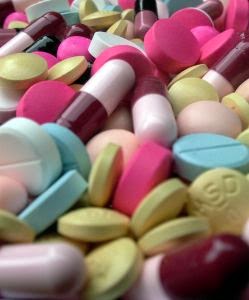
Cholesterol-boosting statins could be used to help protect unborn
babies from being impacted by their mother’s stress and thus reducing
the risk of that baby growing up with health problems later in their
life.
Statins are the most commonly prescribed treatment in the United
Kingdom, taken by approximately anywhere between 5 and 10 million
people, and estimated to cost the NHS around £500 million a year. They
are usually prescribed to lower the patient’s high cholesterol levels,
but scientists now believe they may also help protect the hearts of
babies in the womb.
Research conducted at Edinburgh University discovered that statins
helped counteract the negative effects brought on by stress hormones on
foetal growth and heart development in mice.
Those involved in the research into the drugs, claim that the therapy
may decrease the chances of babies being born underweight, and lower
their risk of suffering with health problems in later life, such as
heart disease.
Although the findings emanated from a study of mice, this may now
prompt further analysis into looking at the long-term effects of statins
during a woman’s pregnancy. However, researchers say the drugs are
currently already sometimes given to pregnant women and therefore should
be OK for clinical trials.
Professor Megan Holmes, from the University of Edinburgh, said:
“These are very exciting results suggesting that there may finally be a
potential therapy for women whose placenta is unable to maintain the
normal growth of her baby.
“At present there is no treatment and babies may be born prematurely
or small, and will be at greater risk of developing cardiovascular
disease, diabetes and even psychiatric disorders later in life.
“Although more work needs to be done to show statins are safe in
human pregnancy, these results show a new way forward for the major
unmet need of foetal growth retardation.”
Previous studies have shown babies are typically born under what is
considered a ‘normal’ weight, following exposure to high levels of
stress hormones within the womb, and have a much higher risk of heart
disease as they get older.
Usually, an unborn baby gets protection from a key enzyme generated
the placenta. The enzyme helps to destroy the stress hormones, reducing
the quantity of active hormones that can get to the baby’s blood supply.
If the mother is experiencing high levels of stress, the placenta
then produces less of the enzyme and the baby’s protection is reduced.
Therefore, the researchers involved in the latest study decided to
analyse mice that are unable to produce the enzyme as a model of
maternal stress. It was discovered that stress hormones prevent the
placenta from developing regular blood vessels, hindering the blood
supply to the foetus.
This stops the growing foetus from reaching a full size as a result, negatively impacting the heart function too.
However, researchers found that by treating the mother with the statin Pravastatin,
actually managed to trigger the production of a molecule called VEGF.
This worked at stimulating the development of blood vessels in the
placenta. Pravastatin is just one of numerous statins provided by
Medical Specialists® Pharmacy, which also includes atorvastatin and rosuvastatin.
The study – published in the journal Proceedings of the National Academy of Sciences
and was funded by the Wellcome Trust – found that by re-establishing
the blood supply, the treatment helped to promote a regular development
of the heart. In addition, the baby was able to grow to a healthy
birthweight.
Professor Jeremy Pearson, associate medical director at the British
Heart Foundation, said: “Low birthweight has been associated with
maternal stress, and babies with low birthweights may be more prone to
cardiovascular complications later in life.
“In this study the researchers have discovered that a drug called
Pravastatin may counteract the consequences of increased levels of the
stress hormone corticosterone within the placentas of mice.
“How Pravastatin counteracts the stress hormone is not yet
understood, therefore more research is needed to see whether the drug
will have the same effect in humans.”
Showing posts with label lower cholesterol. Show all posts
Friday, 27 May 2016
Friday, 15 April 2016
Should more people be taking cholesterol-boosting statins?
Statins
are the most commonly prescribed type of medicine within the UK, taken
by millions of people to help lower their ‘bad’ low-density lipoprotein
(LDL) cholesterol levels in the blood.
A large proportion of people may only be prescribed statins on the basis of their future risk though, for instance if there is a chance of the person developing cardiovascular disease, if there is a strong family history of cardiovascular disease, or determined by the person’s age.
However, experts have warned that this is simply excluding a great number of people who may benefit from taking statins, which include atorvastatin, rosuvastatin, pravastatin and more. The warnings came as part of a study published in the American Heart Association’s journal, Circulation.
Scientists based at the McGill University Health Centre (MUHC) in Montreal, Canada, argue that actually younger people with high cholesterol levels should be prescribed too. They estimated that there at least 9.5 million lower-risk, young people who would benefit from statins that aren’t taking them at the moment.
Dr George Thanassoulis, director of preventative and genomic cardiology at MUHC, said: “Targeting statin treatment to this group would prevent an additional 266,000 heart attacks and strokes over 10 years.”
In determining who they thought would receive health benefits from statin therapy, the scientists studied data from 2,134 participants of the National Health and Nutrition Examination Survey, a nationally-representative US cohort that spanned from 2005 to 2010.
The survey comprised of around 71.8 million Americans who were deemed eligible for statins. Those involved in the study then used a 10-year risk based approach, in addition to an individualised benefit approach, comparing the two different ways of looking at eligibility for statins.
Dr Thanassoulis commented: “Using a benefit-based approach, we identified 9.5 million lower-risk Americans not currently eligible for statin treatment, who had the same or greater expected benefit from statins as higher-risk individuals.
“These individuals were lower-risk because they were younger but they also had higher levels of low-density lipoprotein cholesterol which we have known to be an important cause of heart disease.”
The study’s findings may lead to health professionals reconsidering who should be prescribed the cholesterol-boosting drugs, and possibly recommending that people previously thought of as too young to be at risk of a heart attack, should be eligible for them.
Dr Thanassoulis said: “Our analysis shows that they would benefit from treatment, even in the short term, and therefore should be eligible for statin treatment.”
The scientists involved in the study argue that this could help to prevent a large number of people suffering with cardiovascular disease in the future.
“For too many, the present approach starts too late; an earlier start will multiply the lives save,” Dr Thanassoulis added.
The next step for the team that undertook the study will be the creation of a web interface to enable other physicians to take advantage of the new calculation model, and hope their method will result in new guidelines being set on identifying people who could benefit from statins.
A large proportion of people may only be prescribed statins on the basis of their future risk though, for instance if there is a chance of the person developing cardiovascular disease, if there is a strong family history of cardiovascular disease, or determined by the person’s age.
However, experts have warned that this is simply excluding a great number of people who may benefit from taking statins, which include atorvastatin, rosuvastatin, pravastatin and more. The warnings came as part of a study published in the American Heart Association’s journal, Circulation.
Scientists based at the McGill University Health Centre (MUHC) in Montreal, Canada, argue that actually younger people with high cholesterol levels should be prescribed too. They estimated that there at least 9.5 million lower-risk, young people who would benefit from statins that aren’t taking them at the moment.
Dr George Thanassoulis, director of preventative and genomic cardiology at MUHC, said: “Targeting statin treatment to this group would prevent an additional 266,000 heart attacks and strokes over 10 years.”
In determining who they thought would receive health benefits from statin therapy, the scientists studied data from 2,134 participants of the National Health and Nutrition Examination Survey, a nationally-representative US cohort that spanned from 2005 to 2010.
The survey comprised of around 71.8 million Americans who were deemed eligible for statins. Those involved in the study then used a 10-year risk based approach, in addition to an individualised benefit approach, comparing the two different ways of looking at eligibility for statins.
Dr Thanassoulis commented: “Using a benefit-based approach, we identified 9.5 million lower-risk Americans not currently eligible for statin treatment, who had the same or greater expected benefit from statins as higher-risk individuals.
“These individuals were lower-risk because they were younger but they also had higher levels of low-density lipoprotein cholesterol which we have known to be an important cause of heart disease.”
The study’s findings may lead to health professionals reconsidering who should be prescribed the cholesterol-boosting drugs, and possibly recommending that people previously thought of as too young to be at risk of a heart attack, should be eligible for them.
Dr Thanassoulis said: “Our analysis shows that they would benefit from treatment, even in the short term, and therefore should be eligible for statin treatment.”
The scientists involved in the study argue that this could help to prevent a large number of people suffering with cardiovascular disease in the future.
“For too many, the present approach starts too late; an earlier start will multiply the lives save,” Dr Thanassoulis added.
The next step for the team that undertook the study will be the creation of a web interface to enable other physicians to take advantage of the new calculation model, and hope their method will result in new guidelines being set on identifying people who could benefit from statins.
Thursday, 18 February 2016
Are walnuts the key to weight loss and improving cholesterol?
Forget salad, there could be another food that is great for shedding
those excess pounds, and it might just help to protect your heart in the
long run!The key to losing weight could surprisingly be walnuts, according to the findings of a new study, whereby scientists found that a diet rich in both olive oil and walnuts – one of the most popular and versatile of all the nuts – could help boost weight loss as well as increasing the ‘good’ HDL cholesterol levels in overweight people.
The weight loss results were comparable to that of being on a lower fat, higher carbohydrate diet and with regards to the findings, the study has recommended people eating even just a handful of them each day.
Researchers involved with the study say it is even more beneficial to eat walnuts which are high in polyunsaturated fats, as they will provide extra boost to heart health as well as lower cholesterol.
Study author Dr Cheryl Rock, of the San Diego School of Medicine at the University of California, said she was surprised by the results demonstrated in the study.
“One of the surprising findings of this study was even though walnuts are higher in fat and calories, the walnut-rich diet was associated with the same degree of weight loss as a lower fat diet.
“Considering the results of this study, as well as previous walnut research on heart health and weight, there’s something to be said for eating a handful of walnuts a day.”
To come to their conclusion, the team of researchers analysed 245 overweight or obese women aged between 22 and 72, all of whom were part of a one-year weight loss programme.
The women were randomly assigned to one of three different diets. The first was a lower fat and higher carbohydrate diet, the second was a lower carbohydrate and higher fat diet, whilst the third was a walnut-rich, higher fat and lower carbohydrate diet.
Those assigned to the walnut-rich diet would consume around 43g (1.5 ounces) of the nuts a day – which works out at around one and a half handfuls.
After a six month follow-up, it was discovered that women across all of the groups had lost an average of nearly 8% of their initial weight.
Women given the walnut-rich diet were found to have similar amounts of weight to the two other groups, however also had the added benefit of noticeable improvements in their cholesterol levels compared to the women in the other groups.
Specifically, there was a significant decrease noted in the LDL cholesterol (the ‘bad’ cholesterol) and an increase in HDL cholesterol (the ‘good’ cholesterol). This was not evident within the other diet groups.
This happened to be particularly noticeable in the women who were insulin-resistant – a precursor of diabetes.
The researchers believe this was the case as the low-carb high-fat diet group were urged to eat more foods rich in monounsaturated fats, found in a variety of foods and oils.
Foods high in monounsaturated fatty acids are believed to improve blood cholesterol levels, thereby lowering the risk of heart disease.
The walnut-rich diet was found to offer a large amount of polyunsaturated fats though, and in fact walnuts are the only nut where the fat is mainly polyunsaturated, which comprises of a high quantity of alpha-linolenic acid (ALA).
ALA is a plant-derived form of omega-3 fatty acid, an important part of a healthy working body. Omega 3 must be obtained from a person’s diet due to the body being unable to generate it itself. This ultimately means many have insufficient levels of the fatty acid.
Dr Rock admitted as the study only included women, the results may not be the same for men, and did not measure whether the women actually fully stuck to the diets assigned to them, although the women probably adhered to them considering the weight loss experienced.
“In addition to these findings, we hope to explore the effect of walnuts on satiety, as we believe satiety is a critical factor for maintaining weight loss,” Dr Rock concluded.
Thursday, 8 October 2015
Don’t miss a beat! Get involved with October’s National Cholesterol Month
As a long-term provider of popular high-cholesterol treatments such as Lipitor and Crestor, Medical Specialists® Pharmacy
are proudly supporting October’s National Cholesterol Month 2015,
organised by the charity HEART UK to raise more awareness about what
cholesterol is, the often underestimated serious health risks associated
with high cholesterol, and what can be done to lower the low-density
lipoprotein (LDL) – also known as ‘bad cholesterol’.
What is cholesterol?
For those unaware of what cholesterol actually is, it is a fatty, waxy substance known as a ‘lipid’, located in all of the body’s cells. The body requires some cholesterol to produce hormones, vitamin D, and substances to aid food digestion, and will produce what it needs, but some of the food we eat also contains cholesterol.
Cholesterol travels through the bloodstream in small packages that go by the name of lipoproteins. The two main types of lipoprotein are:
. High-density lipoprotein (HDL) – HDL carries cholesterol away from the cells and back to the liver, where it’s either broken down or passed out of the body as a waste product. For this reason, HDL is referred to as ‘good cholesterol’ and higher levels are better.
. Low-density lipoprotein (LDL) – LDL carries cholesterol to the cells that need it. If there’s too much cholesterol for the cells to use, it can build up in the artery walls, leading to disease of the arteries. For this reason, LDL is known as ‘bad cholesterol’.
High cholesterol – i.e. high levels of the bad LDL cholesterol – itself will not usually cause any symptoms, but it increases a person’s risk of serious health problems.
For example, plenty of evidence shows that high cholesterol can raise the risk of suffering with heart attack, heart disease, stroke, narrowing of the arteries (atherosclerosis), transient ischaemic attack (known as a ‘mini-stroke’) and peripheral arterial disease.
These risks are due to the fact cholesterol accumulate within the artery wall, reducing blood flow to the heart, brain and other areas of the body. In addition, the risk of a blood clot is also increased with high cholesterol.
What causes high cholesterol?
There are a number of contributing factors to a person having high blood cholesterol, some lifestyle choices, others being related to underlying conditions and there is also a risk if there has been a family history of such problems.
Lifestyle choices that can cause high cholesterol include a lack of exercise or physical activity, drinking too much alcohol, having a diet high in saturated fat and being a smoker. People with diabetes or high blood pressure usually also have high cholesterol.
Highlighting the risks of ‘The Silent Killer’ high cholesterol is imperative for HEART UK during National Cholesterol Month for many reasons, but one of those is to educate people about a condition many will not be aware of, but can be deadly – Familial hypercholesterolaemia (often shortened to FH).
FH is inherited, passed on by one of your parents and can cause incredibly high levels of cholesterol. Those with FH have high cholesterol levels from birth, whereas most people’s cholesterol increases with age and could be 50, 60 or 70 years of age before their cholesterol is deemed to be at a level linked to an increased risk of major heart problems.
Some people may never display any symptoms, but the common signs of FH are lumps and bumps around the knuckles or Achilles tendon (due to cholesterol deposits), yellow cholesterol build-up around the eyes and eyelids, or a pale ring around the iris.
If, after going to the doctor for a cholesterol check and it is found to be significantly high, the doctor may refer the patient to a specialist for an assessment if he or she believes that patient has FH, which could include gene tests. The specialist will then explain which family members need to be assessed too and medication will likely be required, as healthy lifestyle choices alone are not enough to reduce cholesterol for anyone with FH.
Treating high cholesterol
Adhering to a healthy diet that is low in saturated fat and engaging in regular exercise to maintain a healthy weight/BMI can lower the level of cholesterol in the blood, or prevent cholesterol levels being too high to begin with. The higher the cholesterol level, the higher the risk of stroke or heart disease and therefore the overall risk of having a heart attack.
Statin medication available today from Medical Specialists®, such as Atorvastatin, Pravastatin or Rosuvastatin, work to lower the LDL (‘bad’) cholesterol and raise the HDL (‘good’) cholesterol. Statins may be prescribed to certain people with risk factors for heart conditions, such as those with high cholesterol or high blood pressure, older patients, smokers, or those with family history of early heart disease. Between eight and ten million Britons take statins, making them the most widely prescribed drugs across the UK.
Get involved with National Cholesterol Month
HEART UK are providing expert, independent advice on statins and other cholesterol treatments, in addition to campaigning for improved detection of those at risk of high cholesterol and offering training for health professionals.
National Cholesterol Month 2014 was a roaring success, with more than £25,000 raised, but HEART UK are hoping to smash this amount for 2015, continuing with the theme the ‘Great Cholesterol Challenge’.
HEART UK state on their website how people can get involved and acquire a fundraising pack, saying: “Treat your heart by pledging to adopt a new healthy habit and raise funds for HEART UK at the same time! For this year’s campaign we have developed some really exciting ‘virtual challenges’ which we know you will love – see how you can get involved!
“Great Cholesterol Challenge packs are available now! If you would like a pack or need any further information about this year’s campaign, please email us and we will get one sent to you.”
Moreover, HEART UK offer advice on who should have cholesterol tests and how frequently to get one done:
What is cholesterol?
For those unaware of what cholesterol actually is, it is a fatty, waxy substance known as a ‘lipid’, located in all of the body’s cells. The body requires some cholesterol to produce hormones, vitamin D, and substances to aid food digestion, and will produce what it needs, but some of the food we eat also contains cholesterol.
Cholesterol travels through the bloodstream in small packages that go by the name of lipoproteins. The two main types of lipoprotein are:
. High-density lipoprotein (HDL) – HDL carries cholesterol away from the cells and back to the liver, where it’s either broken down or passed out of the body as a waste product. For this reason, HDL is referred to as ‘good cholesterol’ and higher levels are better.
. Low-density lipoprotein (LDL) – LDL carries cholesterol to the cells that need it. If there’s too much cholesterol for the cells to use, it can build up in the artery walls, leading to disease of the arteries. For this reason, LDL is known as ‘bad cholesterol’.
High cholesterol – i.e. high levels of the bad LDL cholesterol – itself will not usually cause any symptoms, but it increases a person’s risk of serious health problems.
For example, plenty of evidence shows that high cholesterol can raise the risk of suffering with heart attack, heart disease, stroke, narrowing of the arteries (atherosclerosis), transient ischaemic attack (known as a ‘mini-stroke’) and peripheral arterial disease.
These risks are due to the fact cholesterol accumulate within the artery wall, reducing blood flow to the heart, brain and other areas of the body. In addition, the risk of a blood clot is also increased with high cholesterol.
What causes high cholesterol?
There are a number of contributing factors to a person having high blood cholesterol, some lifestyle choices, others being related to underlying conditions and there is also a risk if there has been a family history of such problems.
Lifestyle choices that can cause high cholesterol include a lack of exercise or physical activity, drinking too much alcohol, having a diet high in saturated fat and being a smoker. People with diabetes or high blood pressure usually also have high cholesterol.
Highlighting the risks of ‘The Silent Killer’ high cholesterol is imperative for HEART UK during National Cholesterol Month for many reasons, but one of those is to educate people about a condition many will not be aware of, but can be deadly – Familial hypercholesterolaemia (often shortened to FH).
FH is inherited, passed on by one of your parents and can cause incredibly high levels of cholesterol. Those with FH have high cholesterol levels from birth, whereas most people’s cholesterol increases with age and could be 50, 60 or 70 years of age before their cholesterol is deemed to be at a level linked to an increased risk of major heart problems.
Some people may never display any symptoms, but the common signs of FH are lumps and bumps around the knuckles or Achilles tendon (due to cholesterol deposits), yellow cholesterol build-up around the eyes and eyelids, or a pale ring around the iris.
If, after going to the doctor for a cholesterol check and it is found to be significantly high, the doctor may refer the patient to a specialist for an assessment if he or she believes that patient has FH, which could include gene tests. The specialist will then explain which family members need to be assessed too and medication will likely be required, as healthy lifestyle choices alone are not enough to reduce cholesterol for anyone with FH.
Treating high cholesterol
Adhering to a healthy diet that is low in saturated fat and engaging in regular exercise to maintain a healthy weight/BMI can lower the level of cholesterol in the blood, or prevent cholesterol levels being too high to begin with. The higher the cholesterol level, the higher the risk of stroke or heart disease and therefore the overall risk of having a heart attack.
Statin medication available today from Medical Specialists®, such as Atorvastatin, Pravastatin or Rosuvastatin, work to lower the LDL (‘bad’) cholesterol and raise the HDL (‘good’) cholesterol. Statins may be prescribed to certain people with risk factors for heart conditions, such as those with high cholesterol or high blood pressure, older patients, smokers, or those with family history of early heart disease. Between eight and ten million Britons take statins, making them the most widely prescribed drugs across the UK.
Get involved with National Cholesterol Month
HEART UK are providing expert, independent advice on statins and other cholesterol treatments, in addition to campaigning for improved detection of those at risk of high cholesterol and offering training for health professionals.
National Cholesterol Month 2014 was a roaring success, with more than £25,000 raised, but HEART UK are hoping to smash this amount for 2015, continuing with the theme the ‘Great Cholesterol Challenge’.
HEART UK state on their website how people can get involved and acquire a fundraising pack, saying: “Treat your heart by pledging to adopt a new healthy habit and raise funds for HEART UK at the same time! For this year’s campaign we have developed some really exciting ‘virtual challenges’ which we know you will love – see how you can get involved!
“Great Cholesterol Challenge packs are available now! If you would like a pack or need any further information about this year’s campaign, please email us and we will get one sent to you.”
Moreover, HEART UK offer advice on who should have cholesterol tests and how frequently to get one done:
- Every 5 years if you are between the ages of 40 and 75.
- Every 12 months if you are on cholesterol lowering medication.
- Any child of a parent with inherited high cholesterol (FH) – by the age of 10.
- First degree relatives of a person with FH – on being told of the risk.
Tuesday, 24 February 2015
Medical Specialists® Pharmacy offer 6 tips for a healthy heart for National Heart Month
With Valentine’s Day less than two weeks away, the second month of
the year often causes pandemonium as couples all around the world, more
than at any other time, use all the love in their heart’s to make that
extra effort in showing their loved one how much they care.
There could be another reason to think about the heart this month though – for those unaware, February is National Heart Month. The month-long campaign is led by the British Heart Foundation as a way to urge the nation to think more about heart health, as well as to increase awareness about heart and circulatory diseases.
The campaign is one that is annually supported by Medical Specialists® Pharmacy as heart and circulatory diseases are the leading causes of death for adults in Britain. Heart disease comprises of conditions such as coronary heart disease, heart attack and heart failure. However, there are steps to take to help prevent heart problems.
. Cut down on alcohol intake
The NHS recommends that men should not drink more than 3-4 units of alcohol a day, whilst for women the figure stands at just 2-3 units a day at most, and consuming more than this can have a detrimental impact to your heart health. Excessive alcohol intake can raise the amount of triglycerides (a type of fat) in the blood and also lead to abnormal heart rhythms, high blood pressure, heart failure, stroke and obesity from the additional calories you are taking in. Cutting down on alcohol can be made easier through the help of Medical Specialists® Pharmacy, who have recently began to supply the alcohol dependency treatment Selincro to suitable patients, after being inundated with requests for it.
. Cut down on salt intake
It is recommended that an adult should consume no more than 6g of salt per day – around one full teaspoon. As food labels sometimes only give the figure for sodium, people might be unsure how much they are getting but the following formula from the sodium figure listed, can help: Salt = sodium x 2.5. Therefore, adults should consume no more than 2.4g of sodium per day; equal to 6g of salt. Unfortunately, many of us in the UK consume far more than the 6g limit. On average, people in the UK eat about 8.1g of salt (3.2g sodium) a day. Too much salt can increase the volume of body fluids increases and raise blood pressure. High blood pressure (hypertension) can then result in serious problems such as heart disease or stroke.
. Cut down on sugar intake
The majority of food and drink products that contain plenty of added sugars, also contain a high number of calories, often having very little nutritional value. Consuming plenty of sugary food and drink on a regular basis can result in weight gain and obesity, thus risking health conditions such as type 2 diabetes and heart disease. Added sugars should comprise of no more than 10% of the energy (calorie intake) obtained from food and drink each day, which works out at around 70g for men and 50g for women, but can vary according to age, size, and how active a person is. Food and drink to consider cutting down on include: sugary cereals, fizzy drinks, sugary squash, cakes, biscuits, chocolate, sweets, cereal bars, cakes, ice cream, puddings and yoghurt.
. Stop smoking
Smoking causes damage to the lining of the arteries, thereby reducing the space for blood to travel through, with the carbon monoxide contained in cigarettes also effecting the amount of oxygen that can reach the heart and other areas of the body, forcing the heart to work much harder to supply the body with the oxygen it requires. The dangers of smoking are further explained on the British Heart Foundation’s website, but smokers are at double the risk of suffering from a heart attack compared to people that have never smoked and smoking is the main cause of a multitude of cancers and lung disease. Smoking cessation treatments such as Champix can help people quit smoking for good though and reduce the risk of heart problems.
. Keep active
Extra weight is widely accepted to be linked to increase the risk of high blood pressure, high cholesterol and type 2 diabetes, and all of these conditions then make heart disease or stroke all the more likely. For those unsure if they are at a healthy weight, body mass index (BMI) is usually one of the first port of calls to check this. A BMI of 25 to 29.9 is considered overweight, whilst a BMI of 30 to 39.9 is considered to be obese. Exercise is a great way to shed the pounds but the simple fact remains that much of the nation lives a sedentary lifestyle. The NHS recommends that one step in treating obesity is to take up activities such as fast walking, jogging, swimming or tennis for 150-300 minutes a week, but obesity treatments like Xenical – in conjunction with a healthy diet – can help with weight loss too.
. Lower cholesterol
Adopting a healthy diet and regular exercise, as previously highlighted, can lower the level of cholesterol in the blood, or prevent cholesterol levels being too high to begin with. The higher the cholesterol level, the higher the risk of stroke or heart disease and therefore the overall risk of having a heart attack. Statin medication such as Atorvastatin or Pravastatin work to lower the LDL (‘bad’) cholesterol and raise the HDL (‘good’) cholesterol, and may be prescribed to certain people with risk factors for heart conditions, such as those with high cholesterol or high blood pressure, older patients, smokers, or those with family history of early heart disease.
The British Heart Foundation’s webpage has more information about heart diseases and advice on how to beat them. Moreover, the charity are encouraging the nation to show their support on 6 February by wearing red and hosting an event to raise funds for their life-saving research. Anyone can get involved, whether it is at the workplace, school or with friends and family, and there are loads of great ideas for fundraising and essentials such as the sponsorship form and event poster.
There could be another reason to think about the heart this month though – for those unaware, February is National Heart Month. The month-long campaign is led by the British Heart Foundation as a way to urge the nation to think more about heart health, as well as to increase awareness about heart and circulatory diseases.
The campaign is one that is annually supported by Medical Specialists® Pharmacy as heart and circulatory diseases are the leading causes of death for adults in Britain. Heart disease comprises of conditions such as coronary heart disease, heart attack and heart failure. However, there are steps to take to help prevent heart problems.
. Cut down on alcohol intake
The NHS recommends that men should not drink more than 3-4 units of alcohol a day, whilst for women the figure stands at just 2-3 units a day at most, and consuming more than this can have a detrimental impact to your heart health. Excessive alcohol intake can raise the amount of triglycerides (a type of fat) in the blood and also lead to abnormal heart rhythms, high blood pressure, heart failure, stroke and obesity from the additional calories you are taking in. Cutting down on alcohol can be made easier through the help of Medical Specialists® Pharmacy, who have recently began to supply the alcohol dependency treatment Selincro to suitable patients, after being inundated with requests for it.
. Cut down on salt intake
It is recommended that an adult should consume no more than 6g of salt per day – around one full teaspoon. As food labels sometimes only give the figure for sodium, people might be unsure how much they are getting but the following formula from the sodium figure listed, can help: Salt = sodium x 2.5. Therefore, adults should consume no more than 2.4g of sodium per day; equal to 6g of salt. Unfortunately, many of us in the UK consume far more than the 6g limit. On average, people in the UK eat about 8.1g of salt (3.2g sodium) a day. Too much salt can increase the volume of body fluids increases and raise blood pressure. High blood pressure (hypertension) can then result in serious problems such as heart disease or stroke.
. Cut down on sugar intake
The majority of food and drink products that contain plenty of added sugars, also contain a high number of calories, often having very little nutritional value. Consuming plenty of sugary food and drink on a regular basis can result in weight gain and obesity, thus risking health conditions such as type 2 diabetes and heart disease. Added sugars should comprise of no more than 10% of the energy (calorie intake) obtained from food and drink each day, which works out at around 70g for men and 50g for women, but can vary according to age, size, and how active a person is. Food and drink to consider cutting down on include: sugary cereals, fizzy drinks, sugary squash, cakes, biscuits, chocolate, sweets, cereal bars, cakes, ice cream, puddings and yoghurt.
. Stop smoking
Smoking causes damage to the lining of the arteries, thereby reducing the space for blood to travel through, with the carbon monoxide contained in cigarettes also effecting the amount of oxygen that can reach the heart and other areas of the body, forcing the heart to work much harder to supply the body with the oxygen it requires. The dangers of smoking are further explained on the British Heart Foundation’s website, but smokers are at double the risk of suffering from a heart attack compared to people that have never smoked and smoking is the main cause of a multitude of cancers and lung disease. Smoking cessation treatments such as Champix can help people quit smoking for good though and reduce the risk of heart problems.
. Keep active
Extra weight is widely accepted to be linked to increase the risk of high blood pressure, high cholesterol and type 2 diabetes, and all of these conditions then make heart disease or stroke all the more likely. For those unsure if they are at a healthy weight, body mass index (BMI) is usually one of the first port of calls to check this. A BMI of 25 to 29.9 is considered overweight, whilst a BMI of 30 to 39.9 is considered to be obese. Exercise is a great way to shed the pounds but the simple fact remains that much of the nation lives a sedentary lifestyle. The NHS recommends that one step in treating obesity is to take up activities such as fast walking, jogging, swimming or tennis for 150-300 minutes a week, but obesity treatments like Xenical – in conjunction with a healthy diet – can help with weight loss too.
. Lower cholesterol
Adopting a healthy diet and regular exercise, as previously highlighted, can lower the level of cholesterol in the blood, or prevent cholesterol levels being too high to begin with. The higher the cholesterol level, the higher the risk of stroke or heart disease and therefore the overall risk of having a heart attack. Statin medication such as Atorvastatin or Pravastatin work to lower the LDL (‘bad’) cholesterol and raise the HDL (‘good’) cholesterol, and may be prescribed to certain people with risk factors for heart conditions, such as those with high cholesterol or high blood pressure, older patients, smokers, or those with family history of early heart disease.
The British Heart Foundation’s webpage has more information about heart diseases and advice on how to beat them. Moreover, the charity are encouraging the nation to show their support on 6 February by wearing red and hosting an event to raise funds for their life-saving research. Anyone can get involved, whether it is at the workplace, school or with friends and family, and there are loads of great ideas for fundraising and essentials such as the sponsorship form and event poster.
Thursday, 11 December 2014
Prescription drugs now taken by nearly half of adults
According to the latest report published by the Health Survey for
England by the Health and Social Care Information Centre (HSCIC), around
half of women and 43% of men are now taking prescription medications.
The new study – the first of its kind – probed into our nation’s pill-popping habits, discovering that the most commonly prescribed medicines are cholesterol-lowering statins such as atorvastatin and pravastatin (taken by 16% of men and 12% of women), and drugs for high blood pressure (hypertension) come in at a close second in the most often prescribed drugs list (taken by 14% of men and 15% of women).
The HSCIC report represents the very first nationwide representative assessment of medicines taken by people in the community, as opposed to within the healthcare system. It includes both those on long-term drugs and those taking a short course of antibiotics.
The report states that there were an average of 18.7 prescriptions administered per person in England during 2013, which reportedly sets back the NHS more than £15 billion each year.
Unsurprisingly perhaps, the new figures show that there are generally more prescription drugs taken by people as age increases, with over half of those aged 65 or over taking three or more medicines and over a third aged 75 or over take at least six.
Dr Jennifer Mindell, reader in public health at University College London and one of the authors in the report, argued the statistics should be taken in context due to the fact people are in better health than previous times and generally live longer in the modern day, primarily because of drugs for prevention and treatment of disease.
Dr Mindell commented: “That half of men over 65 are taking cholesterol-lowering medicines reflects the high risk of cardiovascular disease in this group. Stopping smoking, being a healthy weight, eating more vegetables and fruit, and being physically active reduce people’s risk of these diseases, for people who want to avoid taking medicines.”
The figures show that almost a third of prescriptions were for cardiovascular disease, with in excess of 65 million prescriptions given to combat either high blood pressure, heart failure or high cholesterol, but excludes the number of people using contraceptives and smoking cessation products, such as Champix.
The most single prescribed drug was Simvastatin – a cholesterol lowering treatment – with a staggering 40 million prescriptions given, followed by aspirin (31 million).
Antidepressant drugs were found to be taken by over one in 10 women – this is double the figure for men. These types of drugs were often taken by middle-aged women and those from the poorest regions of the country. It was found 17% of the poorest women were on antidepressants compared to 7% of the richest women.
Dr Sarah Jackson, at University College London, said: “It’s well known that rates of depression are much higher among women than men, so I am not surprised to see that antidepressant use follows the same pattern in this study. People with depression are less likely to be in regular employment, and people who are unemployed or in low paid jobs are more likely to have depression.”
In addition, the reported highlighted the fact that overweight and obese people were more probably going to be taking prescription medication, with over half of severely obese people across England taking at least one prescription drug and a third taking at least three.
Sue Faulding, a pharmacist and programme manager of prescribing and primary care services at the HSCIC, commented: “Obesity is often associated with high cholesterol, high blood pressure, joint pain and depression. Lifestyle changes are always recommended in the first instance, but medicines can help to address the symptoms and this study shows that medicine use increases steadily with body mass index.”
The new study – the first of its kind – probed into our nation’s pill-popping habits, discovering that the most commonly prescribed medicines are cholesterol-lowering statins such as atorvastatin and pravastatin (taken by 16% of men and 12% of women), and drugs for high blood pressure (hypertension) come in at a close second in the most often prescribed drugs list (taken by 14% of men and 15% of women).
The HSCIC report represents the very first nationwide representative assessment of medicines taken by people in the community, as opposed to within the healthcare system. It includes both those on long-term drugs and those taking a short course of antibiotics.
The report states that there were an average of 18.7 prescriptions administered per person in England during 2013, which reportedly sets back the NHS more than £15 billion each year.
Unsurprisingly perhaps, the new figures show that there are generally more prescription drugs taken by people as age increases, with over half of those aged 65 or over taking three or more medicines and over a third aged 75 or over take at least six.
Dr Jennifer Mindell, reader in public health at University College London and one of the authors in the report, argued the statistics should be taken in context due to the fact people are in better health than previous times and generally live longer in the modern day, primarily because of drugs for prevention and treatment of disease.
Dr Mindell commented: “That half of men over 65 are taking cholesterol-lowering medicines reflects the high risk of cardiovascular disease in this group. Stopping smoking, being a healthy weight, eating more vegetables and fruit, and being physically active reduce people’s risk of these diseases, for people who want to avoid taking medicines.”
The figures show that almost a third of prescriptions were for cardiovascular disease, with in excess of 65 million prescriptions given to combat either high blood pressure, heart failure or high cholesterol, but excludes the number of people using contraceptives and smoking cessation products, such as Champix.
The most single prescribed drug was Simvastatin – a cholesterol lowering treatment – with a staggering 40 million prescriptions given, followed by aspirin (31 million).
Antidepressant drugs were found to be taken by over one in 10 women – this is double the figure for men. These types of drugs were often taken by middle-aged women and those from the poorest regions of the country. It was found 17% of the poorest women were on antidepressants compared to 7% of the richest women.
Dr Sarah Jackson, at University College London, said: “It’s well known that rates of depression are much higher among women than men, so I am not surprised to see that antidepressant use follows the same pattern in this study. People with depression are less likely to be in regular employment, and people who are unemployed or in low paid jobs are more likely to have depression.”
In addition, the reported highlighted the fact that overweight and obese people were more probably going to be taking prescription medication, with over half of severely obese people across England taking at least one prescription drug and a third taking at least three.
Sue Faulding, a pharmacist and programme manager of prescribing and primary care services at the HSCIC, commented: “Obesity is often associated with high cholesterol, high blood pressure, joint pain and depression. Lifestyle changes are always recommended in the first instance, but medicines can help to address the symptoms and this study shows that medicine use increases steadily with body mass index.”
Friday, 18 July 2014
Millions more to be eligible for cholesterol-boosting statins
The threshold for those eligible to take cholesterol-lowering statins
has been drastically cut by medicines regulator the National Institute
of Health and Care Excellence (NICE), meaning millions more adults in
England, Wales and Northern Ireland will now be offered statins by
doctors.
Under controversial guidelines from the watchdog, most men aged over 60 and women over 65 will now be advised to take statins such as Atorvastatin, Pravastatin or Rosuvastatin. This will be the case even if they are only at a one in 10 risk of developing cardiovascular disease. The current threshold is 20%.
NICE say the recommendation to take statins to an extra 4.5 million adults is necessary to avoid “a tragedy waiting to happen” by decreasing the numbers of people suffering with heart attacks and strokes.
Around 12.5 million people are currently eligible for the drugs, and the NHS could see costs of an extra £52 million annually from the extra 4.5 million patients being offered statin medication. Due to decreasing costs for the drugs, the total NHS bill for statins would actually still be less than what it was in 2012.
Speaking yesterday, the NICE guidance panel argued the recommendations were devised from the “biggest ever clinical trial” and that 50,000 lives could be saved each year if those now eligible regularly took statins.
However, that indeed could be one major stumbling block – getting patients to keep taking their treatment. NICE admit that statin uptake only stands at around 60% usually, and that benefits to be gained are more likely to be 4,000 lives saved each year in addition to 22,000 strokes and heart attacks averted.
One in three deaths in the UK are the result of cardiovascular disease. It is for this reason why statins remain the most prescribed type of medication on the NHS, with Medical Specialists™ Pharmacy also seeing massive amounts of patients requesting statins to help lower their ‘bad’ LDL cholesterol, whilst raising the ‘good’ HDL cholesterol!
Although some doctors have claimed the new guidelines for statins are primarily based on studies funded by the pharmaceutical industry, this has been quickly refuted by NICE.
Professor Mark Baker, director of the Centre for Clinical Practice at NICE, blasted that such claims were “ludicrous”.
“Nobody gets onto our guideline groups if they have any significant vested interest, especially a financial interest,” he commented. “Statins are safe and effective and it is a good deal for more people to have access to them under the NHS.”
Professor Peter Weissberg, the medical director at the British Heart Foundation, stressed the importance of positive lifestyle choices in lowering the risk of cardiovascular disease. He said: “Doctors will now be able to offer a statin to people at a lower risk, but their prescription is not mandated.
“Just as important is the emphasis on trying lifestyle changes before considering treatments with drugs.”
For example, lifestyle changes hinted at by Professor Weissberg include: quitting smoking, maintain a healthy weight, exercise regularly, consume alcohol only in moderation, manage stress levels better, have a diet rich in fruit and vegetables/limited in trans fats and keep your blood pressure under control.
Under controversial guidelines from the watchdog, most men aged over 60 and women over 65 will now be advised to take statins such as Atorvastatin, Pravastatin or Rosuvastatin. This will be the case even if they are only at a one in 10 risk of developing cardiovascular disease. The current threshold is 20%.
NICE say the recommendation to take statins to an extra 4.5 million adults is necessary to avoid “a tragedy waiting to happen” by decreasing the numbers of people suffering with heart attacks and strokes.
Around 12.5 million people are currently eligible for the drugs, and the NHS could see costs of an extra £52 million annually from the extra 4.5 million patients being offered statin medication. Due to decreasing costs for the drugs, the total NHS bill for statins would actually still be less than what it was in 2012.
Speaking yesterday, the NICE guidance panel argued the recommendations were devised from the “biggest ever clinical trial” and that 50,000 lives could be saved each year if those now eligible regularly took statins.
However, that indeed could be one major stumbling block – getting patients to keep taking their treatment. NICE admit that statin uptake only stands at around 60% usually, and that benefits to be gained are more likely to be 4,000 lives saved each year in addition to 22,000 strokes and heart attacks averted.
One in three deaths in the UK are the result of cardiovascular disease. It is for this reason why statins remain the most prescribed type of medication on the NHS, with Medical Specialists™ Pharmacy also seeing massive amounts of patients requesting statins to help lower their ‘bad’ LDL cholesterol, whilst raising the ‘good’ HDL cholesterol!
Although some doctors have claimed the new guidelines for statins are primarily based on studies funded by the pharmaceutical industry, this has been quickly refuted by NICE.
Professor Mark Baker, director of the Centre for Clinical Practice at NICE, blasted that such claims were “ludicrous”.
“Nobody gets onto our guideline groups if they have any significant vested interest, especially a financial interest,” he commented. “Statins are safe and effective and it is a good deal for more people to have access to them under the NHS.”
Professor Peter Weissberg, the medical director at the British Heart Foundation, stressed the importance of positive lifestyle choices in lowering the risk of cardiovascular disease. He said: “Doctors will now be able to offer a statin to people at a lower risk, but their prescription is not mandated.
“Just as important is the emphasis on trying lifestyle changes before considering treatments with drugs.”
For example, lifestyle changes hinted at by Professor Weissberg include: quitting smoking, maintain a healthy weight, exercise regularly, consume alcohol only in moderation, manage stress levels better, have a diet rich in fruit and vegetables/limited in trans fats and keep your blood pressure under control.
Thursday, 3 July 2014
Overwhelming evidence shows statins are ‘very effective and safe’
The benefits of cholesterol-boosting statins far outweigh the risks
and the “jury is no longer out”, leading health experts said yesterday.
Six professors from British universities decided to wade into the fierce debate about Britain’s most prescribed type of medication, and said there is now overwhelming evidence clearly demonstrating cholesterol-lowering statins such as atorvastatin and rosuvastatin are “very effective and safe”.
Presently, there are an estimated seven million people prescribed statins in the UK alone, with the drug recommended for anybody who has a one in five or higher risk of suffering a heart attack or stroke in the proceeding 10 years, or who have already had a major cardiac event. However, there have been calls to widen the scope for who is eligible, with many health experts saying there should be more people taking them than the current guidelines recommend.
However, the heart drugs were in the news earlier this year when they made headlines for their apparent dangerous risks. In May for example, researchers involved in a study into statins published in the British Medical Journal (BMJ) were forced to backtrack on claims the drugs increased a patient’s diabetes risk, admitting the claims were incorrect.
Professor Sir Rory Collins, head of the Nuffield Department of Population Health at Oxford University, said: “Side effects could put off high-risk patients from taking their life-saving medication. Major vascular events such as heart attacks or stroke are life-changing events for many people so to avoid these is important. The benefits outweigh the risks. The evidence is substantial that the treatment is safe but it remains a choice but one they can only make if they are not misinformed.”
Professor Collins added that it was not uncommon for older people prescribed statins to have aches and pains, but that these symptoms were just as likely to be suffered by those not taking statins.
George Davey Smith, professor of clinical epidemiology at the University of Bristol, argued that 25 years of research had showed definitive evidence about the major benefits of statin use. He said: “The jury is no longer out on the cost/benefit ratio.”
Peter Weissberg, medical director of the British Heart Foundation, added: “If you take a statin your risk will reduce of having a heart attack or stroke. If you are at negligible risk all you are doing is exposing yourself to a low risk of side effects.”
So it seems statins are here to stay for the long-term, with their efficacy and safety surely no longer in question.
After the BMJ story was published, the Medicines and Healthcare products Regulatory Agency (MHRA) were quick to publish a rebuttal, issuing a safety update reassuring patients that statins were safe.
They commented that 450 deaths from heart attacks, stroke or vascular failure would be avoided for each 10,000 patients treated, if patients at a 20% or higher risk of suffering one of these over a 10-year period were taking statins for at least five years.
Six professors from British universities decided to wade into the fierce debate about Britain’s most prescribed type of medication, and said there is now overwhelming evidence clearly demonstrating cholesterol-lowering statins such as atorvastatin and rosuvastatin are “very effective and safe”.
Presently, there are an estimated seven million people prescribed statins in the UK alone, with the drug recommended for anybody who has a one in five or higher risk of suffering a heart attack or stroke in the proceeding 10 years, or who have already had a major cardiac event. However, there have been calls to widen the scope for who is eligible, with many health experts saying there should be more people taking them than the current guidelines recommend.
However, the heart drugs were in the news earlier this year when they made headlines for their apparent dangerous risks. In May for example, researchers involved in a study into statins published in the British Medical Journal (BMJ) were forced to backtrack on claims the drugs increased a patient’s diabetes risk, admitting the claims were incorrect.
Professor Sir Rory Collins, head of the Nuffield Department of Population Health at Oxford University, said: “Side effects could put off high-risk patients from taking their life-saving medication. Major vascular events such as heart attacks or stroke are life-changing events for many people so to avoid these is important. The benefits outweigh the risks. The evidence is substantial that the treatment is safe but it remains a choice but one they can only make if they are not misinformed.”
Professor Collins added that it was not uncommon for older people prescribed statins to have aches and pains, but that these symptoms were just as likely to be suffered by those not taking statins.
George Davey Smith, professor of clinical epidemiology at the University of Bristol, argued that 25 years of research had showed definitive evidence about the major benefits of statin use. He said: “The jury is no longer out on the cost/benefit ratio.”
Peter Weissberg, medical director of the British Heart Foundation, added: “If you take a statin your risk will reduce of having a heart attack or stroke. If you are at negligible risk all you are doing is exposing yourself to a low risk of side effects.”
So it seems statins are here to stay for the long-term, with their efficacy and safety surely no longer in question.
After the BMJ story was published, the Medicines and Healthcare products Regulatory Agency (MHRA) were quick to publish a rebuttal, issuing a safety update reassuring patients that statins were safe.
They commented that 450 deaths from heart attacks, stroke or vascular failure would be avoided for each 10,000 patients treated, if patients at a 20% or higher risk of suffering one of these over a 10-year period were taking statins for at least five years.
Tuesday, 1 April 2014
Earl Grey tea as good as statins at fighting heart disease?
Every office has that one person who is brew-shy and will avoid
having to fill up the kettle at all costs! However, these type of people
may reconsider after scientists discovered that drinking Earl Grey tea
could help to protest against the onset of heart disease.
The tasty beverage – a popular drink in television program Downton Abbey - contains a fragrant Mediterranean citrus fruit bergamot, an extract responsible for the distinct taste and smell which experts found can be as beneficial as statins like Atorvastatin or Pravastatin in lowering bad cholesterol and ultimately lowering the risk of heart disease.
New research has shown that Earl’s Grey tea contains enzymes called HMGF (hydroxy methyl glutaryl flavonones), which work at fighting the body’s proteins that help to cause cardiovascular disease – something which is the primary reason for a quarter of deaths in the UK.
The study was conducted by scientists from Italy’s University of Calabria, who worked with concentrations of HMGF on the proteins that are responsible for ‘bad’ cholesterol and heart disease.
Writing in the Journal of Functional Foods, they said that a dietary supplement of HMGF could be as comparable as statin therapy in fighting low-density proteins (LDL) or ‘bad’ cholesterol, with the bergamot extract with HMGF working just as well as the medications after comparison.
Not only were levels of the bad LDL cholesterol reduced, but researchers also found that the bergamot extract also increased HDL, also referred to as ‘good cholesterol’.
Citrus foods belong to the heavily praised ‘Mediterranean diet’, something which adhered to, many health experts argue it can dramatically lower the risk of heart disease. Food and drink from this diet that can aid health include a moderate consumption of ethanol – derived from the wine, low consumption of meat, and high intake of vegetables, fruit, nuts, legumes, fish and olive oil.
Bergamot has only been added to many traditional Mediterranean‘folk’ medicines for the treatment of wounds, inflammation and as an antiseptic, in addition to its boost for the heart.
The journal’s report said: “High cholesterol is a common health concern for us all and often statins are given to help treat the condition. Extract from bergamot – most commonly used in Earl Grey tea – reduced total cholesterol and LDL levels but there was an increase in HDL levels (good cholesterol). Therefore a daily supplement of bergamot fruit extract could be very effective for the treatment of high cholesterol.”
Cholesterol-busting statins such as Crestor (Rosuvastatin) and Lipitor (Atorvastatin) are currently prescribed to around 7 million Brits and function by raising good/protective cholesterol (HDL) and lowering bad cholesterol (LDL) and triglycerides. The higher your cholesterol level, the higher your risk of suffering a heart attack or stroke due to your arteries being clogged up with the fat-like substance known as cholesterol.
The tasty beverage – a popular drink in television program Downton Abbey - contains a fragrant Mediterranean citrus fruit bergamot, an extract responsible for the distinct taste and smell which experts found can be as beneficial as statins like Atorvastatin or Pravastatin in lowering bad cholesterol and ultimately lowering the risk of heart disease.
New research has shown that Earl’s Grey tea contains enzymes called HMGF (hydroxy methyl glutaryl flavonones), which work at fighting the body’s proteins that help to cause cardiovascular disease – something which is the primary reason for a quarter of deaths in the UK.
The study was conducted by scientists from Italy’s University of Calabria, who worked with concentrations of HMGF on the proteins that are responsible for ‘bad’ cholesterol and heart disease.
Writing in the Journal of Functional Foods, they said that a dietary supplement of HMGF could be as comparable as statin therapy in fighting low-density proteins (LDL) or ‘bad’ cholesterol, with the bergamot extract with HMGF working just as well as the medications after comparison.
Not only were levels of the bad LDL cholesterol reduced, but researchers also found that the bergamot extract also increased HDL, also referred to as ‘good cholesterol’.
Citrus foods belong to the heavily praised ‘Mediterranean diet’, something which adhered to, many health experts argue it can dramatically lower the risk of heart disease. Food and drink from this diet that can aid health include a moderate consumption of ethanol – derived from the wine, low consumption of meat, and high intake of vegetables, fruit, nuts, legumes, fish and olive oil.
Bergamot has only been added to many traditional Mediterranean‘folk’ medicines for the treatment of wounds, inflammation and as an antiseptic, in addition to its boost for the heart.
The journal’s report said: “High cholesterol is a common health concern for us all and often statins are given to help treat the condition. Extract from bergamot – most commonly used in Earl Grey tea – reduced total cholesterol and LDL levels but there was an increase in HDL levels (good cholesterol). Therefore a daily supplement of bergamot fruit extract could be very effective for the treatment of high cholesterol.”
Cholesterol-busting statins such as Crestor (Rosuvastatin) and Lipitor (Atorvastatin) are currently prescribed to around 7 million Brits and function by raising good/protective cholesterol (HDL) and lowering bad cholesterol (LDL) and triglycerides. The higher your cholesterol level, the higher your risk of suffering a heart attack or stroke due to your arteries being clogged up with the fat-like substance known as cholesterol.
Wednesday, 12 February 2014
Millions more to be prescribed statins to lower cholesterol
New NHS draft guidelines could mean millions more Brits are
prescribed cholesterol-lowering statins to stave off heart attacks and
strokes.
Current recommendations – implemented back in 2005 – mean that anybody with a 20% or greater chance of developing cardiovascular disease in the following decade are offered statins such as atorvastatin or pravastatin. The risk is calculated using factors such as age, weight, whether the person smokes and if there is a family history of the disease.
However, The National Institute for Health and Care Excellence (NICE) say the treatment should be broadened to include more people in order to save thousands more lives. Cardiovascular disease remains the leading cause of death in the UK, claiming around 180,000 lives annually.
NICE now says that anyone with a risk at one in 10 or 10% should be offered statin medication, resulting in an estimated five million more Brits now taking the drugs, saving 2,000 lives and preventing 10,000 heart attacks or strokes every year.
This is according to Professor Colin Baigent, from the Oxford University team who conducted research published in The Lancet into the potential benefits of statins to more patients, finding the benefits of statins far exceed any side effects.
The new guidelines state doctors will be required to “make a judgment” about their patients with less than a 10% risk of developing cardiovascular disease and advise them accordingly.
NiCE says the draft guidance will make clear doctors need to work with at-risk patients to encourage them to improve lifestyle factors first that could put at risk, such as drinking less, stopping smoking and adhering to a healthy diet.
After these issues have been tended to, the patients should then be offered high intensity statin therapy.
Presently, around seven million people in the UK are currently statins; incredibly this is over a tenth of the UK’s population.
Professor Mark Baker, director of the centre for clinical practice at NICE, said: “People should be encouraged to address any lifestyle factors such as smoking, drinking too much or eating unhealthily. We also recommend that statins are now offered to many more people – the effectiveness of these medicines is now well proven and their cost has fallen.”
Professor Peter Weissberg, medical director at the British Heart Foundation, said: “Reducing your cholesterol level, whether that’s through medication or lifestyle changes, will reduce your risk of cardiovascular disease. The current guidance weighed the benefits of taking a statin against what was then the considerable cost to the health service. This pragmatic decision made sure that those of highest risk benefited. However, as most people who have a heart attack or stroke have average cholesterol levels and since statins are now much cheaper it makes sense to reconsider the threshold.”
Unfortunately, actually getting people to take their statins appears to be another issue. A 2012 study conducted by the British Heart Foundation discovered that an alarming 36% were not taking them.
Current recommendations – implemented back in 2005 – mean that anybody with a 20% or greater chance of developing cardiovascular disease in the following decade are offered statins such as atorvastatin or pravastatin. The risk is calculated using factors such as age, weight, whether the person smokes and if there is a family history of the disease.
However, The National Institute for Health and Care Excellence (NICE) say the treatment should be broadened to include more people in order to save thousands more lives. Cardiovascular disease remains the leading cause of death in the UK, claiming around 180,000 lives annually.
NICE now says that anyone with a risk at one in 10 or 10% should be offered statin medication, resulting in an estimated five million more Brits now taking the drugs, saving 2,000 lives and preventing 10,000 heart attacks or strokes every year.
This is according to Professor Colin Baigent, from the Oxford University team who conducted research published in The Lancet into the potential benefits of statins to more patients, finding the benefits of statins far exceed any side effects.
The new guidelines state doctors will be required to “make a judgment” about their patients with less than a 10% risk of developing cardiovascular disease and advise them accordingly.
NiCE says the draft guidance will make clear doctors need to work with at-risk patients to encourage them to improve lifestyle factors first that could put at risk, such as drinking less, stopping smoking and adhering to a healthy diet.
After these issues have been tended to, the patients should then be offered high intensity statin therapy.
Presently, around seven million people in the UK are currently statins; incredibly this is over a tenth of the UK’s population.
Professor Mark Baker, director of the centre for clinical practice at NICE, said: “People should be encouraged to address any lifestyle factors such as smoking, drinking too much or eating unhealthily. We also recommend that statins are now offered to many more people – the effectiveness of these medicines is now well proven and their cost has fallen.”
Professor Peter Weissberg, medical director at the British Heart Foundation, said: “Reducing your cholesterol level, whether that’s through medication or lifestyle changes, will reduce your risk of cardiovascular disease. The current guidance weighed the benefits of taking a statin against what was then the considerable cost to the health service. This pragmatic decision made sure that those of highest risk benefited. However, as most people who have a heart attack or stroke have average cholesterol levels and since statins are now much cheaper it makes sense to reconsider the threshold.”
Unfortunately, actually getting people to take their statins appears to be another issue. A 2012 study conducted by the British Heart Foundation discovered that an alarming 36% were not taking them.
Tuesday, 15 October 2013
South London stroke rates drop by 40% since 1995, statins credited
A new study has found that the incidence of strokes in a large area
of South London has declined by more than a third during the 15 years
between 1995 and 2010.
Researchers from King’s College in London say that the number of people suffering from strokes has fell by 39.5% in that time period in the area. Incidence of strokes was calculated at 247 per 100,000 people in 1995, however it was only 149.5 per 100,000 in 2010.
Approximately 152,000 people each year in the United Kingdom suffer from a stroke. There are two main types of stroke – ischaemic and haemorrhagic. The former accounts for a staggering 80% of all cases of stroke. An ischaemic stroke occurs when blood flow to the brain is prevented by either a blood clot or clump of fat. There is a high risk of a blood clot if your arteries have narrowed and clogged with fatty deposits; known as atherosclerosis. Major risk factors for atherosclerosis include smoking, high blood pressure, high cholesterol, obesity, diabetes and a family history of heart disease or stroke.
A haemorrhagic type of stroke is brought on due a weakened blood vessel supplying the brain rupturing and resulting in bleeding into the surrounding brain and brain damage. Two types of weakened blood vessels will typically cause a haemorrhagic stroke: aneurysms and arteriovenous malformations (AVMs).
The researchers involved in the new study say the decline may be attributed to more people adopting a healthier lifestyle and the positive effects of cholesterol-lowering medications (statins), such as Lipitor (Atorvastatin) and Crestor (Rosuvastatin). Both drugs work to lower LDL, or “bad” cholesterol, and raise patients’ good HDL levels. It is estimated that statins are currently prescribed to an incredible 7 million in the United Kingdom – around a tenth of the population.
The team from King’s College looked at data extracted from the South London Stroke register, a database that covers an area with over 350,000 people in.
They found that rates of stroke incidence generally had fallen in men, women, white patients and those over the age of 45. However, similar declines in rates were not evident in those aged 15 to 44, or black patients, according to the researchers.
“We observed a higher prevalence of hypertension and diabetes mellitus in black patients compared with white patients in each of the four time periods in all age groups,” they commented.
“Other possible explanations for ethnic disparities include cultural differences in perceptions of health and the health care system, environmental exposures, genetic factors, socioeconomic status, and educational attainment.”
Professsor Graham MacGregor, chairman of charity Blood Pressure UK, said advances in medical knowledge had resulted in much more effective treatments being available for patients.
“We’ve got better blood pressure drugs and they are used more effectively. In the past GPs would prescribe one drug. We now know they work more effectively in combination, and they are often more acceptable to patients, with fewer side effects, so they take them and don’t leave them in the medicines cupboard. Statins cut the risk of stroke by 30 to 40 per cent so they have also played a part, but we need to do more.”
Dr Madina Kara, researcher at the Stroke Association, was clearly delighted with the findings from the study. She said: “It’s encouraging to see such a striking reduction in the number of people having a stroke in the past 16 years. Public health campaigns around the risk factors for stroke, such as high blood pressure and smoking are helping people to take control of their health and reduce their risk of stroke. This reduction, however, is not being mirrored in those under 45 years old, and the black population, where the incidence of stroke remains high.”
She also explained why certain sectors of the population could be more at risk compared to others. “We know that the African-Caribbean community are at greater risk of sickle cell disease, diabetes and high blood pressure – conditions that can lead to stroke. This means they are twice as likely to have a stroke compared to the white population. In addition, haemorrhagic stroke, caused by bleeding within or around the brain, is more common in younger adults,” she said.
Dr Kara added: “Stroke changes lives in an instant and can have a devastating physical and emotional impact on not only the stroke survivor, but their family and carers as well. To help reduce stroke across the whole population, we all need to take steps to reduce our risk.”
Researchers from King’s College in London say that the number of people suffering from strokes has fell by 39.5% in that time period in the area. Incidence of strokes was calculated at 247 per 100,000 people in 1995, however it was only 149.5 per 100,000 in 2010.
Approximately 152,000 people each year in the United Kingdom suffer from a stroke. There are two main types of stroke – ischaemic and haemorrhagic. The former accounts for a staggering 80% of all cases of stroke. An ischaemic stroke occurs when blood flow to the brain is prevented by either a blood clot or clump of fat. There is a high risk of a blood clot if your arteries have narrowed and clogged with fatty deposits; known as atherosclerosis. Major risk factors for atherosclerosis include smoking, high blood pressure, high cholesterol, obesity, diabetes and a family history of heart disease or stroke.
A haemorrhagic type of stroke is brought on due a weakened blood vessel supplying the brain rupturing and resulting in bleeding into the surrounding brain and brain damage. Two types of weakened blood vessels will typically cause a haemorrhagic stroke: aneurysms and arteriovenous malformations (AVMs).
The researchers involved in the new study say the decline may be attributed to more people adopting a healthier lifestyle and the positive effects of cholesterol-lowering medications (statins), such as Lipitor (Atorvastatin) and Crestor (Rosuvastatin). Both drugs work to lower LDL, or “bad” cholesterol, and raise patients’ good HDL levels. It is estimated that statins are currently prescribed to an incredible 7 million in the United Kingdom – around a tenth of the population.
The team from King’s College looked at data extracted from the South London Stroke register, a database that covers an area with over 350,000 people in.
They found that rates of stroke incidence generally had fallen in men, women, white patients and those over the age of 45. However, similar declines in rates were not evident in those aged 15 to 44, or black patients, according to the researchers.
“We observed a higher prevalence of hypertension and diabetes mellitus in black patients compared with white patients in each of the four time periods in all age groups,” they commented.
“Other possible explanations for ethnic disparities include cultural differences in perceptions of health and the health care system, environmental exposures, genetic factors, socioeconomic status, and educational attainment.”
Professsor Graham MacGregor, chairman of charity Blood Pressure UK, said advances in medical knowledge had resulted in much more effective treatments being available for patients.
“We’ve got better blood pressure drugs and they are used more effectively. In the past GPs would prescribe one drug. We now know they work more effectively in combination, and they are often more acceptable to patients, with fewer side effects, so they take them and don’t leave them in the medicines cupboard. Statins cut the risk of stroke by 30 to 40 per cent so they have also played a part, but we need to do more.”
Dr Madina Kara, researcher at the Stroke Association, was clearly delighted with the findings from the study. She said: “It’s encouraging to see such a striking reduction in the number of people having a stroke in the past 16 years. Public health campaigns around the risk factors for stroke, such as high blood pressure and smoking are helping people to take control of their health and reduce their risk of stroke. This reduction, however, is not being mirrored in those under 45 years old, and the black population, where the incidence of stroke remains high.”
She also explained why certain sectors of the population could be more at risk compared to others. “We know that the African-Caribbean community are at greater risk of sickle cell disease, diabetes and high blood pressure – conditions that can lead to stroke. This means they are twice as likely to have a stroke compared to the white population. In addition, haemorrhagic stroke, caused by bleeding within or around the brain, is more common in younger adults,” she said.
Dr Kara added: “Stroke changes lives in an instant and can have a devastating physical and emotional impact on not only the stroke survivor, but their family and carers as well. To help reduce stroke across the whole population, we all need to take steps to reduce our risk.”
Friday, 27 September 2013
Self-injectable cholesterol drug alirocumab is in the pipeline
Pharmaceutical giants Sanofi and Regeneron have developed a
potentially ground-breaking new cholesterol drug – currently named
‘alirocumab’ – which analysts are predicting could be a massive
sensation and bring in billions of dollars for its creators if the
late-stage trials prove successful.
The new cholesterol-lowering drug is self-injectable and belongs to a class of biotech medicines named PCSK9 inhibitors, providing a different method of clearing the fatty deposits that can cause clogging within the arterial walls leading the way to a high risk of poor health, heart disease, strokes and other health complications.
Bad cholesterol, commonly referred to as “low density lipoprotein,” is one of the primary factors behind clogged arteries. If your body is generating sufficient amounts of good cholesterol, or “high density lipoprotein,” this helps the bad cholesterol to be cleared from the arterial walls and subsequently removed from the bloodstream via the liver. However, if you are low on good cholesterol, levels of bad cholesterol will rise and result in clogging in the arterial walls.
Health experts believe that PCSK9 inhibitors could be the biggest breakthrough in the fight against heart disease in two decades, since statins such as Lipitor, Crestor and Zocor have emerged.
Alirocumab contains man-made antibodies that target a particular protein which stops the body from getting rid of the bad LDL cholesterol from the bloodstream. They differ from the statins as statins actually prevent the liver’s production of LDL cholesterol.
Results from the new drug tested in a 100-patient trial are imminent and Sanofi are hopeful it may reach the market in two years’ time. Unfortunately, success will probably hinder on the results of more long-term clinical studies comprising on thousands of patients – and more reliable and trusted results will probably not be available for another five years from such studies.
Following tests in the initial Phase III study, alirocumab was found to reduce levels of LDL cholesterol by up to an incredible 72% and it is now being pitted against Merck’s Zetia, which has been shown to lower LDL cholesterol levels by around 19-24%.
Alirocumab is likely be prescribed to those with genetically-high cholesterol levels, patients deemed ‘high risk’ and who are not reaching cholesterol targets on whichever statin they are taking, and patients who could have a low tolerance to statins.
Speaking at a conference earlier this month, Sanofi’s CEO Chris Viehbacher said the French drugmaker may consider doubling its stake in Regeneron, clearing having faith in the ability and success of alirocumab.
He commented: “When you look at the number of patients who are willing to inject themselves daily for diabetes, and you know a lot of those patients are also going to be in your patient population for PCSK9, I actually think that the injectable part is not going to be as big a barrier as people think. I think it is going to be a paradigm shift for healthcare and a potentially huge opportunity for us.”
Unfortunately, the need for alirocumab to be injected and the high costs involved will deter many and pricing will be a major issue in the UK as the NHS already facing numerous deficit-cutting measures. Certainly the new drug, if and when it eventually hits the market, will be substantially more expensive than statins – currently prescribed to around 7 million people in the UK.
The new cholesterol-lowering drug is self-injectable and belongs to a class of biotech medicines named PCSK9 inhibitors, providing a different method of clearing the fatty deposits that can cause clogging within the arterial walls leading the way to a high risk of poor health, heart disease, strokes and other health complications.
Bad cholesterol, commonly referred to as “low density lipoprotein,” is one of the primary factors behind clogged arteries. If your body is generating sufficient amounts of good cholesterol, or “high density lipoprotein,” this helps the bad cholesterol to be cleared from the arterial walls and subsequently removed from the bloodstream via the liver. However, if you are low on good cholesterol, levels of bad cholesterol will rise and result in clogging in the arterial walls.
Health experts believe that PCSK9 inhibitors could be the biggest breakthrough in the fight against heart disease in two decades, since statins such as Lipitor, Crestor and Zocor have emerged.
Alirocumab contains man-made antibodies that target a particular protein which stops the body from getting rid of the bad LDL cholesterol from the bloodstream. They differ from the statins as statins actually prevent the liver’s production of LDL cholesterol.
Results from the new drug tested in a 100-patient trial are imminent and Sanofi are hopeful it may reach the market in two years’ time. Unfortunately, success will probably hinder on the results of more long-term clinical studies comprising on thousands of patients – and more reliable and trusted results will probably not be available for another five years from such studies.
Following tests in the initial Phase III study, alirocumab was found to reduce levels of LDL cholesterol by up to an incredible 72% and it is now being pitted against Merck’s Zetia, which has been shown to lower LDL cholesterol levels by around 19-24%.
Alirocumab is likely be prescribed to those with genetically-high cholesterol levels, patients deemed ‘high risk’ and who are not reaching cholesterol targets on whichever statin they are taking, and patients who could have a low tolerance to statins.
Speaking at a conference earlier this month, Sanofi’s CEO Chris Viehbacher said the French drugmaker may consider doubling its stake in Regeneron, clearing having faith in the ability and success of alirocumab.
He commented: “When you look at the number of patients who are willing to inject themselves daily for diabetes, and you know a lot of those patients are also going to be in your patient population for PCSK9, I actually think that the injectable part is not going to be as big a barrier as people think. I think it is going to be a paradigm shift for healthcare and a potentially huge opportunity for us.”
Unfortunately, the need for alirocumab to be injected and the high costs involved will deter many and pricing will be a major issue in the UK as the NHS already facing numerous deficit-cutting measures. Certainly the new drug, if and when it eventually hits the market, will be substantially more expensive than statins – currently prescribed to around 7 million people in the UK.
Friday, 30 August 2013
Cholesterol-lowering statins may help to slow the aging process
Statins are one of the most studied classifications of medications in
the pharmaceutical industry as researchers gradually uncover the
fantastic depths of their potential.
As well as their primary purpose of lowering low-density lipoprotein (LDL) cholesterol aka. ‘bad cholesterol’ and thus decreasing the risk of cardiovascular disease, statins such as Lipitor (Atorvastatin) and Crestor (Rosuvastatin) have even remarkably been linked with aiding the symptoms of erectile dysfunction, decreasing the risk of liver cancer, and are even being explored in the treatment of asthma.
However, the list of potential benefits of statins has one new addition, according to the findings of research published in September’s publication of The FASEB Journal.
A study conducted in Italy shows that statins may slow down the rate at which telomeres reduce in size – an important factor in our natural aging process. Therefore, this could pave the way for statins forming the basis of a revolutionary anti-ageing treatment.
“By telomerase activation, statins may represent a new molecular switch able to slow down senescent cells in our tissues and be able to lead healthy lifespan extension,” said Giuseppe Paolisso, M.D., Ph.D., a researcher involved in the work from the Department of Internal Medicine, Surgical, Neurological Metabolic Disease and Geriatric Medicine at Second University of Naples in Naples, Italy.
Paolisso and colleagues divided their study participants into two groups; one group on statin therapy and a second, control group, who were not taking statins. Following an analysis of telomerase activity for both groups, those taking statins were found to have a higher activity within their white blood cells and thus less telomeres shortening in comparison to the control group. This shows the importance of telomerase activation in slowing down the development of many short telomeres.
You’d be forgiven for not knowing what a ‘telomere’ actually is though. The ends of our chromosomes are comprised of cells containing a DNA sequence that helps to prevent the threads of DNA from unravelling; a fraying effect as a consequence of cell division. These ends are known as telomeres. Due to the fact they prevent chromosome ends from fraying and sticking to each other, telomeres are often compared to the plastic tips on shoelaces.
The importance of telomeres is because each time a cell divides, the telomeres get shorter. If they shorten too much, the cell becomes unable to divide and becomes inactive, ‘senescent’ or simply dies. This has been linked to aging, cancer and an increased risk of death.
As well as their primary purpose of lowering low-density lipoprotein (LDL) cholesterol aka. ‘bad cholesterol’ and thus decreasing the risk of cardiovascular disease, statins such as Lipitor (Atorvastatin) and Crestor (Rosuvastatin) have even remarkably been linked with aiding the symptoms of erectile dysfunction, decreasing the risk of liver cancer, and are even being explored in the treatment of asthma.
However, the list of potential benefits of statins has one new addition, according to the findings of research published in September’s publication of The FASEB Journal.
A study conducted in Italy shows that statins may slow down the rate at which telomeres reduce in size – an important factor in our natural aging process. Therefore, this could pave the way for statins forming the basis of a revolutionary anti-ageing treatment.
“By telomerase activation, statins may represent a new molecular switch able to slow down senescent cells in our tissues and be able to lead healthy lifespan extension,” said Giuseppe Paolisso, M.D., Ph.D., a researcher involved in the work from the Department of Internal Medicine, Surgical, Neurological Metabolic Disease and Geriatric Medicine at Second University of Naples in Naples, Italy.
Paolisso and colleagues divided their study participants into two groups; one group on statin therapy and a second, control group, who were not taking statins. Following an analysis of telomerase activity for both groups, those taking statins were found to have a higher activity within their white blood cells and thus less telomeres shortening in comparison to the control group. This shows the importance of telomerase activation in slowing down the development of many short telomeres.
You’d be forgiven for not knowing what a ‘telomere’ actually is though. The ends of our chromosomes are comprised of cells containing a DNA sequence that helps to prevent the threads of DNA from unravelling; a fraying effect as a consequence of cell division. These ends are known as telomeres. Due to the fact they prevent chromosome ends from fraying and sticking to each other, telomeres are often compared to the plastic tips on shoelaces.
The importance of telomeres is because each time a cell divides, the telomeres get shorter. If they shorten too much, the cell becomes unable to divide and becomes inactive, ‘senescent’ or simply dies. This has been linked to aging, cancer and an increased risk of death.
Friday, 24 May 2013
Work-related stress could be dangerous for our cholesterol
If you are sitting down to read this whilst in a job you hate – now may be the time to reach for that stress ball.
According to Spanish researchers, stress at the workplace cam change the way our body processes fat, increase ‘bad’ LDL cholesterol levels, which then raises the risk of cardiovascular problems such as heart attack or stroke. This disorder that causes the levels of fats and lipoproteins in the blood to be altered is known as ‘dyslipidemia’.
Published in the Scandinavian Journal of Public Health, the study was conducted by researchers from Ibermutuamur – a mutual insurance company specialising in work-related accidents and occupational illnesses – working with experts from the Virgen de la Victoria Hospital at Malaga and the Santiago de Compostela University.
There has long been an established connection between stressful jobs and an increased risk of coronary disease. Reasons for this are believed to be that stress makes us more likely to eat more unhealthy foods, smoke and drink alcohol.
In addition, data emanating from previous studies have suggested that stress could have an impact of levels of lipids in the blood by hindering the body’s metabolism. Unfortunately these studies included a relatively low sample size and sometimes demonstrated mixed results.
A strength of the study conducted in Spain is the fact it comprised of over 90,000 people. Ibermutuamur have annual medical check-ups and an incredible 430,000 people were assessed between 2005 and 2007 alone. Of these, a study questionnaire was distributed to over 100,000 randomly selected individuals and 91,593 responded. Participants were asked: “During the last year, have you frequently felt that you cannot cope with your usual job?” Those who replied ‘yes’ were deemed to have stress at work.
There were also 11 questions regarding any possible anxiety and depression symptoms, for example: “Have you felt keyed up, on edge?” and “Have you had difficulty relaxing?”
However, and somewhat strangely, diet was not taken into account in the questionnaire. Having a diet high in saturated fat can affect cholesterol levels. Some of the foods particularly bad in this aspect include: hard cheese, cream, lard, butter, cakes, biscuits, and sausages. It may well be that stress at the workplace leads people to opting for foods which are poor nutritionally and it is their diet responsible for an increase in bad cholesterol, and not the stress itself.
Nonetheless, the results from the study are intriguing and perhaps should encourage employers to try and minimise stress for their employees and create a positive work environment. In addition, Medical Specialists Pharmacy urge all readers to take a look at our article published last year for National Cholesterol Week in which we offered many tips to improve heart health and avoid high cholesterol.
Carlos Catalina, clinical psychologist and an expert in work-related stress at Ibermutuamur, said in a statement: “The workers who stated that they had experienced difficulties in dealing with their job during the previous 12 months – 8.7 percent – had a higher risk of suffering from dyslipidemia – a lipoproteins’ metabolic disorder that can manifest itself in an increase in total cholesterol, low-density lipoproteins, the ‘bad,’ cholesterol and triglyceride levels, in addition to a drop in high-density lipoproteins, the ‘good’ cholesterol. One of the mechanisms that could explain the relationship between stress and cardiovascular risk could be the changes in our lipid profile, which means higher rates of atheromatous plaque accumulation of the arteries.”
If you want to improve your cholesterol levels, Medical Specialists Pharmacy can help. ‘Crestor’ (Rosuvastatin) and ‘Lipitor’ (Atorvastatin) are prescription-only treatments that belong to a group of cholesterol-lowering medicines called statins. Along with a healthy low-fat diet, they lower ‘bad’ cholesterol (LDL-C), increase ‘good’ cholesterol (HDL-C), as well as slowing the progression of atherosclerosis in adults with high cholesterol. We are pleased to inform our patients that we also offer legal generic Atorvastatin, with prices from as little as just £11.25 per pack.
According to Spanish researchers, stress at the workplace cam change the way our body processes fat, increase ‘bad’ LDL cholesterol levels, which then raises the risk of cardiovascular problems such as heart attack or stroke. This disorder that causes the levels of fats and lipoproteins in the blood to be altered is known as ‘dyslipidemia’.
Published in the Scandinavian Journal of Public Health, the study was conducted by researchers from Ibermutuamur – a mutual insurance company specialising in work-related accidents and occupational illnesses – working with experts from the Virgen de la Victoria Hospital at Malaga and the Santiago de Compostela University.
There has long been an established connection between stressful jobs and an increased risk of coronary disease. Reasons for this are believed to be that stress makes us more likely to eat more unhealthy foods, smoke and drink alcohol.
In addition, data emanating from previous studies have suggested that stress could have an impact of levels of lipids in the blood by hindering the body’s metabolism. Unfortunately these studies included a relatively low sample size and sometimes demonstrated mixed results.
A strength of the study conducted in Spain is the fact it comprised of over 90,000 people. Ibermutuamur have annual medical check-ups and an incredible 430,000 people were assessed between 2005 and 2007 alone. Of these, a study questionnaire was distributed to over 100,000 randomly selected individuals and 91,593 responded. Participants were asked: “During the last year, have you frequently felt that you cannot cope with your usual job?” Those who replied ‘yes’ were deemed to have stress at work.
There were also 11 questions regarding any possible anxiety and depression symptoms, for example: “Have you felt keyed up, on edge?” and “Have you had difficulty relaxing?”
However, and somewhat strangely, diet was not taken into account in the questionnaire. Having a diet high in saturated fat can affect cholesterol levels. Some of the foods particularly bad in this aspect include: hard cheese, cream, lard, butter, cakes, biscuits, and sausages. It may well be that stress at the workplace leads people to opting for foods which are poor nutritionally and it is their diet responsible for an increase in bad cholesterol, and not the stress itself.
Nonetheless, the results from the study are intriguing and perhaps should encourage employers to try and minimise stress for their employees and create a positive work environment. In addition, Medical Specialists Pharmacy urge all readers to take a look at our article published last year for National Cholesterol Week in which we offered many tips to improve heart health and avoid high cholesterol.
Carlos Catalina, clinical psychologist and an expert in work-related stress at Ibermutuamur, said in a statement: “The workers who stated that they had experienced difficulties in dealing with their job during the previous 12 months – 8.7 percent – had a higher risk of suffering from dyslipidemia – a lipoproteins’ metabolic disorder that can manifest itself in an increase in total cholesterol, low-density lipoproteins, the ‘bad,’ cholesterol and triglyceride levels, in addition to a drop in high-density lipoproteins, the ‘good’ cholesterol. One of the mechanisms that could explain the relationship between stress and cardiovascular risk could be the changes in our lipid profile, which means higher rates of atheromatous plaque accumulation of the arteries.”
If you want to improve your cholesterol levels, Medical Specialists Pharmacy can help. ‘Crestor’ (Rosuvastatin) and ‘Lipitor’ (Atorvastatin) are prescription-only treatments that belong to a group of cholesterol-lowering medicines called statins. Along with a healthy low-fat diet, they lower ‘bad’ cholesterol (LDL-C), increase ‘good’ cholesterol (HDL-C), as well as slowing the progression of atherosclerosis in adults with high cholesterol. We are pleased to inform our patients that we also offer legal generic Atorvastatin, with prices from as little as just £11.25 per pack.
Tuesday, 26 February 2013
A Mediterranean diet can decrease heart attack risk
Researchers claim that by adhering to a healthy Mediterranean diet,
this is almost as good for your heart as statins in reducing the risk of
suffering from a heart attack or stroke. The news emerges
coincidentally as we approach the end of the ‘Rock up in Red’ campaign for National Heart Month, of which Medical Specialists Pharmacy are proud supporters of.
Cholesterol-busting statins such as Crestor (Rosuvastatin) and Lipitor (Atorvastatin) are currently prescribed to nearly a tenth (7 million) of the UK population and function by raising good/protective cholesterol (HDL) and lowering bad cholesterol (LDL) and triglycerides. The higher your cholesterol level, the bigger risk there is of suffering from a heart attack and stroke due to your arteries being clogged up with the fat-like substance known as cholesterol.
However, Spanish researchers led by Prof Ramon Estruch, a professor of medicine at Barcelona University, believe that consuming a Mediterranean diet comprising of plenty lot of fruit, vegetables, fish and wine, and only small amounts of red meat or dairy products, can provide some degree of defence against heart problems.
Many have previously acknowledged the fact that people from Mediterranean countries are more inclined to have lower levels of heart disease though there has been uncertainty if this was due to hereditary factors, or linked to diet and lifestyle.
For the study, the Spanish academics tracked 7,447 people during the years of 2003 and 2009 – consisting of men aged 55 to 88 and women aged 60 to 80. None of the participants had any kind of cardiovascular disease at the beginning of the study. However, they were all at risk due to having type 2 diabetes or were at risk due to having three things from a list of health problems. These were: smoking, high blood pressure, high levels of bad cholesterol, low levels of healthy cholesterol, overweight or there being family history of coronary heart disease.
The participants were assigned into one of three groups; two of which were instructed to eat a Mediterranean diet – one supplemented with four table spoons of extra-virgin olive oil and the other with about one ounce of nuts (walnuts, almonds or hazelnuts). The third group were instead told to stick to a diet that included low-fat dairy products, grains and fruits and vegetables.
Following an average of 4.8 years assessment, 228 had either suffered a heart attack or stroke or died of heart-related problems. Of this total, 96 were in the olive oil group (3.4% of participants), 83 in the group eating plenty of nuts (3.4%) and 109 in the low-fat group (4.4%). This equates to a 30% decline in risk for those on the Mediterranean diets compared with the low fat diet.
Researchers say that important elements from the diets that boosted health included moderate consumption of ethanol – derived from the wine, low consumption of meat, and high intake of vegetables, fruit, nuts, legumes, fish and olive oil. In fact they were so impressed with their study findings that they began adopting a Mediterranean diet themselves.
The authors conclude: “The results of our trial might explain, in part, the lower cardiovascular mortality in Mediterranean countries than in northern Europe or the United States.”
Although not involved with the study, Dr Mike Knapton, associate medical director of the British Heart Foundation, commented on its findings, and advised against anybody deciding to forsake their prescribed statins in favour of merely a change in diet. He said: “This large long-term study shows that eating a Mediterranean diet is associated with heart health benefits, including reductions in heart attack, stroke and deaths from cardiovascular disease. While these findings aren’t new they add to our knowledge and confidence that a Mediterranean diet can help cut down your cardiovascular risk. A well-balanced diet low in salt, saturated fat and sugar is a vital part of a healthy lifestyle. That said, a Mediterranean diet should not replace your prescribed medication.”
Cholesterol-busting statins such as Crestor (Rosuvastatin) and Lipitor (Atorvastatin) are currently prescribed to nearly a tenth (7 million) of the UK population and function by raising good/protective cholesterol (HDL) and lowering bad cholesterol (LDL) and triglycerides. The higher your cholesterol level, the bigger risk there is of suffering from a heart attack and stroke due to your arteries being clogged up with the fat-like substance known as cholesterol.
However, Spanish researchers led by Prof Ramon Estruch, a professor of medicine at Barcelona University, believe that consuming a Mediterranean diet comprising of plenty lot of fruit, vegetables, fish and wine, and only small amounts of red meat or dairy products, can provide some degree of defence against heart problems.
Many have previously acknowledged the fact that people from Mediterranean countries are more inclined to have lower levels of heart disease though there has been uncertainty if this was due to hereditary factors, or linked to diet and lifestyle.
For the study, the Spanish academics tracked 7,447 people during the years of 2003 and 2009 – consisting of men aged 55 to 88 and women aged 60 to 80. None of the participants had any kind of cardiovascular disease at the beginning of the study. However, they were all at risk due to having type 2 diabetes or were at risk due to having three things from a list of health problems. These were: smoking, high blood pressure, high levels of bad cholesterol, low levels of healthy cholesterol, overweight or there being family history of coronary heart disease.
The participants were assigned into one of three groups; two of which were instructed to eat a Mediterranean diet – one supplemented with four table spoons of extra-virgin olive oil and the other with about one ounce of nuts (walnuts, almonds or hazelnuts). The third group were instead told to stick to a diet that included low-fat dairy products, grains and fruits and vegetables.
Following an average of 4.8 years assessment, 228 had either suffered a heart attack or stroke or died of heart-related problems. Of this total, 96 were in the olive oil group (3.4% of participants), 83 in the group eating plenty of nuts (3.4%) and 109 in the low-fat group (4.4%). This equates to a 30% decline in risk for those on the Mediterranean diets compared with the low fat diet.
Researchers say that important elements from the diets that boosted health included moderate consumption of ethanol – derived from the wine, low consumption of meat, and high intake of vegetables, fruit, nuts, legumes, fish and olive oil. In fact they were so impressed with their study findings that they began adopting a Mediterranean diet themselves.
The authors conclude: “The results of our trial might explain, in part, the lower cardiovascular mortality in Mediterranean countries than in northern Europe or the United States.”
Although not involved with the study, Dr Mike Knapton, associate medical director of the British Heart Foundation, commented on its findings, and advised against anybody deciding to forsake their prescribed statins in favour of merely a change in diet. He said: “This large long-term study shows that eating a Mediterranean diet is associated with heart health benefits, including reductions in heart attack, stroke and deaths from cardiovascular disease. While these findings aren’t new they add to our knowledge and confidence that a Mediterranean diet can help cut down your cardiovascular risk. A well-balanced diet low in salt, saturated fat and sugar is a vital part of a healthy lifestyle. That said, a Mediterranean diet should not replace your prescribed medication.”
Wednesday, 6 February 2013
A vegetarian diet can boost blood pressure and cholesterol
A Cancer Research UK and the UK Medical Research Council-funded study featured in American Journal of Clinical Nutrition
suggests that those who adhere to a vegetarian diet and ditch meat and
fish will see major health benefits over their meat-eating peers.
The findings of what is the largest study of its kind, could persuade some people to give-up meat in favour of veg and comes ironically only weeks after the Tesco horse meat scandal where some of their own-branded beef burgers were found to contain as much as 29% horse meat.
Scientists at the University of Oxford analysed 44,561 people in England and Scotland, recruiting participants over the age of 20 during 1993 to 1997. They specifically wanted vegetarians and vegans in the study to look at associations between nutrition and general health in contrast to the general UK population.
All participants were required to fill out a food-frequency questionnaire that quizzed them on what food they ate over the previous year, in addition to asking them about exercise, smoking habits and alcohol consumption. The researchers classified people as either non-vegetarian if they said they had eaten any meat or fish, or as vegetarian if they reported eating no meat or fish. For study purposes, vegetarians and vegans were categorised together (about 15,100 in total).
Over the course of an average 11.6 years of follow-ups, there were 1,235 cases of ischaemic heart disease (IHD). From this number, 169 people in the study had died as a result of heart disease and there were 1,066 recorded hospital admissions.
After taking into account factors such as age, gender, physical activity, smoking, alcohol intake, education and social background, it was calculated that being a vegetarian can decrease the risk of death or hospital admission from heart disease by a staggering 32%. Amazingly, a reduced risk was evident in both continuous vegetarians and in those who had begun eating meat at the five year follow-up.
If that wasn’t enough of a persuader to ditch the meat, vegetarians were also found to have lower levels of ‘bad’ cholesterol in their blood and a lower systolic blood pressure reading. Moreover, they were typically more slender with a lower body mass index (BMI) than the meat eaters, and had a reduced risk of developing diabetes.
Dr Francesca Crowe, author of the study at the Cancer Epidemiology Unit at the University of Oxford, said: “Most of the difference in risk is probably caused by effects on cholesterol and blood pressure, and shows the important role of diet in the prevention of heart disease.”
Co-author Professor Tim Key, deputy director of the Cancer Epidemiology Unit at the University of Oxford, added: “The results clearly show the risk of heart disease in vegetarians is about a third lower than in non-vegetarians.”
Red meat – particularly processed meat – comprises of numerous ingredients that have been regular attributed to increased risk of chronic diseases including bowel cancer. Such ingredients include heme iron, saturated fat, sodium, nitrites and certain carcinogens that are formed during the cooking process. At least by hitting the daily recommended intake of five portions of fruit and veg means that people can benefit from their antioxidant properties that work at reducing cholesterol, control blood glucose levels and reduce the risk of many types of cancer.
Cardiovascular disease is responsible for the largest number of deaths in the developed world. According to World Health Organisation statistics, it claimed 17.3 million lives in 2008 worldwide, with 6.2 million of these from strokes. A famous figure who almost succumbed to heart disease was former U.S. President Bill Clinton, once notorious for his strong penchant for hamburgers; he was required to have a coronary bypass operation in 2004 and is now leads a much better lifestyle.
As highlighted earlier, high cholesterol is a primary contributor for heart disease. However, Medical Specialists Pharmacy provides online consultations for patients with high cholesterol and with our help you can reduce the risk of developing heart problems. For suitable patients our in-house doctors can prescribe statin medication (Lipitor and Crestor), and our in house pharmacists can dispense to patients within 24 hours. We also dispense statins for patients who can provide a private prescription, and in 2012 we introduced the legally available generic Atorvastatin at much lower prices for suitable patients.
The findings of what is the largest study of its kind, could persuade some people to give-up meat in favour of veg and comes ironically only weeks after the Tesco horse meat scandal where some of their own-branded beef burgers were found to contain as much as 29% horse meat.
Scientists at the University of Oxford analysed 44,561 people in England and Scotland, recruiting participants over the age of 20 during 1993 to 1997. They specifically wanted vegetarians and vegans in the study to look at associations between nutrition and general health in contrast to the general UK population.
All participants were required to fill out a food-frequency questionnaire that quizzed them on what food they ate over the previous year, in addition to asking them about exercise, smoking habits and alcohol consumption. The researchers classified people as either non-vegetarian if they said they had eaten any meat or fish, or as vegetarian if they reported eating no meat or fish. For study purposes, vegetarians and vegans were categorised together (about 15,100 in total).
Over the course of an average 11.6 years of follow-ups, there were 1,235 cases of ischaemic heart disease (IHD). From this number, 169 people in the study had died as a result of heart disease and there were 1,066 recorded hospital admissions.
After taking into account factors such as age, gender, physical activity, smoking, alcohol intake, education and social background, it was calculated that being a vegetarian can decrease the risk of death or hospital admission from heart disease by a staggering 32%. Amazingly, a reduced risk was evident in both continuous vegetarians and in those who had begun eating meat at the five year follow-up.
If that wasn’t enough of a persuader to ditch the meat, vegetarians were also found to have lower levels of ‘bad’ cholesterol in their blood and a lower systolic blood pressure reading. Moreover, they were typically more slender with a lower body mass index (BMI) than the meat eaters, and had a reduced risk of developing diabetes.
Dr Francesca Crowe, author of the study at the Cancer Epidemiology Unit at the University of Oxford, said: “Most of the difference in risk is probably caused by effects on cholesterol and blood pressure, and shows the important role of diet in the prevention of heart disease.”
Co-author Professor Tim Key, deputy director of the Cancer Epidemiology Unit at the University of Oxford, added: “The results clearly show the risk of heart disease in vegetarians is about a third lower than in non-vegetarians.”
Red meat – particularly processed meat – comprises of numerous ingredients that have been regular attributed to increased risk of chronic diseases including bowel cancer. Such ingredients include heme iron, saturated fat, sodium, nitrites and certain carcinogens that are formed during the cooking process. At least by hitting the daily recommended intake of five portions of fruit and veg means that people can benefit from their antioxidant properties that work at reducing cholesterol, control blood glucose levels and reduce the risk of many types of cancer.
Cardiovascular disease is responsible for the largest number of deaths in the developed world. According to World Health Organisation statistics, it claimed 17.3 million lives in 2008 worldwide, with 6.2 million of these from strokes. A famous figure who almost succumbed to heart disease was former U.S. President Bill Clinton, once notorious for his strong penchant for hamburgers; he was required to have a coronary bypass operation in 2004 and is now leads a much better lifestyle.
As highlighted earlier, high cholesterol is a primary contributor for heart disease. However, Medical Specialists Pharmacy provides online consultations for patients with high cholesterol and with our help you can reduce the risk of developing heart problems. For suitable patients our in-house doctors can prescribe statin medication (Lipitor and Crestor), and our in house pharmacists can dispense to patients within 24 hours. We also dispense statins for patients who can provide a private prescription, and in 2012 we introduced the legally available generic Atorvastatin at much lower prices for suitable patients.
Thursday, 27 December 2012
Statins help to cut heart attack deaths by half
Firstly, Medical Specialists Pharmacy would like to wish everybody a
slightly belated Merry Christmas and we hope everyone has had a
fantastic few days with their family, friends and loved ones.
Secondly, we have already touched upon one group of people who may be vulnerable at Christmas time; asthmatics. However, those at risk of high cholesterol and heart problems need to be particularly cautious as well over the festive period.
Yesterday (Dec 26) is a day notorious for a high number of cardiac-related health problems such as heart attacks, heart failure and arrhythmias. A 2004 study conducted by researchers at the University of California, San Diego and Tufts University discovered that heart-related deaths go up by almost 5% during the Christmas holidays.
Some of the increased deaths can be attributed to a number of causes such as alcohol abuse as people already at risk of heart problems ignore the warnings and consume alcohol in excess, and some of the tragic fatalities are down to a build-up of Cholesterol – an important component of the blood stream that works at repairing body cells. However if excess cholesterol is not efficiently removed from the blood stream, it can pose a serious problem and cause deadly health issues such as stroke, heart attack and coronary heart disease.
As everybody is aware, stress levels for the majority of the UK and indeed around the world are at their peak over Christmas time as we frantically rush around for presents, planning time to see family and friends, and sorting last minute arrangements. Unfortunately stress and cholesterol are closely linked and when our stress levels increase, the production of two hormones – cortisol and adrenaline also increase.
Cortisol is known as the ‘stress hormone’ and it raises the sugars (glucose) in the bloodstream. Prolonged levels of cortisol have been shown to be connected to increased abdominal fat – linked to higher levels of ‘bad’ cholesterol (LDL) and lower levels of ‘good’ cholesterol (HDL), which can lead to all kinds of heart problems.
Cholesterol lowering medicines known as ‘Statins’ have been in the news throughout 2012 as health experts uncover more exciting findings about their capabilities. As stress and over indulgence of fatty foods increase our cholesterol over Christmas, it may come as good news to learn that British Heart Foundation statistics show that deaths from heart attacks have been cut by half, saving the lives of millions of people and this has been largely down to ‘wonder drug’ statins such as Crestor and Lipitor.
According to figures released by the British Heart Foundation, between the years 2002 and 2010 the death rate in men dropped from 78.7 deaths per 100,000 men to just 39.2 deaths per 100,000 men. Over the same 8 year block there was also a decrease in the death rate for females, 37.3 deaths per 100,000 women in 2002 fell to 17.7 deaths per 100,000 women in 2010.
The higher use of statin medication and blood thinning medication in conjunction with such lifestyle factors as fewer people now smoking have resulted in the decrease in heart attacks and other related problems. In addition, more advanced treatment than previous years means that those who do suffer from a heart attack, have a much better chance of surviving.
Professor Peter Weissburg, medical director of the foundation, said: “The last decade has seen excellent progress in heart attack prevention, treatment and care which has resulted in a dramatic reduction in the number of people dying from heart disease. Statins are an important part of that success story. They have undoubtedly changed the face of heart disease treatment for the better and there can be little doubt that there are thousands of people alive and well today because of statins. Whilst some people do experience irritating side effects, they are very rarely life threatening and the benefits far outweigh any risks. The progress we have witnessed over the last 10 years is something to celebrate but coronary heart disease is far from beaten and is still the single biggest killer in the UK. We must tackle the problem of inequalities which place an unfair burden of heart disease on our poorest communities. By dealing with the root causes of heart and circulatory disease – diet, smoking and lack of exercise – we should continue to see a decline in the numbers dying from a heart attack.”
Prescriptions for statins are now an incredible 15 times higher than 20 years ago, with estimates showing that approximately eight million people in the UK take statins every day. They work out to cost around just 40p per day and their benefits have led for calls for even more ‘healthy’ adults to be prescribed them too.
Thankfully, Medical Specialists Pharmacy provides private and confidential online consultations for statins, and for suitable patients our in-house doctors can prescribe statin medication such as Lipitor and Crestor, and our in-house pharmacists can dispense to patients within just 24 hours. We also dispense statins for patients who can provide a private prescription. If all that wasn’t enough, we also have the legally available generic Atorvastatin at much lower prices for suitable patients.
Secondly, we have already touched upon one group of people who may be vulnerable at Christmas time; asthmatics. However, those at risk of high cholesterol and heart problems need to be particularly cautious as well over the festive period.
Yesterday (Dec 26) is a day notorious for a high number of cardiac-related health problems such as heart attacks, heart failure and arrhythmias. A 2004 study conducted by researchers at the University of California, San Diego and Tufts University discovered that heart-related deaths go up by almost 5% during the Christmas holidays.
Some of the increased deaths can be attributed to a number of causes such as alcohol abuse as people already at risk of heart problems ignore the warnings and consume alcohol in excess, and some of the tragic fatalities are down to a build-up of Cholesterol – an important component of the blood stream that works at repairing body cells. However if excess cholesterol is not efficiently removed from the blood stream, it can pose a serious problem and cause deadly health issues such as stroke, heart attack and coronary heart disease.
As everybody is aware, stress levels for the majority of the UK and indeed around the world are at their peak over Christmas time as we frantically rush around for presents, planning time to see family and friends, and sorting last minute arrangements. Unfortunately stress and cholesterol are closely linked and when our stress levels increase, the production of two hormones – cortisol and adrenaline also increase.
Cortisol is known as the ‘stress hormone’ and it raises the sugars (glucose) in the bloodstream. Prolonged levels of cortisol have been shown to be connected to increased abdominal fat – linked to higher levels of ‘bad’ cholesterol (LDL) and lower levels of ‘good’ cholesterol (HDL), which can lead to all kinds of heart problems.
Cholesterol lowering medicines known as ‘Statins’ have been in the news throughout 2012 as health experts uncover more exciting findings about their capabilities. As stress and over indulgence of fatty foods increase our cholesterol over Christmas, it may come as good news to learn that British Heart Foundation statistics show that deaths from heart attacks have been cut by half, saving the lives of millions of people and this has been largely down to ‘wonder drug’ statins such as Crestor and Lipitor.
According to figures released by the British Heart Foundation, between the years 2002 and 2010 the death rate in men dropped from 78.7 deaths per 100,000 men to just 39.2 deaths per 100,000 men. Over the same 8 year block there was also a decrease in the death rate for females, 37.3 deaths per 100,000 women in 2002 fell to 17.7 deaths per 100,000 women in 2010.
The higher use of statin medication and blood thinning medication in conjunction with such lifestyle factors as fewer people now smoking have resulted in the decrease in heart attacks and other related problems. In addition, more advanced treatment than previous years means that those who do suffer from a heart attack, have a much better chance of surviving.
Professor Peter Weissburg, medical director of the foundation, said: “The last decade has seen excellent progress in heart attack prevention, treatment and care which has resulted in a dramatic reduction in the number of people dying from heart disease. Statins are an important part of that success story. They have undoubtedly changed the face of heart disease treatment for the better and there can be little doubt that there are thousands of people alive and well today because of statins. Whilst some people do experience irritating side effects, they are very rarely life threatening and the benefits far outweigh any risks. The progress we have witnessed over the last 10 years is something to celebrate but coronary heart disease is far from beaten and is still the single biggest killer in the UK. We must tackle the problem of inequalities which place an unfair burden of heart disease on our poorest communities. By dealing with the root causes of heart and circulatory disease – diet, smoking and lack of exercise – we should continue to see a decline in the numbers dying from a heart attack.”
Prescriptions for statins are now an incredible 15 times higher than 20 years ago, with estimates showing that approximately eight million people in the UK take statins every day. They work out to cost around just 40p per day and their benefits have led for calls for even more ‘healthy’ adults to be prescribed them too.
Thankfully, Medical Specialists Pharmacy provides private and confidential online consultations for statins, and for suitable patients our in-house doctors can prescribe statin medication such as Lipitor and Crestor, and our in-house pharmacists can dispense to patients within just 24 hours. We also dispense statins for patients who can provide a private prescription. If all that wasn’t enough, we also have the legally available generic Atorvastatin at much lower prices for suitable patients.
Thursday, 8 November 2012
Certain signs of aging could be a predictor for heart disease
A person’s risk of heart disease could be estimated by examining
signs of aging such as hair loss or bags around the eyes, claim
researchers in from the University of Copenhagen in Denmark. They say
such things can be used to determine the true biological age of a person
as well as simply a numerical age.
The researchers say that if you have three to four signs of aging such as a receding hairline, baldness (particularly around the crown), earlobe crease or yellow fatty deposits around the eyelid, then you could have a 57% increased risk of a heart attack and a 39% increased risk of heart disease.
They further state that deposits of cholesterol beneath the skin named ‘xanthelasmata’ are one of the biggest signs that can predict the risk for both a heart attack and heart disease. These deposits usually appear as slightly yellow or skin-coloured lumps on the hands or ankles, and are an early sign of familial hypercholesterolaemia (FH).
If you are unfamiliar with this term, it is a genetic defect that affects roughly 1 in every 500 of the population and causes them immediately from birth to be lacking in low-density lipoprotein (LDL) receptors, which get rid of cholesterol from our blood. Because these people have high cholesterol from the moment they are born, they are at great risk from vascular diseases and hardening of the arteries, much earlier than normal. For anybody unfortunately who has FH, usually the most effective treatment is through statin therapy (e.g. Lipitor or Crestor). These medications decrease the production of LDL cholesterol by the liver, which in turn decreases LDL cholesterol blood levels by around 50%. There are around 120,000 sufferers in the UK and only 15% actually know they have the condition. Medical Specialists would advise everybody to visit their doctor who is able to perform a simple cholesterol check. If your cholesterol is abnormally high then they can suggest ways to best manage this, such as through statin medication.
For the recent study analysing heart risks, the Danish researchers looked at 10,885 people over 40 years of age. It was noted that 7,537 had fronto-parietal baldness - where the hairline is receding at the temples. Furthermore, 3,938 were suffering with crown top baldness. In addition, they also found that 3,405 had earlobe creases and 678 people had fatty deposits around their eyes.
A follow-up period was then carried out, spanning an incredible 35 years. The researchers, led by Professor Anne Tybjaerg-Hansen, found that 3,401 people had developed heart disease and 1,708 had suffered from a heart attack.
In the study – presented at the American Heart Association’s Scientific Sessions 2012 – researchers explained how the quantity of greying hair, presence of wrinkles, the type and severity of baldness, and presence of earlobe crease and eyelid deposits were linked to a possible increased risk of heart problems.
Professor Tybjaerg-Hansen, said: “Checking these visible aging signs should be a routine part of every doctor’s physical examination. The visible signs of aging reflect physiologic or biological age, not chronological age, and are independent of chronological age.”
The researchers say that if you have three to four signs of aging such as a receding hairline, baldness (particularly around the crown), earlobe crease or yellow fatty deposits around the eyelid, then you could have a 57% increased risk of a heart attack and a 39% increased risk of heart disease.
They further state that deposits of cholesterol beneath the skin named ‘xanthelasmata’ are one of the biggest signs that can predict the risk for both a heart attack and heart disease. These deposits usually appear as slightly yellow or skin-coloured lumps on the hands or ankles, and are an early sign of familial hypercholesterolaemia (FH).
If you are unfamiliar with this term, it is a genetic defect that affects roughly 1 in every 500 of the population and causes them immediately from birth to be lacking in low-density lipoprotein (LDL) receptors, which get rid of cholesterol from our blood. Because these people have high cholesterol from the moment they are born, they are at great risk from vascular diseases and hardening of the arteries, much earlier than normal. For anybody unfortunately who has FH, usually the most effective treatment is through statin therapy (e.g. Lipitor or Crestor). These medications decrease the production of LDL cholesterol by the liver, which in turn decreases LDL cholesterol blood levels by around 50%. There are around 120,000 sufferers in the UK and only 15% actually know they have the condition. Medical Specialists would advise everybody to visit their doctor who is able to perform a simple cholesterol check. If your cholesterol is abnormally high then they can suggest ways to best manage this, such as through statin medication.
For the recent study analysing heart risks, the Danish researchers looked at 10,885 people over 40 years of age. It was noted that 7,537 had fronto-parietal baldness - where the hairline is receding at the temples. Furthermore, 3,938 were suffering with crown top baldness. In addition, they also found that 3,405 had earlobe creases and 678 people had fatty deposits around their eyes.
A follow-up period was then carried out, spanning an incredible 35 years. The researchers, led by Professor Anne Tybjaerg-Hansen, found that 3,401 people had developed heart disease and 1,708 had suffered from a heart attack.
In the study – presented at the American Heart Association’s Scientific Sessions 2012 – researchers explained how the quantity of greying hair, presence of wrinkles, the type and severity of baldness, and presence of earlobe crease and eyelid deposits were linked to a possible increased risk of heart problems.
Professor Tybjaerg-Hansen, said: “Checking these visible aging signs should be a routine part of every doctor’s physical examination. The visible signs of aging reflect physiologic or biological age, not chronological age, and are independent of chronological age.”
Thursday, 18 October 2012
Statins may almost halve the risk of developing liver cancer
Cholesterol-busting statins such as Crestor (Rosuvastatin) and
Lipitor (Atorvastatin) are currently prescribed to nearly a tenth (7
million) of the population in the United Kingdom, working their magic by
raising good/protective cholesterol (HDL) and lowering bad cholesterol
(LDL) and triglycerides. The higher your cholesterol level, the higher
the chance of you suffering from a stroke or heart disease and thus
increasing the overall risk of having a heart attack due to your
arteries being clogged up with the fat-like substance known as
cholesterol.
Health experts are continuously exploring the potential of statins though and already in the calendar year it has been found they could be beneficial for asthma sufferers, have been linked to a reduction in stroke occurrences and evidence suggest that even the healthier ones among us may reap rewards from taking them.
Amazingly, yet another study has emerged that shows their mind-boggling potential. This time, it is experts from the University of Milan who have decided to spend time to analyse the health boost that statins can bring-about, and they claim that a daily dose of cholesterol-busters can slash the risk of developing fatal liver cancer.
Researchers at the University collated information from a number of past studies that had focused on both statins and liver tumours. This kind of review of data is referred to as a ‘meta-analysis’ and is generally thought to be more accurate than other methods of analysis as it is collecting together results from a large number of studies in order to reach a more definitive conclusion on a particular medications effectiveness; in this case it is statins.
Their analysis looked at findings from five previous studies and uncovered that by taking statins on a regular basis, that person’s risk of developing a tumour was dramatically cut by an incredible 42% when compared against those who were not taking any form of statin medication.
This may now reinforce the argument of many health experts who have been calling for all people over the age of 50 to be prescribed statins to help stop a wide range of chronic and potentially fatal conditions, even if they are in the ‘low-risk’ category.
It is still not certain specifically how the statins work at offering a barrier against the formation of a liver tumour, and more work may need to be done in the future. In their report, published in the European Journal of Cancer Prevention, the Italian researchers commented: “Liver cancer is the third leading cause of cancer mortality and its rates have recently been increasing in central and northern Europe. This analysis suggests a favourable effect of statins on the disease.”
After seeing the report, Dr Safia Danovi, Cancer Research UK’s senior science information officer, gave his opinions and said: “This is interesting work but it doesn’t mean that cancer patients should start reaching for cholesterol-lowering drugs. Scientists, including our own, are asking whether statins could be used to treat cancer but we’re still a long way from a clear answer.”
Health experts are continuously exploring the potential of statins though and already in the calendar year it has been found they could be beneficial for asthma sufferers, have been linked to a reduction in stroke occurrences and evidence suggest that even the healthier ones among us may reap rewards from taking them.
Amazingly, yet another study has emerged that shows their mind-boggling potential. This time, it is experts from the University of Milan who have decided to spend time to analyse the health boost that statins can bring-about, and they claim that a daily dose of cholesterol-busters can slash the risk of developing fatal liver cancer.
Researchers at the University collated information from a number of past studies that had focused on both statins and liver tumours. This kind of review of data is referred to as a ‘meta-analysis’ and is generally thought to be more accurate than other methods of analysis as it is collecting together results from a large number of studies in order to reach a more definitive conclusion on a particular medications effectiveness; in this case it is statins.
Their analysis looked at findings from five previous studies and uncovered that by taking statins on a regular basis, that person’s risk of developing a tumour was dramatically cut by an incredible 42% when compared against those who were not taking any form of statin medication.
This may now reinforce the argument of many health experts who have been calling for all people over the age of 50 to be prescribed statins to help stop a wide range of chronic and potentially fatal conditions, even if they are in the ‘low-risk’ category.
It is still not certain specifically how the statins work at offering a barrier against the formation of a liver tumour, and more work may need to be done in the future. In their report, published in the European Journal of Cancer Prevention, the Italian researchers commented: “Liver cancer is the third leading cause of cancer mortality and its rates have recently been increasing in central and northern Europe. This analysis suggests a favourable effect of statins on the disease.”
After seeing the report, Dr Safia Danovi, Cancer Research UK’s senior science information officer, gave his opinions and said: “This is interesting work but it doesn’t mean that cancer patients should start reaching for cholesterol-lowering drugs. Scientists, including our own, are asking whether statins could be used to treat cancer but we’re still a long way from a clear answer.”
Subscribe to:
Posts (Atom)