The number of people dying from cancer each year has increased, according to the World Health Organisation’s International Agency for Research on Cancer (IARC).
The global death toll went up by 8%, increasing from 7.6 million –
calculated in a 2008 survey – to the figure of 8.2 million that was
estimated for 2012.
In respect of just actual diagnoses of
cancer, this has also increased, with over 14 million being diagnosed
with cancer in 2012. This marks a significant increase from the 12.7
million cases that were recorded in 2008.
Last year, an estimated 1.7 million women were given new a new
diagnosis of breast cancer, according to the World Health Organisation
(WHO). This represents an increase in excess of 20% from 2008, with both
incidence and mortality going up.
In fact, the disease is now the most prevalent of all cancers in women across 140 countries around the world.
Dr David Forman, from the WHO’s International Agency for Research on
Cancer, said: “Breast cancer is also a leading cause of cancer death in
the less developed countries of the world. This is partly because a
shift in lifestyles is causing an increase in incidence, and partly
because clinical advances to combat the disease are not reaching women
living in these regions.”
IARC’s report, named GLOBOCAN 2012, offers the most recent available
statistics for 28 different types of cancer within 184 countries,
providing an extensive look into the problem of cancer across the globe.
The report states that the most diagnosed cancers worldwide in both
sexes combined are lung, breast and colorectal cancers. The cancers
found to commonly result in death are lung, liver and stomach cancers.
Overall, lung cancer – primarily caused as a result of smoking – was found to be the world’s most common cancer. The 1.8 million cases recorded is 13% of the total.
The burgeoning problem of cancer is believed to be linked to a change
in lifestyles in the developing nations, shifting more closely towards
industrialised countries.
However, the report noted “huge inequalities” between rich and poor
countries. For instance, new cases of cancer being higher in developed
countries, it is the less developed countries that have much higher
death rates. Reasons for this are thought to be due to lack of screening
and access to treatment, meaning cancerous tumours often not being
found at an early enough stage.
Christopher Wild, IARC’s director, commented: “An urgent need in
cancer control today is to develop effective and affordable approaches
to the early detection, diagnosis, and treatment of breast cancer among
women living in less developed countries.”

Medical Specialist® are a registered UK pharmacy established in 1994 providing prescription & non prescription medication online since 2001.
Showing posts with label lung cancer. Show all posts
Showing posts with label lung cancer. Show all posts
Tuesday, 17 December 2013

Wednesday, 3 July 2013
New lung cancer campaign warns not to ignore a persistent cough
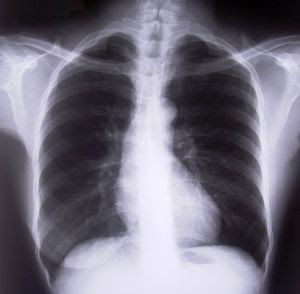
Lung cancer has the unwanted title of being England’s biggest cancer killer, claiming around 28,000 lives each year from approximately 33,800 people that are diagnosed with the deadly disease.
The campaign will be primarily targeted at those over the age of 50 as they are the group who are most vulnerable and at risk. Almost a fifth (19%) of over-50s admit they have not previously been to see their doctor when suffering with a persistent cough as they assumed it would go away by itself eventually and not anything serious.
The campaign will involve TV advertisements showing real-life doctors, in addition to print and radio lasting until the middle of August. In several shopping centres there will also be face-to-face events taking place.
One important message from the new campaign is: If you are suffering from a cough that is still prominent after three weeks then go to see your doctor immediately and no not simply disregard your symptoms.
Health chiefs want to make more people aware of this because of the fact that each year around 24,000 people across England are diagnosed with lung cancer when the disease has progressed to a late stage. Unfortunately, only 15% of cases are caught at an early enough stage whereby treatment is likely to prove successful.
Reasons behind the failure in getting help at an early stage for treatment may be linked to a widespread lack of knowledge about lung cancer and the early signs and symptoms of it. In fact, the latest figures – extracted from an omnibus survey conducted with a representative sample of 1,045 adults aged 16 and above in England between 7 and 10 June 2013 by TNS England BMRB – show that nearly three-quarters (73%) of people do not realise that lung cancer is England’s biggest cancer killer. Moreover, 40% of people are unaware a cough lasting three weeks or more could be a sign of lung cancer.
However, there are other symptoms to be aware of in regards to lung cancer, such as:
. Coughing up blood.
. A long-standing cough that gradually gets worse.
. Persistent breathlessness.
. Persistent chest infections such as bronchitis or pneumonia.
. Inexplicable weight loss.
. Aching/pain in your chest and/or shoulder area.
Although smoking causes an estimated 85% – 90% of all lung cancer cases, non-smokers can still develop the disease so if you do not smoke and still show signs of the above symptoms, do not assume you cannot possibly have lung cancer as you don’t smoke. Although the fact remains that smokers are still 15 times more likely to die from the disease compared to those who have never smoked.
Health Secretary Jeremy Hunt spoke about the importance of spotting lung cancer as early as possible, saying: “More people die from lung cancer than any other cancer in England, but many people don’t know the signs and symptoms that could save their lives. The message from this campaign is clear – if you have a persistent cough, go and see your doctor. The earlier lung cancer is diagnosed, the more likely that treatment will be successful. I am committed to improving cancer survival rates and have set out an ambition to save an extra 5,000 lives every year by 2014 – getting people diagnosed early is one part of our drive to have the best cancer services in the world.”
Sean Duffy, national clinical director for cancer at NHS England, added: “Awareness campaigns like this are especially important in getting people with potential symptoms into doctors’ surgeries. During the regional pilot, trusts within the campaign area saw a 14% increase in lung cancer cases diagnosed compared with a year earlier, whereas there was only a 4.7% increase in trusts outside the pilot area. However, more needs to be done for our survival rates to be as good as the best in Europe. If they were, it is estimated that around 1,300 deaths could be avoided each year.”
Thursday, 28 March 2013
Scientific breakthrough in determining early cancer risk

The saliva test would find those who are genetically susceptible to the cancers and lead to thousands of lives saved each year with high-risk patients being monitored and even undergo treatment early enough to stop a cancerous tumour from even beginning to develop.
The research into early cancer prevention was conducted by scientists at the University of Cambridge and the Institute of Cancer Research (ICR) in London and funded by Cancer Research UK (CRUK) and the Wellcome Trust.
Researchers studied the DNA extracted from approximately 200,000 people; of which half were suffering from cancer and half were healthy. The massive project spanned four years of thorough genetic analysis by 1,000 scientists and they described their findings as the ‘single biggest leap forward’ in relation to the genetic causes of prostate cancer.
Each person is born with three billion pieces of code comprised of chemical letters: A, C, T and G; known as the ‘genome’ and is passed to us from our parents. A single nucleotide polymorphism is a single letter variation in DNA between people and we can have millions of these variations. Because cancer patients were compared with healthy individuals, scientists were able to see the genetic spelling mistakes that were prominent in the cancer group.
They discovered more than 80 genetic markers which are linked to the risk of somebody developing cancers. There were 49 for breast cancer, 23 for prostate cancer and 11 for ovarian cancer. Unfortunately, scientists were unable to ascertain around 60% of the genetic risk factors for the cancer types they focused, however their findings can still help increase knowledge of the inherited causes of the condition.
Interestingly, for the prostate cancer patients, 18 of the 23 variants were attributed to the most aggressive forms of the disease.
The next step for scientists is to create simple blood or saliva tests that can accurately obtain the future risk breast and prostate cancers. These samples would probably have to be sent off for a lab analysis but the hope is to have results available immediately at the doctors’ surgery.
New medicine for difficult-to-treat cancers could also be produced in addition to a new ovarian cancer test. It is thought that even bowel and lung cancers risks may be found with similar methods.
Dr Harpal Kumar, chief executive of Cancer Research UK, said: “It can help us identify exactly what is driving different types of cancer, which could enable us to develop new therapeutic approaches.”
He added: “By understanding why some people seem to be at greater risk of developing cancer we can look towards an era where we can take steps to reduce their chances of getting cancer or pick up the disease at its earliest stages. The principle is broad and the potential gains are huge.”
Professor Ros Eeles, from the Institute of Cancer Research, also commented: “These results are the single biggest leap forward in finding the genetic causes of prostate cancer yet made. The work could have a big impact on the number of people dying from the disease, which is still far too high.”
Friday, 25 January 2013
Risk of death for female smokers has soared over the years

This is because many are starting to light-up much younger and smoking more cigarettes than their ancestors did. Another finding to emerge from the study may not be surprising when you consider the thousands of harmful chemicals in a single cigarette but on average, smokers (of either gender) are dying at least a decade earlier than non-smokers.
Researchers in the studies wanted to determine if smoking was still as lethal as it was during 1980s as cigarettes now contain less tar, many smokers have quit, and treatments for many smoking-related diseases have improved.
Part of the analysis comprised of a study led by Dr. Michael Thun of the American Cancer Society, who used seven population surveys to track the number of smoking related fatalities between three time periods: 1956 – 1965, 1982 – 1988 and 2000 – 2010. In total, 2.2 million men and women were assessed, just a small fraction however of the 1.3 billion estimated smokers around the globe.
During the 1960s it was established that smoking increased a woman’s chances of succumbing to lung cancer by 2.7 times. However, by 2000 to 2010, the risk had now skyrocketed 25-fold. It was determined that both current smokers of either sex today were almost equally more at risk than non-smokers of developing conditions such as COPD, heart disease, lung cancer and strokes, the research showed.
Chronic obstructive pulmonary disease (COPD) is similar in certain characteristics to asthma and therefore can be treated with the use of Ventolin Evohaler with symptoms including chronic cough, tightness in the chest, and excessive phlegm. Like asthma, it is often an underestimated condition and not taken seriously enough as a life-threatening health problem. However this study showed that the risk of dying increased four times greater than it was for people who had never smoked in the 1960s, to 22.5 times.
Dr. Thun implies that an explanation for the rise in risk of dying from lung cancer among women smokers between 1960 and 2000 could be linked to tobacco manufacturers releasing milder ‘light’ products solely aimed at the female market. For example it was in the 1960s when tobacco giant Philip Morris introduced its Virginia Slims brand – the very first cigarette marketed just at women.
He says: “The steep increase in risk among female smokers has continued for decades after the serious health risks from smoking were well established, and despite the fact that women predominantly smoked cigarette brands marketed as lower in tar and nicotine. So not only did the use of cigarette brands marketed as ‘light’ and ‘mild’ fail to prevent a large increase in risk in women, it also may have exacerbated the increase in deaths from chronic obstructive lung disease in male smokers, since the diluted smoke from these cigarettes is inhaled more deeply into the lungs of smokers to maintain the accustomed absorption of nicotine.”
In the U.S. there are over 35 million smokers — about 20% of men and 18% of women. It was during the 1980s though when women began smoking in their masses – two decades later than when large smoking rates were witnessed for males. Smoking rates were particularly high during the ’60s, when around 1 in 3 adult women smoked.
Dr. Thun says that the data in his study shows that women who smoke have the same risk for death as men. “When women smoke like men, they die like men”, Thun explained.
Within the same journal were the findings of a study led by Dr. Prabhat Jha of the Center for Global Health Research in Toronto, who looked at data contained on 217,000 Americans over the age of 25 who had responded to federal health surveys between 1997 and 2004. It was observed that around 16,000 of these people had died many years later.
Dr. Jha and colleagues found that:
. Those who stopped smoking in their mid-30s to mid-40s managed to extend their lifespan by nine years. Those who quit from their mid-40s to mid-50s gained six years. Those quitting later than this period this but prior to age 65, gain about four years.
. Smokers aged 25 to 79 were around three times more likely to die as non-smoking counterparts in the same age group.
. Those who had never smoked are twice as more likely to reach the age of 80 than smokers.
Over one hundred thousand people in the UK die each year due to smoking. Smoking-related deaths are mainly due to cancers, COPD (chronic obstructive pulmonary disease) and heart disease.
Smoking is a worldwide issue and not just one in the U.S. Cutting down on the number of cigarettes each day will only go so far to improving health, the best solution is to completely stop altogether. As these studies have highlighted, smoking increases the risk of developing a number of diseases which may not always be fatal, but can result in many years of unpleasant symptoms.
Quit smoking today with the help of the smoking cessation medication Champix. The Doctors at Medical Specialists can help you do this. Complete the simple 4 step online questionnaire, and if the online consultation is approved by one of our Doctors, they will write a prescription that will be dispensed by our in-house pharmacy team.
Friday, 28 September 2012
New blood test could provide early diagnosis of cancer

Scientists claimed to have developed a simple blood test, which can accurately detect the early stages of breast and lung cancer in just an hour. Researchers from the Kansas State University developed the test that can detect cancer, even before symptoms like coughing and weight loss start.
The test works by detecting increased enzyme activity in the body. Iron nanoparticles coated with amino acids and a dye, are introduced to small amounts of blood or urine from a patient. The amino acids and dye interact with enzymes in the patient’s urine or blood sample. Each type of cancer produces a specific enzyme pattern, or signature, that can be identified by doctors.
The test was developed by chemistry professor Stefan Bossmann and anatomy professor Deryl Troyer. Professor Troyer said, “Right now the people who could benefit the most are those classified as at risk for cancer, such as heavy smokers and people who have a family history of cancer. The idea is these at risk groups could go to their physician’s office quarterly or once a year, take an easy to do, non invasive test, and be told early on whether cancer has possibly developed.”
The fact that this test specifically tests for lung cancer and breast cancer, is of significant importance. The American Cancer Society estimates about 40,000 breast cancer deaths and 160,000 lung cancer deaths are expected in the United States for 2012. Also as these statistics from Cancer Research UK show below, lung and breast cancer are the two most commonly diagnosed cancers worldwide.
The 10 Most Commonly Diagnosed Cancers Worldwide:
- Lung – (13%)
- Breast – (11%)
- Colorectum – (10%)
- Stomach – (8%)
- Prostrate – (7%)
- Liver – (6%)
- Cervix – (4%)
- Oesophagus – (4%)
- Bladder – (3%)
- Non Hodgkin Lymphoma – (3%)
Unfortunately breast and lung cancer also feature in the top 5, for most common causes of death from cancer worldwide. With the exception of breast cancer, most types of cancer can be categorized in 4 stages based on tumour growth and the spread of cancer cells throughout the body. The diagnosis is made in most situations in stage 2 or 3, when the survival rate is lower than stage 1 or 2. In addition, Bossmann said, “that very few people manage to discover they have cancer in early stages.”
Breast and lung cancer are typically found and diagnosed in stage 2, the stage when people often begin exhibiting symptoms such as pain, fatigue and coughing. Numerous studies show that the earlier cancer is detected, the greater chance a person has against the disease. “The problem, though, is that nobody knows they’re in stage 1. There is often not a red flag to warn that something is wrong. Meanwhile, the person is losing critical time,” said Professor Bossmann.
Researchers evaluated the test’s accuracy on 32 separate participants in various stages of breast or lung cancer. Data was collected from 20 people with breast cancer, ranging in age from 36 to 81 years old and 12 people with lung cancer, ranging in age from 27 to 63 years old.
Twelve people without cancer were also tested as a control group. This group ranged in age from 26 to 62 years old. A blood sample from each participant was tested three times. Analysis of the data showed a 95 percent success rate in detecting cancer in participants.
Bossmann said, “These enzyme patterns can also help distinguish between cancer and an infection or other diseases, which commonly occur in the human body. For example, a person who smokes a lot of cigars may develop an inflammation in their lungs. That will drive up some of the markers in the test but not all of them. Doctors will be able to see whether there was too much smoke inhalation or if there is something more serious going on. False positives are something that we really want to avoid.”
In addition to early detection, the test can be used to monitor cancer and observe the effectiveness of drugs, as a patient is being treated. Similarly, doctors can use the dye in the test to determine if the entirety of a tumour has been successfully removed from a patient after surgery. The researchers have designed a second testing method that is anticipated to produce the same results in about five minutes. Also, researchers want to develop a similar test to detect pancreatic cancer earlier.
Wednesday, 26 September 2012
Cancer fatalities should drop as fewer people smoke
However, maybe we should turn that frown upside down after all! With the ‘Stoptober’ campaign set to get underway next Monday, Cancer Research UK have released a whole set of estimations for the same year (2030), and they predict that the rates of many different types of cancer are set to decrease by this point. The positive statistics are also for the charities’ ‘Stand Up To Cancer’, a fundraising partnership between Cancer Research UK and Channel 4. The campaign’s finale will be live TV entertainment show to be broadcast on Friday October 19.
They say that more efficient diagnosis for cancers and treatment will result in a reduction in cancer death rates by up to 17% by 2030. Smoking is the cause of many cancers such as throat, lung, mouth, etc., and this harmful lifestyle choice was obviously the basis of their research. A main reason for the predicted 17% drop is because there are now less people smoking than previous years, which could be down to certain adverts depicting images of blackened lungs after the damaging long-term effects of smoking.
In 2010 it was calculated that for every 100,000 of the general population in the UK, 170 people died from cancer. By 2030 this figure is estimated to have dropped by then to 142 for every 100,000. Breast cancer death rates are predicted to decrease by 28%, bowel cancer should drop by 23% and prostate cancer by 16%. However the largest decrease appears to be ovarian cancer, which is forecast to nosedive by an impressive 42.6%.
Interestingly, some cancers could increase by mortality rates. Liver cancer appears to look to be the worst, with death rates expected to rise by 39%. That means there is an incidence increase from 4.2 to 5.9 per 100,000 people. Next is oral cancer, which may rise by 22%. This is an incidence rise from 2.9 to 3.5 per 100,000 people.
Professor Peter Sasieni, Cancer Research UK epidemiologist at Queen Mary, University of London, spoke on the forecasts for 2030 and said, “Our latest estimations show that for many cancers, adjusting for age, death rates are set to fall dramatically in the coming decades. And what’s really encouraging is that the biggest cancer killers, lung, breast, bowel, and prostate, are part of this falling trend. Because old age is the biggest risk factor for cancer and more people are living longer, they have a greater chance of developing and, unfortunately, dying from the disease. But overall the proportion, or rate, of those who die from cancer is falling.”
Adding to Professor Sasieni’s comments was Dr Harpal Kumar, Cancer Research UK’s chief executive, who said, “These new figures are encouraging and highlight the huge progress we’re making. Research across many areas is having real impact. But we know there’s still so much more to do if we are to reach a day when no one dies prematurely from cancer. We continue to rely on the publics’ generosity to drive progress. This helps us turn discoveries made in our science labs into new treatments and to carry out clinical trials to find the best ways to treat patients. There are more exciting opportunities now to make a step-change than at any other time in history and we must grasp these.”
Wednesday, 19 September 2012
Britain’s raising cancer risk by not reporting symptoms to GP
Let’s face it, none of us like paying a visit to the doctors, especially if it involves discussing something of an embarrassing nature. However, it has now been found in a survey commissioned by Cancer ResearchUKand carried out by YouGov, that a worrying proportion of Brits put their health at risk by putting off visiting their GP.
The online survey of more than 2,000 adults was part of the ‘Spot Cancer Early’ campaign and it was designed to encourage people to see their GP, sooner rather than later if they notice any unusual or any persistent changes to their body. The campaign also aims to increase awareness of the huge improvements in cancer survival rates, since the 1970s. For instance, today in the UK, you are twice as likely to survive cancer than 40 years ago.
Dr Claire Knight, health information manager at Cancer Research UK, said, “We want people to know that you are more likely to survive cancer if it’s found at an early stage. It’s important to get to know your body so you’re familiar with what’s normal for you. If you notice any unusual or persistent changes, it’s really important to take the time to visit your doctor to talk about it.”
“People of all ages who notice a change, that’s persisted for a few weeks, should get it checked out by a doctor. More than likely it won’t be anything to worry about and it’ll be a load off your mind. But if it is something serious, spotting it early can make a real difference, because treatment is often simpler and more likely to be effective. A quick visit to your doctor could save your life.”
These statistics from the YouGov survey show the reasons why we wouldn’t report any unusual or persistent change to our bodies:
- Not wanting to waste the doctor’s time 19%
- Thinking that it will go away in its own time 32%
- Being worried about what the doctor might find 20%
- Not having time to visit the GP 14%
- The hassle of getting an appointment with the GP 24%
- Being embarrassed about the change to my body 14%
- None of these 29%
- Don’t know 2%
And these further statistics from the survey demonstrate our attitude towards any changes in our body and where on our list of priorities they would come, by asking the people surveyed, which one of these they would act on soonest:
- A broken washing machine 3%
- A lost/ stolen bank card 61%
- An unusual or persistent change to my body 12%
- Weeds in the garden 1%
- An unwell pet 17%
- A broken mobile phone 2%
- A leaky tap 1%
- None of these 1%
- Don’t know 2%
Cancer is most common in the over 50s, however people of all ages are also at risk, a fact that reinforces the importance of heading to the doctors in the event of spotting anything suspicious. By diagnosing cancer when it is in its infancy, it can, for the most part, be easier to treat, which in turn increases the chances of recovering.
Ann, 77 from Merseyside, was diagnosed with lung cancer in 2003. She said, “I was diagnosed after my GP referred me for an X-ray following an appointment. I had an operation and now, more than eight years on, I am living a very full and active life doing all the things I enjoy. Catching cancer early is so important. I think if anyone has any signs or symptoms they should see their doctor right away.”
Dr Knight was keen for people to note that any changes in a person’s body, aren’t necessarily synonymous with cancer. In most cases, it probably won’t be all that serious. What is important is for people to get it checked. So in conclusion it is much better to make a wasted trip to the doctor and have peace of mind, rather than allow a treatable cancer develop into full blown cancer, where treatment can no longer help.
Subscribe to:
Posts (Atom)