Cancer is one of the biggest killers in the world, afflicting more
than one in three people during their lifetime. Each year a staggering
14.1 million cancer cases are diagnosed around the world, and this is
predicted to rise to 24 million by 2035.
However, plenty of evidence exists to show that a patient’s treatment
options and chance of recovery is far greater if the cancer is spotted
at an early stage. For instance, a person’s chance of surviving from
bowel cancer for an additional five years is 90% higher if the cancer is
diagnosed early enough, but this rate drops to just 6% at the most
advanced stage, and death is likely. A similar pattern holds true for
numerous other types of cancer too.
This is where the Department of Health’s
Be Clear on Cancer campaign is vital as the initiative looks to increase
the UK public’s awareness of the signs and symptoms of cancer, in
addition to urging people with symptoms to see their doctor at the
earliest possible chance to boost the chance of catching cancer early to
make a full recovery.
Be Clear on Cancer has been formulated to primarily target the
over-50s from lower socio-economic groups, as it is believed this
demographic typically delay in seeing the doctor about persistent
symptoms. The campaign has focused on a number of things so far,
including: bowel cancer, breast cancer, lung cancer, blood in the urine
(a key symptom of bladder and kidney cancer), oesophago-gastric and
ovarian cancers. There is also a breast cancer campaign aimed
specifically at women over the age of 70 and a cancer symptoms campaign
called ‘Know 4 sure’.
As highlighted previously, it is imperative to get yourself checked
out for diagnosis at the earliest chance, to boost your survival chance.
Therefore, it is important to see your doctor as soon as possible if
you notice any inexplicable changes to your body. Cancer symptoms can
vary depending on where the body they appear, and symptoms that may be
similar to cancer usually turn out to be something less serious.
However, if you notice anything unusual, it is still vital to make an
appointment to see your doctor.
Most doctors and other health experts generally agree on a number of
crucial symptoms to be aware of with regards to cancer. These include:
. A change in your regular bowel habits (i.e. diarrhoea or constipation for no obvious reason, or blood in your stools).
. A cough lasting more than three weeks.
. A mouth or tongue ulcer lasting more than three weeks.
. Blood in your urine.
. Breathlessness.
. Changes in the shape, size or colour of a mole.
. Coughing up blood.
. Inexplicable weight loss or heavy night sweats.
. Regular problems with swallowing and indigestion.
. The appearance of a lump or swelling on your body.
Many people are still unsure why they have developed cancer, and the
answer is there are a multitude of factors that can increase your risk.
Age is the main risk and unfortunately something we cannot control. Age
is a risk factor as cell’s that become cancerous usually take many years
to develop.
Moreover, there has to be a number of genetic mutations
within a cell for it to become cancerous. Some people are born with one
mutation already and although it is not a certainty the person will get
cancer, they are statistically more likely to at some point during their
lifetime.
Other cancer risks we can control however. For example, smoking is
the single biggest cause of lung cancer, responsible for over 8 out of
10 cases (86%) as well as being linked to some cases of lung cancer in
non-smokers, due to second-hand smoking (passive smoking). A long-term
heavy alcohol intake and prolonged exposure to sunlight are also risks
for cancer.
Though evidence is open to debate, it is thought that a diet high in
processed meats and red meat can, with insufficient fruit and
vegetables, heighten your risk of cancers such as bowel, breast and
prostate cancer.
Obesity is yet another high risk, being linked to cancers of the
breast, colon and rectum, endometrium (the lining of the uterus),
gallbladder, kidney, oesophagus, pancreas, thyroid and maybe even other
types of cancer.
Therefore, Medical Specialists™ Pharmacy urge you to be aware of the
common symptoms of cancer and do not hesitate to see a GP if you spot
any signs of cancer. You are not wasting anyone’s time and you will be
able to stop worrying if it is nothing serious. If your doctor believes
you might have cancer you will be referred to a specialist, usually
within two weeks. Further tests will then be carried out – such as an
X-ray or biopsy – and suitable treatment options will be discussed with
you.

Medical Specialist® are a registered UK pharmacy established in 1994 providing prescription & non prescription medication online since 2001.
Showing posts with label be clear on cancer. Show all posts
Showing posts with label be clear on cancer. Show all posts
Monday, 2 June 2014

Tuesday, 15 October 2013
Be Clear on Cancer initiative hopes to fight spiralling kidney cancer cases
Today will see a new public health campaign launched across the UK in
an effort to raise awareness about kidney cancer after health officials
have found the number of diagnoses in England to have soared by almost a
third in the last 10 years.
West Bromwich Albion midfielder Youssouf Mulumbu and referee Dave Nixon took part in a photoshoot at the Hawthorns to promote Be Clear on Cancer initiative, and were later joined by fans and even mascot Baggie the Bird to show the new heat-sensitive urinals at the stadium.
When used, they will display the words: “If you notice blood in your pee, even if it’s just once, tell your doctor.” The posters will hopefully be effective at alerting fans who could be at risk of bladder and kidney cancers.
Following away fixtures at Stoke City and Liverpool, West Bromwich Albion will play at home against struggling Crystal Palace on November 2 – the first game where the heat-reactive posters will be utilised.
The Be Clear on Cancer campaign primarily looks to increase awareness of the signs and symptoms of cancer and urging anyone with symptoms to visit their doctor immediately, before it is too late.
The campaign will be advertised on TV, radio, and in print and until November 20, in the hope that thousands of lives can be saved each year.
In fact, according to Cancer Research UK, an estimated 16,600 people in England are diagnosed with bladder and kidney cancers each year, resulting in 7,500 deaths. The number of deaths from kidney cancer alone has risen by 7% in the last 10 years.
Sean Duffy, national clinical director for cancer at NHS England, said: “Over the last ten years we have seen the incidence rate of kidney cancer increase by 31%, which is a substantial climb and largely down to unhealthy lifestyles. Although survival rates have been improving, this rise in cases has led to an increase in the number of deaths from the disease. As an increasing number of people are affected by kidney cancer, it’s important that the public are aware of the early signs to look out for, such as blood in pee. Only then will we see an increase in early diagnosis rates and a further positive impact on England’s survival rate.”
Singer Peter Andre, tragically lost his brother Andrew, 54, to kidney cancer last year, and is throwing his full support behind the drive to increase cancer awareness. He said: “I can’t urge you enough, if you spot blood in your pee, even if it’s just the once, visit your GP as soon as possible.”
Unfortunately, in the majority of cases, there are no symptoms in the early stages of kidney cancer. Mid-to advanced-stage kidney cancer is when symptoms are usually evident such as the aforementioned blood in your urine, and you may also suffer with a constant pain underneath your ribs and have a lump in your abdomen (stomach).
Visit your GP if you notice blood in your urine. It may not be kidney cancer you have – usually determined via an ultrasound scan – but the blood in your urine may be the result of a less serious condition such as kidney stone or bladder stone and these still require treatment.
The exact cause(s) of kidney cancer are still unknown, but the main risk factors for developing the disease are through smoking, obesity and a family history.
West Bromwich Albion midfielder Youssouf Mulumbu and referee Dave Nixon took part in a photoshoot at the Hawthorns to promote Be Clear on Cancer initiative, and were later joined by fans and even mascot Baggie the Bird to show the new heat-sensitive urinals at the stadium.
When used, they will display the words: “If you notice blood in your pee, even if it’s just once, tell your doctor.” The posters will hopefully be effective at alerting fans who could be at risk of bladder and kidney cancers.
Following away fixtures at Stoke City and Liverpool, West Bromwich Albion will play at home against struggling Crystal Palace on November 2 – the first game where the heat-reactive posters will be utilised.
The Be Clear on Cancer campaign primarily looks to increase awareness of the signs and symptoms of cancer and urging anyone with symptoms to visit their doctor immediately, before it is too late.
The campaign will be advertised on TV, radio, and in print and until November 20, in the hope that thousands of lives can be saved each year.
In fact, according to Cancer Research UK, an estimated 16,600 people in England are diagnosed with bladder and kidney cancers each year, resulting in 7,500 deaths. The number of deaths from kidney cancer alone has risen by 7% in the last 10 years.
Sean Duffy, national clinical director for cancer at NHS England, said: “Over the last ten years we have seen the incidence rate of kidney cancer increase by 31%, which is a substantial climb and largely down to unhealthy lifestyles. Although survival rates have been improving, this rise in cases has led to an increase in the number of deaths from the disease. As an increasing number of people are affected by kidney cancer, it’s important that the public are aware of the early signs to look out for, such as blood in pee. Only then will we see an increase in early diagnosis rates and a further positive impact on England’s survival rate.”
Singer Peter Andre, tragically lost his brother Andrew, 54, to kidney cancer last year, and is throwing his full support behind the drive to increase cancer awareness. He said: “I can’t urge you enough, if you spot blood in your pee, even if it’s just the once, visit your GP as soon as possible.”
Unfortunately, in the majority of cases, there are no symptoms in the early stages of kidney cancer. Mid-to advanced-stage kidney cancer is when symptoms are usually evident such as the aforementioned blood in your urine, and you may also suffer with a constant pain underneath your ribs and have a lump in your abdomen (stomach).
Visit your GP if you notice blood in your urine. It may not be kidney cancer you have – usually determined via an ultrasound scan – but the blood in your urine may be the result of a less serious condition such as kidney stone or bladder stone and these still require treatment.
The exact cause(s) of kidney cancer are still unknown, but the main risk factors for developing the disease are through smoking, obesity and a family history.
Wednesday, 3 July 2013
New lung cancer campaign warns not to ignore a persistent cough
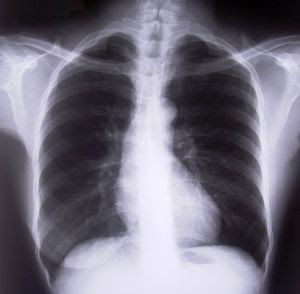
Lung cancer has the unwanted title of being England’s biggest cancer killer, claiming around 28,000 lives each year from approximately 33,800 people that are diagnosed with the deadly disease.
The campaign will be primarily targeted at those over the age of 50 as they are the group who are most vulnerable and at risk. Almost a fifth (19%) of over-50s admit they have not previously been to see their doctor when suffering with a persistent cough as they assumed it would go away by itself eventually and not anything serious.
The campaign will involve TV advertisements showing real-life doctors, in addition to print and radio lasting until the middle of August. In several shopping centres there will also be face-to-face events taking place.
One important message from the new campaign is: If you are suffering from a cough that is still prominent after three weeks then go to see your doctor immediately and no not simply disregard your symptoms.
Health chiefs want to make more people aware of this because of the fact that each year around 24,000 people across England are diagnosed with lung cancer when the disease has progressed to a late stage. Unfortunately, only 15% of cases are caught at an early enough stage whereby treatment is likely to prove successful.
Reasons behind the failure in getting help at an early stage for treatment may be linked to a widespread lack of knowledge about lung cancer and the early signs and symptoms of it. In fact, the latest figures – extracted from an omnibus survey conducted with a representative sample of 1,045 adults aged 16 and above in England between 7 and 10 June 2013 by TNS England BMRB – show that nearly three-quarters (73%) of people do not realise that lung cancer is England’s biggest cancer killer. Moreover, 40% of people are unaware a cough lasting three weeks or more could be a sign of lung cancer.
However, there are other symptoms to be aware of in regards to lung cancer, such as:
. Coughing up blood.
. A long-standing cough that gradually gets worse.
. Persistent breathlessness.
. Persistent chest infections such as bronchitis or pneumonia.
. Inexplicable weight loss.
. Aching/pain in your chest and/or shoulder area.
Although smoking causes an estimated 85% – 90% of all lung cancer cases, non-smokers can still develop the disease so if you do not smoke and still show signs of the above symptoms, do not assume you cannot possibly have lung cancer as you don’t smoke. Although the fact remains that smokers are still 15 times more likely to die from the disease compared to those who have never smoked.
Health Secretary Jeremy Hunt spoke about the importance of spotting lung cancer as early as possible, saying: “More people die from lung cancer than any other cancer in England, but many people don’t know the signs and symptoms that could save their lives. The message from this campaign is clear – if you have a persistent cough, go and see your doctor. The earlier lung cancer is diagnosed, the more likely that treatment will be successful. I am committed to improving cancer survival rates and have set out an ambition to save an extra 5,000 lives every year by 2014 – getting people diagnosed early is one part of our drive to have the best cancer services in the world.”
Sean Duffy, national clinical director for cancer at NHS England, added: “Awareness campaigns like this are especially important in getting people with potential symptoms into doctors’ surgeries. During the regional pilot, trusts within the campaign area saw a 14% increase in lung cancer cases diagnosed compared with a year earlier, whereas there was only a 4.7% increase in trusts outside the pilot area. However, more needs to be done for our survival rates to be as good as the best in Europe. If they were, it is estimated that around 1,300 deaths could be avoided each year.”
Subscribe to:
Posts (Atom)