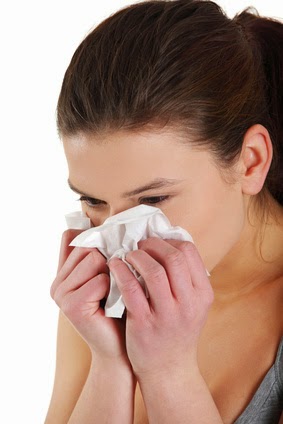
However, there are practical steps and self-help measures you can take during the winter to stay warm, reduce your risk of developing illness, and sufficiently equip your body to deal with an ailment should you unfortunately become unwell.
Flu
One of the most common winter illnesses, and one not to be confused with a cold. Colds usually start gradually with a runny or stuffy nose and sore throat. Flu symptoms begin much suddenly and it is more serious than a cold.
For many of us, flu is not life-threatening and a full recovery can usually be made after a week. However, flu can prove deadly for vulnerable people and lead to complications such as bronchitis and pneumonia.
These vulnerable, high-risk groups of people are entitled to a free flu jab on the NHS to protect themselves developing flu and serious complications from it. Those eligible for the jab include the over-65s, pregnant women, if you have a medical condition such as diabetes or asthma (your GP will advise you), are a healthcare or social care worker with direct patient contact, or reside in either a long-stay residential care home or other long-stay care facility. There may be other situations where you are entitled to the flu jab, with your GP or practice nurse being able to offer more information.
You can take preventative steps though to try and protect yourself and those around you by: coughing or sneezing into a tissue, disposing of used tissues immediately and washing hands straight away. You should also rest, drink plenty of fluids, and eat healthily (a low-fat, high-fibre diet is generally advised).
Flu FAQ
I am pregnant, do I need a flu jab this year?
Yes. The flu vaccine can be safely administered at any stage of pregnancy following conception to protect both you and your unborn baby. It will help to protect against serious complications in the latter stages of pregnancy, such as pneumonia, and will even offer protection for the baby in the first few months of their life after birth. The vaccine also means there is a lesser risk of premature birth or the baby having a low birth weight.
I am pregnant but I think I have flu. What should I do?
See your doctor as soon as flu symptoms first appear as there is prescription medicine that can be taken to reduce the chance of complications arising, but the treatment needs to be taken soon after the initial symptoms start to show.
I have already had flu. Do I need the vaccine?
Yes. You will not know which virus caused your flu and the vaccine is essential to protect you against other flu viruses after yours has passed.
I received a flu vaccination last year. Do I need one this year?
Yes. The vaccine will offer protection against different strains than the previous years. Even if you were vaccinated last year, it is strongly advised you receive another this year. Health experts identify the flu viruses way in advance that are most likely to be predominant and appropriate vaccines are made.
Which flu viruses will the 2013/14 vaccine protect against?
. H1N1 – the strain of flu responsible for the 2009 swine flu pandemic.
. H3N2 – a strain of flu prominent in birds and mammals that was notoriously active in 2011.
. B/Massachusetts/2 – a strain of flu that was active in 2012.
Why is flu dangerous for older and chronically ill people?
Those over 65 and/or suffering with a chronic illness will have difficulty fighting influenza as their body’s system for getting rid of infection has usually become much weaker. Older people who have flu are at risk of pneumonia, bronchitis, and even death.
Who should not have the flu vaccine?
There are not many people who should avoid the flu vaccine. If you have had a serious allergic reaction to a previous jab then it is generally advised to avoid having another. Because some flu jabs are created using eggs, people with an allergy to eggs may be at risk of experiencing a reaction with that type of vaccine. Therefore, it is best to check with your doctor who may be able to provide a flu vaccine with low egg content if an egg-free version isn’t available. If you have a fever, you should wait until you have fully recovered before considering the flu vaccine.
What is the flu nasal spray vaccination?
The NHS childhood vaccination programme means that all children aged 2 to 3 years of age are eligible to receive an annual flu nasal spray vaccine. As the initiative rolls out, all children between the ages of 2 and 16 will be vaccinated against flu with the nasal spray. It is administered as a single dose of spray in each nostril and has the major advantage of there being no needles involved and also less side effects.
What is Tamiflu and do I need it?
Tamiflu is a prescription only antiviral medicine for the treatment or prevention of various types of influenza such as swine flu. Tamiflu belongs to a group of medicines named ‘neuraminidase inhibitors’. These medicines prevent the influenza virus from spreading inside the body and so help to ease or prevent the symptoms arising from the influenza virus infection. A doctor will determine if you need Tamiflu and prescribe it as necessary.
Asthma
The 5.4 million people in the UK need to take extra care and precautions during the winter months as cold air and flu viruses are major triggers for asthma symptoms, which include: a shortness of breath, wheezing (accompanied by a whistling sound), chest tightness/pain/pressure, coughing (especially at night or early in the morning).
Before stepping outside on cold, dry days, always make sure to take your usual dose of reliever inhaler (normally a blue inhaler) and keep this inhaler on you at all times. Wrap up well and ideally you should wear a scarf that covers your nose and mouth. Doing this will help to warm up the air before you breathe it in. Exercise is another trigger for asthma attacks and you need to be cautious of exercising during the winter. Warm up for 10–15 minutes prior to exercise and take one or two puffs of your blue reliever inhaler before you begin.
Christmas asthma triggers should also be taken into account and precautions need to be taken to avoid them where best possible. Pets, Christmas trees and Christmas decorations can cause havoc if you have asthma or other allergies.
Norovirus
The virus may also be more commonly known as the winter vomiting bug. As the name suggests, it is particularly rife during the winter months, but can be caught at any time during the year. In recent years norovirus has made headlines after spreading rapidly amongst the passengers on cruise ships and it is quite often spread within schools and hotels. The first symptom is suddenly feeling nauseous, followed by forceful vomiting and diarrhoea. Sufferers may also experience stomach cramps, aching limbs, frequent headaches, and a high temperature (over 38C/100.4F).
The virus is difficult to try and deal with, but should pass after a few days. If you are vomiting and have diarrhoea, you must drink plenty of fluid to prevent dehydration, with this being more dangerous with the very young and elderly.
Each year approximately 600,000 to 1 million people in the UK become ill with the norovirus, but there are things you can do to prevent getting the virus or try to prevent it spreading. For example, avoid sharing towels and flannels, wash your hands thoroughly with soap and water after using the toilet as well as prior to preparing meals, use a bleach-based household cleaner to disinfect any surfaces or areas that may be contaminated and wash all clothing and bedding at risk separately from other items.